
The following is an op-ed I wrote which ran in The Post on February 13th 2026.
We need cross-party consensus for good long-term political decision-making, especially when it comes to major infrastructure. Right now, this isn’t happening. Worse: political parties may agree about the wrong things, seriously undermining our future at huge cost.
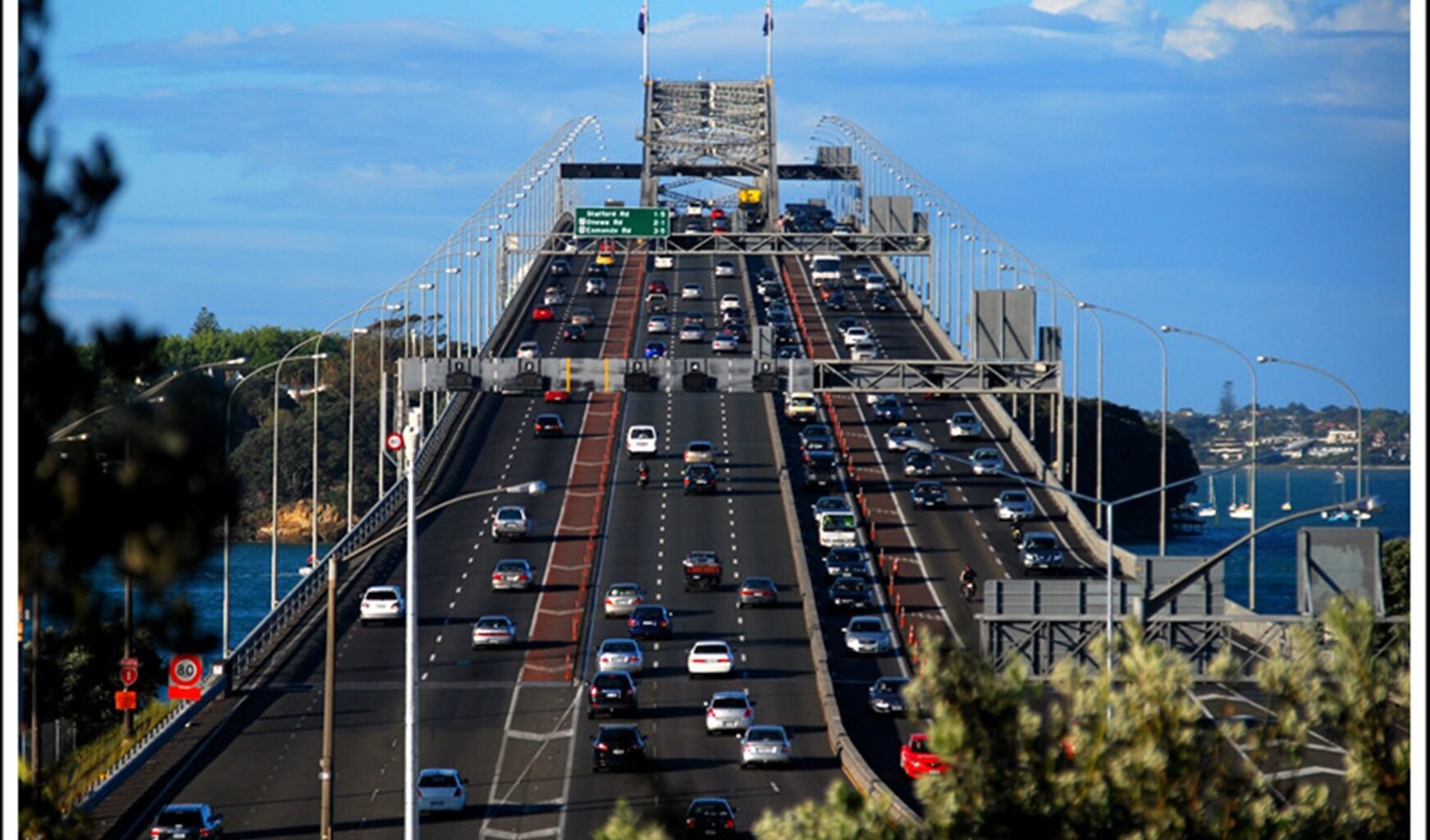
Take the Auckland Harbour Crossing.
Currently, the New Zealand Transport Agency (NZTA) and the government seem to be converging on the idea of a tunnel, primarily for cars, with no dedicated access for public transport, walking or cycling.
Even if buildable, it would be wildly unaffordable. In 2016, the estimate for a tunnel crossing was $4 billion, and more recent figures suggest it’s now over $20 billion.
First: how is this even being seriously entertained?
Secondly: why is it so shrouded in secrecy? Hundreds of millions of our dollars (so far) have been shovelled towards various plans and designs, mostly to consultancies, with no public input.
Thirdly: after decades of work under many governments… has there been any progress?
You may wonder who’s accountable for this? Politicians?
NZTA is in charge of the Harbour Crossing work. In principle, it’s statutorily independent from politicians, with a funding source separate from general taxes. Nominally, it’s the chief decision-maker and delivery agency for transport projects.
But in practice, it is far from independent, due to a sticky combination of bureaucratic bias, pressure from politicians, and lobbying from the roading sector.
NZTA’s origins in the National Roads Board – set up to build state highways to make it easier to drive across the country – mean that significant parts of the modern organisation still don’t understand the kind of transport cities and towns need.
Thanks to this internal legacy, NZTA consistently underestimates demand for public transport, walking, and cycling, and prioritises urban roads instead.
Politicians of all stripes continue to pressure so-called ‘independent’ agencies to deliver campaign promises, using policy processes and funding mechanisms. Occasionally, this helps get vital non-road infrastructure over the line, as with the City Rail Link, tenaciously championed by former Mayor Len Brown.
More often, status-quo bias prevails. After the 2023 election, then-Minister of Transport Simeon Brown wrote to NZTA outlining his opposition to including new walking, cycling, or rapid transit connections in the Harbour Crossing. These, of course, are the very things we are currently lacking.
It’s worrying that, in spite of its purported independence, NZTA seems to have avidly acquiesced to this cars-only diktat. And worrying, too, that it’s broadly refusing to release any information justifying the public value of this narrow approach.
Meanwhile, the political pendulum swings a wrecking ball at the public service, reducing in-house capability and capacity. This leaves public agencies reliant on consultants to manage design and delivery of major projects.
Unsurprisingly, consultants and engineering firms often recommend the most ambitious (and most expensive) solution to any given problem. Cue scope creep and cost blowouts, as seems to be happening with Auckland’s Harbour Crossing.
What to do? It’s probably impossible to create a truly independent agency, completely free from political influence, industry lobbying, or internal bias. But for better outcomes, we need processes that are clear, transparent, and reliable.
Otherwise we’re stuck constantly pouring our money towards experts who beaver away in secret on projects deemed politically sensitive, only revealing their near-complete shovel-ready designs at the very last minute, to public dismay.
Luckily, there’s a promising way forward. An independent commission that researches and ranks all large-scale, long-term projects – with the results then presented to a citizen’s assembly for consideration.
This would reduce undue influence by both politicians and commercial enterprises.
It would also refocus the experts – and our precious public investment – on maintaining transparency, clarifying what’s at stake, and regaining trust.
Sounds too good to be true? Auckland has a recent, live example of this more transparent and democratic approach.
To help solve the challenge of how the city will source its water in the future, Watercare partnered with Koi Tū: The Centre for Informed Futures at the University of Auckland.
They convened a “citizens’ assembly”: a group of Aucklanders selected to represent the city’s demographics, who spent two months in 2022 carefully considering many options, ultimately recommending directly recycling water.
Deputy Director of Koi Tū, Dr Anne Bardsley, said this inclusive approach helps with better decision-making on “complex issues where we face numerous trade-offs and uncertainties, and where the decisions have long-term consequences on how our future might play out.”
The next Harbour Crossing is another major decision, fraught with trade-offs and uncertainties, and the long-term consequences will echo for decades. As we’ve seen recently, our current assumptions about resilience need rapid updating.
So let’s choose the better way forward. Yes, we need sincere cross-party commitment from the politicians we elect to guide us – but we also need decisions based on honest and open discussion about what we actually need, with a greater voice for the people.
Greater Auckland’s work is made possible by generous donations from our readers and fans. We’re now a registered charity, so your donations are tax-deductible. If you’d like to support our work you can join our circle of supporters here.
Share this