
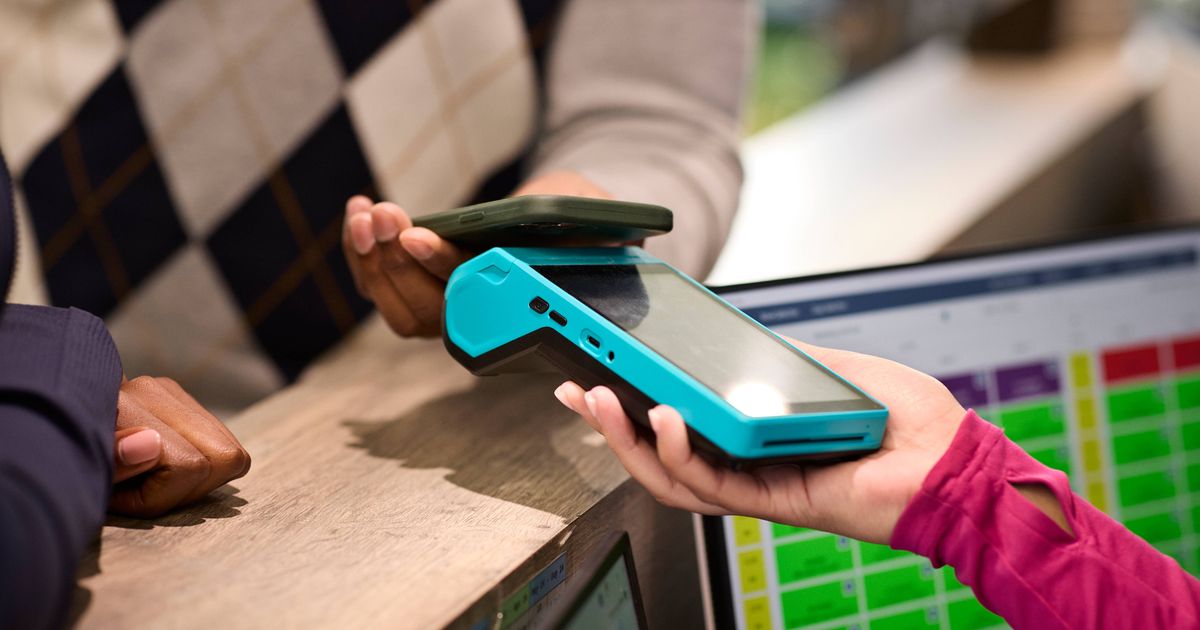
Banks will be able to set higher contactless card limits from March 19, with the FCA removing the £100 cap, though most firms expected to maintain current limits for now
Steven Smith Content Editor
09:36, 23 Feb 2026
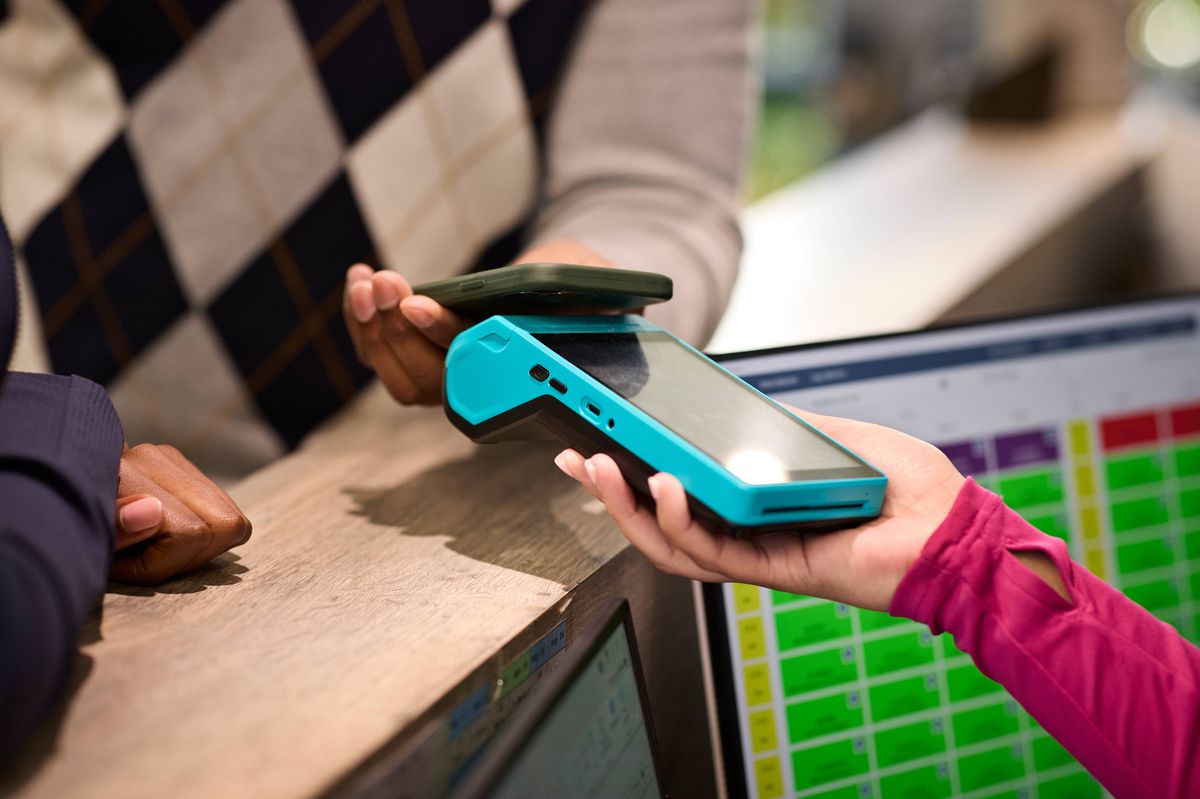
Banks will be able to set higher contactless card limits from March 19(Image: Klaus Vedfelt via Getty Images)
Fewer than half of the banks and building societies reviewed by a ratings platform currently allow account holders to set their own contactless payment threshold. Defaqto carried out the research ahead of regulatory changes taking effect from 19th March, which will enable financial institutions to impose higher contactless transaction ceilings than the current £100 limit, should they choose to do so.
Banks are also being encouraged to give customers the option to establish their own threshold, or switch off contactless functionality altogether, as numerous high street lenders already permit. Defaqto’s examination of both traditional and digital-only banking applications uncovered substantial differences in the financial management tools that account providers presently make available to their clientele.
The study found that merely 13 out of 31 (42%) banks and building societies assessed give customers the ability to determine their own contactless payment ceiling, though 21 (68%) did enable users to suspend contactless transactions.
Katie Brain, banking expert at Defaqto, said: “With the contactless cap being removed, choosing a bank or building society with the right in-app controls could make a real difference to how easily people manage their money. Features like setting your own contactless limit or freezing payments give customers a practical way to put the brakes on spending if they need to.”
The modifications to the contactless rule are being introduced by the Financial Conduct Authority (FCA), with existing protections remaining in place, guaranteeing customers receive refunds in instances of unauthorised fraud, such as when their card goes missing or is taken, reports the Mirror.
UK Finance, the banking and finance industry body, announced in December that whilst it doesn’t anticipate any immediate alteration to the £100 contactless threshold, “any changes made in the future will be done carefully and ensure strong security and fraud controls remain in place”.
The FCA has also previously suggested that, drawing on feedback from the sector, it anticipates most firms will retain the £100 threshold for the time being. The aim of these modifications is to allow firms to better respond to changing consumer needs, inflation, and emerging technology going forward.
Defaqto’s tips for maintaining control of payments.
Monitor upcoming payments: Twelve of the applications reviewed by Defaqto enable users to see forthcoming direct debits and standing orders up to a selected date, helping them in understanding how much money they will have left.
Classify spending: Many applications arrange expenditure into categories, with some even allowing users to establish their own. This makes it easier to pinpoint where money is being spent and where reductions could be made.
Consider establishing a personal contactless threshold: Where this option exists, it can function as a spending control mechanism, requiring pin verification for higher-value transactions and encouraging more deliberate purchasing choices.
Enable notifications: Balance updates and transaction alerts can help individuals stay aware of funds entering and leaving their account, potentially assisting in preventing excessive spending.
Explore limiting specific spending categories: Certain providers allow customers to restrict particular transaction types, such as gambling payments, via their mobile application, telephone service or at a branch location.