

Listen to this article
Estimated 3 minutes
The audio version of this article is generated by AI-based technology. Mispronunciations can occur. We are working with our partners to continually review and improve the results.
A Mi’kmaw organization in Cape Breton is getting help from a federal program to create what’s known as ecological corridors on the Island — interconnected areas of land and water that honour Indigenous stewardship values, allow species to move freely, and support sustainable livelihoods.
The Unama’ki Institute of Natural Resources has received $491,000 from the National Program for Ecological Corridors, an initiative led by Parks Canada, for the work.
“An ecological corridor takes into consideration that species require the freedom to move … unhindered between areas,” said Lisa Young, the institute’s executive director.
“When the land is disconnected by roadways or urban development, it makes it harder for them to transfer between those spaces.”
The institute’s goal is to link natural and culturally significant areas across Unama’ki (Cape Breton) through a “biocultural connectivity plan.” The work doesn’t necessarily mean creating new nature reserves; rather, it could mean rethinking current practices.
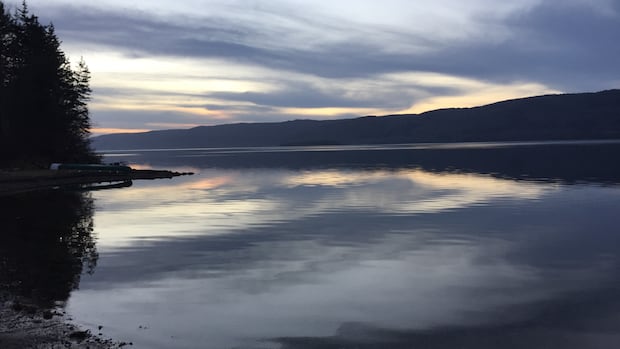
A key area of interest is in creating ecological corridors between the Cape Breton Highlands National Park and the Bras d’Or Lake biosphere region.
“Forestry, for example, could still be done in a way that could still allow for unimpeded movement of certain species,” said Young. “That could be just maintaining a different amount of trees. But it also could just be changing the time of year that you’re operating in that area.
“So there’s a lot of different ways that people can get together and imagine how we utilize that space so that it takes into consideration the needs of other species.”
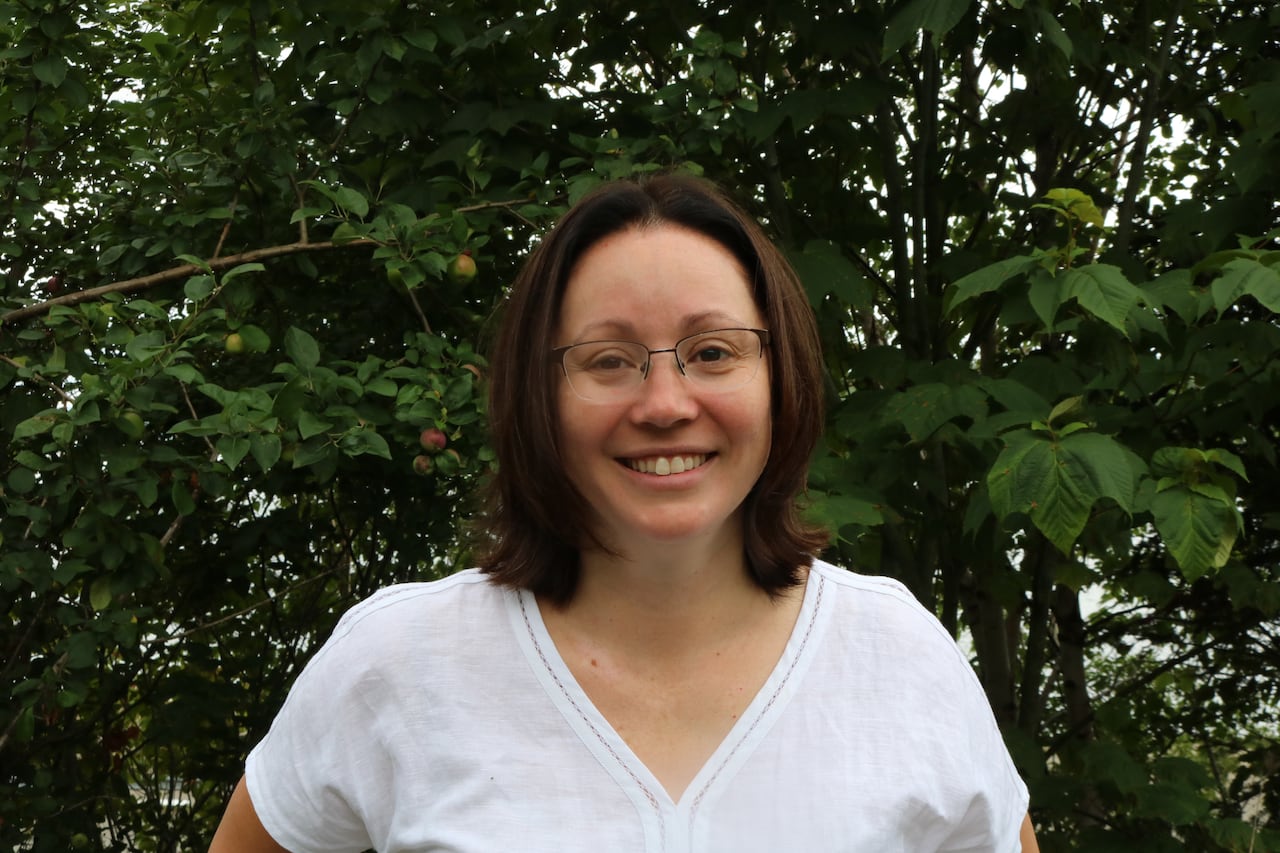 Lisa Young is the executive director of Unama’ki Institute of Natural Resources. (UINR)
The institute has used the funding to host a two-day strategy workshop with Mi’kmaw community members and partner organizations, and to carry out monitoring and mapping work.
The money will not be used to purchase land, but the institute can access funding from other programs to do that, said Young.
“So this work actually helps inform that work,” she said.
To date, the National Program for Ecological Corridors has supported 27 projects across the country led by Indigenous communities, environmental non-governmental organizations and provincial partners, according to a news release.
“Protecting Canada’s rich biodiversity takes teamwork,” said Julie Dabrusin, federal minister of environment, climate change and nature, in the release.
“Partnerships like this one with the Unama’ki Institute of Natural Resources show how collaboration and Mi’kmaw knowledge can guide meaningful conservation.”
The institute represents the interests of the five Mi’kmaw communities across Unama’ki. It is guided by Mi’kmaw concepts including Msit No’kmaq (All My Relations) and Etuaptmumk (Two-Eyed Seeing), combining Indigenous and Western science.
Young said Indigenous communities have “a special connection to the land.” For her, the work is not only about preserving biodiversity.
“Connection to the land preserves our own culture and identity and language,” she said. “It’s extremely important to our communities.”
MORE TOP STORIES