
Comment: The recent disastrous effects of this overheated world and the sure knowledge that more disasters are to come have put me in a dilemma. For years I’ve stood on the street with placards saying fossil fuels cause climate change and that we need to give them up.
And now we need them as never before.
The mind-shattering costs we’ll be incurring for years after these recent storms will eclipse concerns about the price of bread and butter. We can’t do without our existing roads or the damaged infrastructure facilities on which our daily needs depend. But these heavy vehicles and machinery drink oil, petrol and diesel like I do sparkling water on a hot day. Our dependence on them will last for decades, even as we need them to build our solar and wind structures.
I’ve decided to adjust my climate campaign to focus on two issues.
1. The need to reduce greenhouse gas emissions wherever we can and as fast as possible
We can’t reduce emissions without dealing with methane. In its first 20 years above ground its heating effects are 80 times more powerful than carbon dioxide. After which methane reduces to water vapour and carbon dioxide, to linger in the atmosphere … for ever. So it’s a quick fix, if only we’d take it.
In 2019 a report from the Parliamentary Commissioner for the Environment, Simon Upton, recommended we divide our measurement of it according to its two sources.
Biogenic methane describes what comes from our agricultural industry.
Natural gas, which consists primarily of methane and comes out of the ground in Taranaki, is called fossil methane. Unlike our proliferating dairy industry, this source is said to be running out.
Both sources of methane – biological and fossil – are inextricably linked because agriculture depends on artificial fertilisers which are produced using the gas, both as a fuel and as a principal ingredient for ammonia and urea.

Start your day informed. Make room for newsroom’s top stories. Direct to your inbox daily.
Methane from animals continues to receive much debate because of the economic effects of its reduction and the need to radically reduce livestock numbers.
On the other hand our dependence on fossil methane in its various forms is more or less taken for granted. This is because it’s an important source of heat in industry – eg NZ Steel and Methanex. It’s piped along the streets in some of our older suburbs for heating and cooking.
It also fuels Huntly and Stratford, two of our biggest power stations.
As with many emissions-reducing strategies, there are co-benefits to getting out of gas. Recent work by public health scientists points to the air pollution caused by the nitrogen dioxide produced when fossil methane is burned and the subsequent harm, especially in homes.
Then there’s liquified natural gas. Methane is its primary component. Although liquified natural gas burns more cleanly than coal and oil and is described as a “transition fuel”, its production and transport involve serious leakage.
Building a terminal for the importing of liquified natural gas in New Plymouth is the Government’s most egregious climate-denying action. It will not only prolong our dependence on this fuel but lay us open to the vicissitudes of the international market.
Equally egregious is the support this action implies for the world’s most powerful climate-denying state – the US – which is one of the largest exporters of liquified natural gas and the likely source of our proposed imports.
Alternative uses for the estimated $1 billion cost of the terminal have been adequately spelled out elsewhere. I’m concerned that this decision flies in the face of our climate future and our long-term energy security.
We need to listen to our own, home-grown scientists. Professor James Renwick writes in his book Under the Weather (2023):
“As the climate warms and the amount of moisture in the atmosphere increases overall, atmospheric rivers are getting bigger, in terms of the amount of moisture they transport. They are also expected to become wider and more persistent, leading to larger rainfalls over wider areas.”
More storms, more damage, more fossil-fuelled machinery, more misery.
2. With no end in sight to our dependence on fossil fuels, we need to use them as sparingly as possible
We need to find an equitable way to restrict the use of fossil fuels to situations for which there are as yet no renewable alternatives. I don’t mean jet-skis and private helicopters. I mean the fire trucks, rescue helicopters and the heavy machinery for which no renewably powered versions exist.
If your hackles rise at the prospect of regulation, restriction, lack of freedoms, let me remind you that, according to climate scientists, unless we do these things, your grandchildren will be struggling to live on a planet 3C hotter than now. The West Antarctic Ice Sheet will be melting and sea levels will likely be metres higher.
As the price of fossil fuels increases and the spectre of “peak oil” resurges, governments will be increasingly constrained by economics in the choices they make. As will the population in general, with the poor hardest hit, especially for transport.
In World War II, with the need to prioritise basic resources, the UK rationed them.
As fuel prices rise in New Zealand agencies will be increasingly forced to triage and allocate time and resources. How can we ensure that decisions are made equitably?
Climate activist organisations have long campaigned for a “just transition” as they foresee the effects of power in politics and inequitable access to resources.
David Fleming, an English economist and climate writer, proposed a novel solution. He invented a system late last century of what he called Tradable Energy Quotas. These are designed to address peak oil and in effect ration the energy available to citizens and industry.
TEQs (pronounced tex) is an electronic, market-based system whereby one unit or quota represents 1kg of carbon dioxide, or the equivalent in other greenhouse gases.
Every adult receives an equal free entitlement of TEQs each week. Government agencies and industry secure their units in bulk at weekly auctions or buy them when needed. (Compare this with the free allocation of units in our Emissions Trading Scheme to major industries.)
If you use less than your free entitlement you can sell your surplus. If you need more and you have the means, you buy them.
The total number of units available is determined by the national carbon budget. This would be set in Aotearoa by the Climate Change Commission and would decrease each year as we depend less on fossil fuels and more on solar and renewables.
Fleming commented: “Since the national TEQs price would fluctuate according to national demand, it would become transparently in everyone’s interest to help each other to reduce their energy demand – encouraging a national sense of common purpose to keep energy available and affordable.”
No government has had the courage to try it. They believe the Emissions Trading Scheme will do the job.
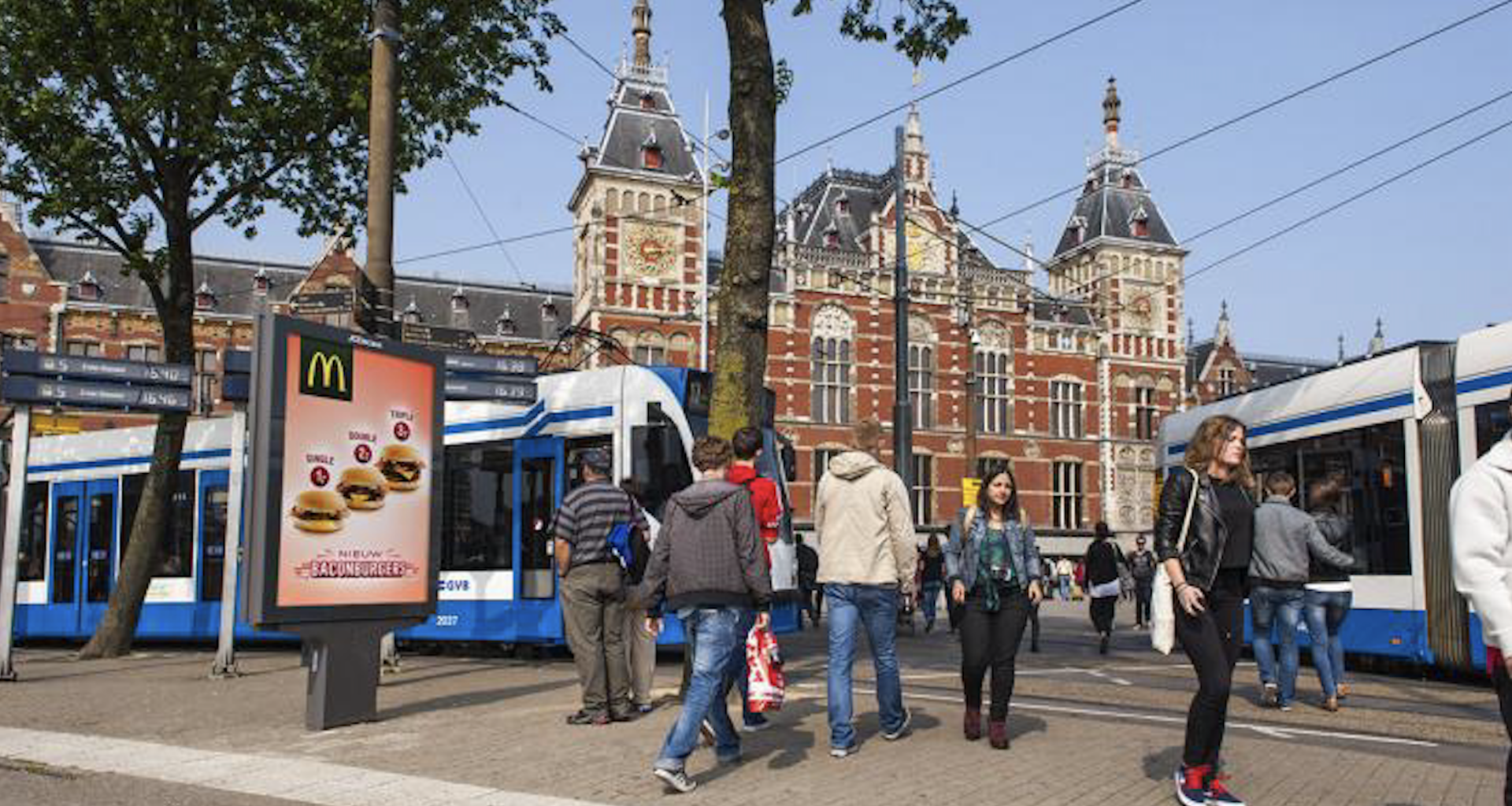
Attitudes are changing, and we have to catch up. Last month Amsterdam approved a bid by the Dutch Green Party and the animal welfare party to ban the advertising of fossil fuels and meat in public spaces and on the public transport network.
The measure will also prohibit advertising of air travel, cruises and petrol-powered cars.
Getting out of gas is one thing. It’s also giving up what we can do without.