
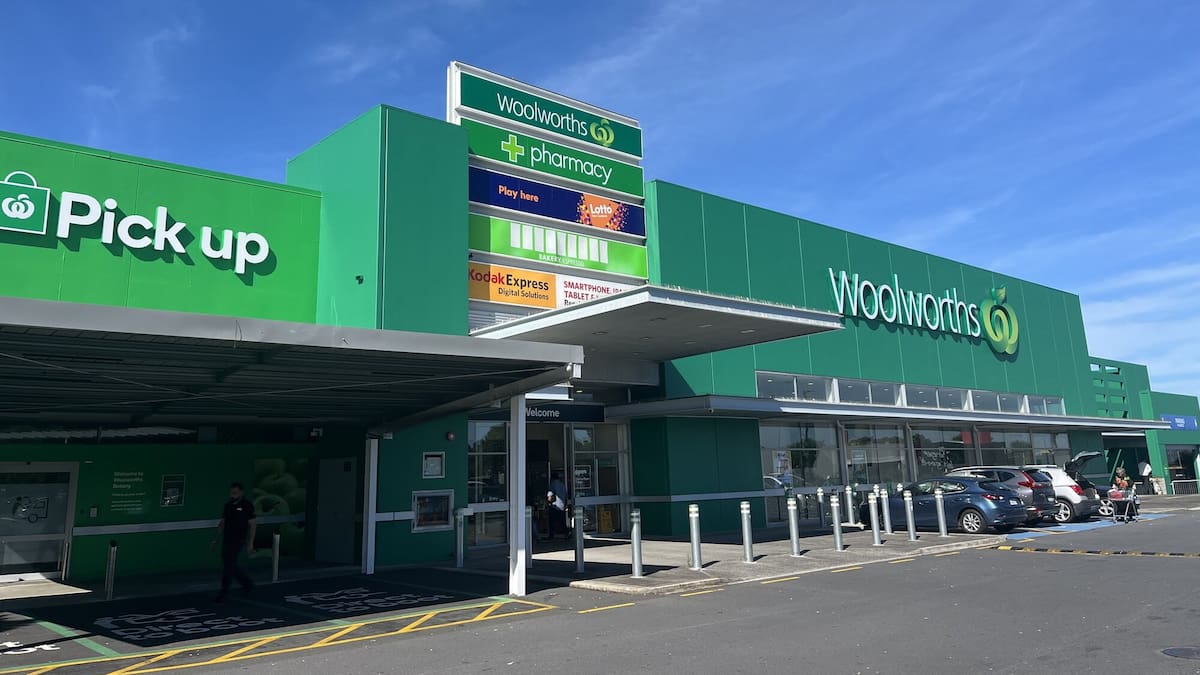
It also cited the benefits of the business’ transformation from Countdown to Woolworths for the improved New Zealand earnings growth.
“However, the economic environment remains challenging, and the market is highly competitive with a moderation in market growth rates over the half,” Woolworths said.
During the period, the group invested A$119m in its New Zealand business, a decrease from the A$141m spent in the prior comparable period.
Earnings before interest, tax, depreciation and amortisation (ebitda) were A$260m, up 6.5% from A$244m.
The company said it expected its New Zealand “transformation” to continue in the second half, and sales for the first seven weeks of H2 had increased by 1.7% on the prior year.
“As part of New Zealand Food’s transformation, a strong productivity focus will continue to enable ongoing improvements to the customer offer and a focus on restoring sales momentum.”
The company noted it was facing legal proceedings in Australia and New Zealand, with the Commerce Commission alleging breaches of the Fair Trading Act 1986 regarding representations of prices paid for grocery products.
Woolworths confirmed in its interim report it was defending these proceedings and no provision was recognised in the financial statements before the outcome.
Overall profit
Woolworths posted an overall net profit (before significant items) of A$859m for the first half, up 16.4% on the same period a year ago, driven by improved sales and earnings across all segments.
Group earnings rose 14.4% to A$1.66b. Stripping out the significant items, including A$485m to remediate underpaid salaried staff, the bottom-line result was A$374m, down nearly 50% on the same period a year ago.
Total group sales increased by 3.4% to A$37.1b.
Meanwhile, Woolworths continues to attract the attention of the competition watchdog.
In January, Woolworths New Zealand received a warning from the Commerce Commission for potential breaches of the Grocery Industry Competition Act.
The warning followed a review of the major supermarkets’ delisting processes to assess whether they were meeting their obligations under the Grocery Supply Code.
“The possibility of products being removed from shelves is a significant weight on suppliers that can reinforce the power imbalance between major supermarkets and smaller suppliers,” Commerce Commission head of groceries Alice Hume said.
Woolworths updated its processes to meet its obligation after the warning, according to the commission.
Stay ahead with the latest market moves, corporate updates, and economic insights by subscribing to our Business newsletter – your essential weekly round-up of all the business news you need.