
But it has had no overnight air traffic control abilities, meaning aircraft unable to land at either of those two cities must fly a long way to land safely.
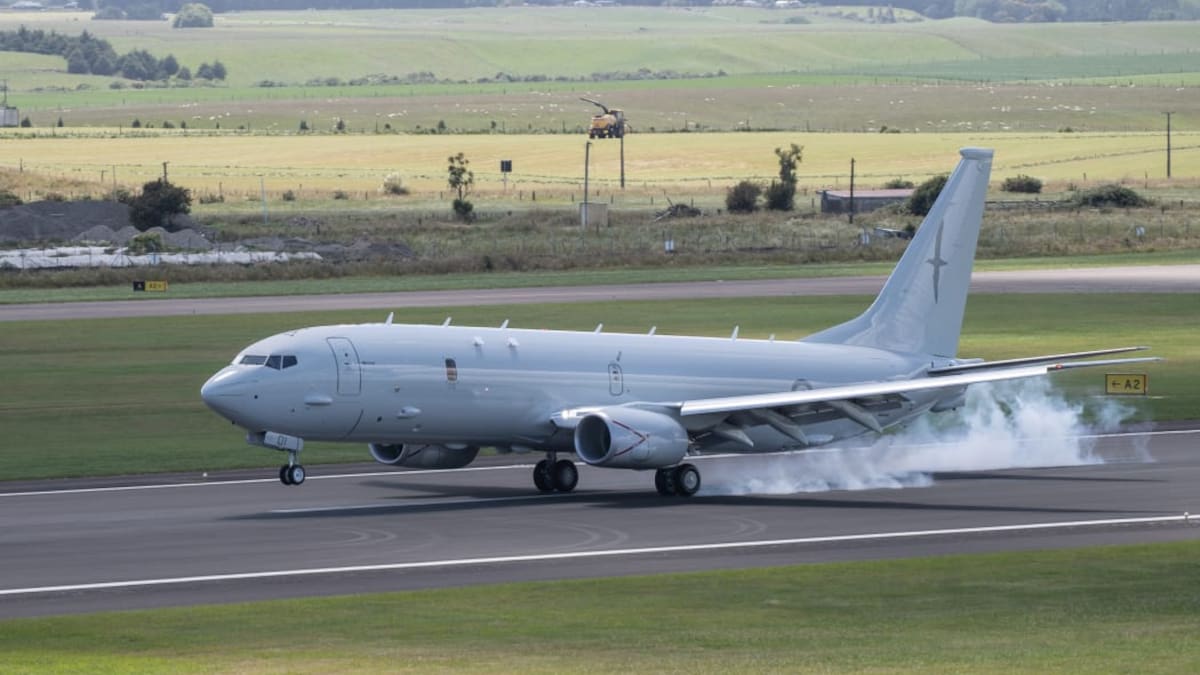
The likes of this P-8A Poseidon landing at RNZAF Base Ōhakea might, in 18 months, have the more frequent company of jumbo jets. Photo / RNZAF, Flight Sergeant Sam Shepherd
“Airlines operating to New Zealand are delighted,” said Cath O’Brien, Board of Airline Representatives (Barnz) executive director.
“Making Ōhakea capable around the clock is something that really will unlock tourism growth … but also operational confidence.”
O’Brien said she was confident Airways NZ, the air traffic control agency, could deliver what was being asked of it.
Ōhakea may rarely or never be needed, but the benefits of knowing it could be used might outweigh the costs of staffing it.
The relevant air traffic control system is not yet available overnight. Photo / Warren Buckland
In September last year, Meager made Ōhakea’s full-time availability as an alternate runway part of the Aviation Action Plan.
The Ministry of Transport, Airways, the Defence Force and MBIE were told to work together on achieving that by December of this year.
Although that deadline may not be reached, O’Brien said the progress announced today was positive.
She said an accident, animals on a runway, remedial work or adverse weather could make Auckland or Christchurch unavailable for widebody aircraft.
And Ōhakea has been available to airlines as an alternate runway only between 5am and 10.30pm.
It was important for the Air Force base to be available at all times, O’Brien told the Herald.
“If an aircraft is planning to take off from Dubai and fly to Auckland, if Christchurch is unavailable … New Zealand is not plannable.”
Ōhakea would be a “gas and go destination”, she said.
“It would just get gassed up and go to the most appropriate place.”
She said even if passenger planes rarely needed the Manawatū runway, that did not mean paying for staff to be there 24/7 was pointless.
“We have air traffic control at many airports around New Zealand, and it’s not necessarily used at every minute of the day.”
O’Brien said even Boeing 747s and Airbus A380s could land at Ōhakea.
And the base had plenty of space for multiple aircraft to park, she said.
“Aircraft can carry less fuel and fly these routes with full passenger and freight loads,” Meager said today.
“This directly benefits our tourism operators, exporters and regional economies and is yet another example of how we are fixing the basics and building the future.”
The Aviation Action Plan said enhancing Ōhakea‘s availability would ensure New Zealand could stay ”open for business” at all times.
John Weekes is a business journalist covering aviation and court. He has previously covered consumer affairs, crime, politics and courts.
Stay ahead with the latest market moves, corporate updates, and economic insights by subscribing to our Business newsletter – your essential weekly round-up of all the business news you need.