
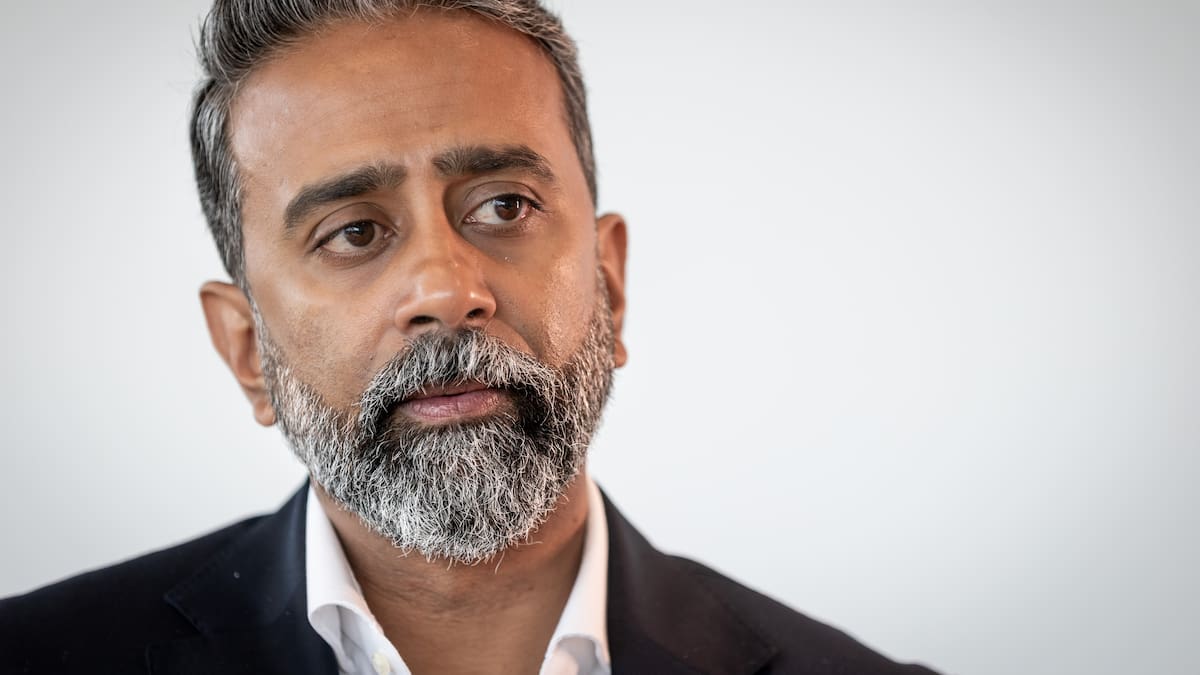
“We need to be fighting fit in a number of different versions of what the future holds and that’s what we’re focused on.”
Ravishankar said it was too early to say if redundancies were likely.
“I’m very encouraged by how the review is going but it’s still a work in progress and when those things get more clear, I’ll come back and share that with you.”
He said one thing that seemed reliable was demand from overseas for New Zealand as a destination.
“We’re very encouraged by the policy settings that we’re seeing from the Government where there’s a huge focus on growing the tourism sector.”
He said many people viewed New Zealand as their favourite destination, or one for their bucket list.
But to get them here required aircraft, and several of Air New Zealand’s have been grounded due to issues with Rolls-Royce and Pratt & Whitney engines.
The airline today said capacity across the international long-haul network was down 3.6%, mainly because of aircraft availability issues.
Even deploying leased widebody aircraft could not offset the impact of grounded planes.
“We’ve had a bit of a breakthrough as far as negotiations with the engine manufacturers are concerned. We should have half of our grounded aircraft now back up and running by the end of the year.”
He said this would make the airline “mission-ready” to play its part in trying to grow the tourism sector.
The airline last year indicated displeasure with Rolls-Royce especially about issues with its Trent 1000 engines for Boeing 787s.
But Ravishankar today said Rolls-Royce seemed to have found a fix for those engines.
“So now it’s a matter of getting our engines through the engine shop and we’re expecting to do that between now and the middle of next year.
“The second thing we’ve managed to negotiate is the deal with Pratt & Whitney which sees us going down from four grounded aircraft to three grounded aircraft from April 1 this year and down to two grounded aircraft from November 1 this year.”
The 787 Dreamliner makes up the majority of Air New Zealand’s widebody fleet.
Airports
Disagreements with airports, especially Auckland Airport, have been simmering over the fees the airline gets charged.
Ravishankar said every day the airline worked hand-in-hand with the airport and had the same goals on many issues.
“We want a frictionless, seamless travel experience for our customers.”
He said aviation in New Zealand was a lifeline service and it was essential for everyone in the sector to tighten their belts to ensure travel was affordable.
“So on that point, we will continue to advocate for that outcome.”
The tensions might broadly be described as airlines saying Auckland Airport is budgeting too much for its major infrastructure projects and the airport saying Air NZ would complain less if it was profitable.
Flight attendants
Talks were still happening between some flight attendants and the airline.
The flight attendants went on strike earlier this month, citing pay as the key reason and saying their salaries were barely $60,000 a year.
Ravishankar said union delegates and Air New Zealand leaders were making progress and mediation was happening this week.
“Even during the strikes, our cabin crew were very committed in providing our customers this very unique and world-class Kiwi service that we’re famous for.”
He said the cabin crew pay package was a combination of the base pay cited, but flight attendants also received allowances and reimbursement of expenses.
“It is not a 9-5 job and so when we are looking at what a fair and reasonable pay package looks like, we’re looking at it holistically … in an environment where the company’s financial performance is under real strain.”
He said he was confident of still ensuring high standards of customer service and getting an outcome that was sensible for everybody.
Samoa fee hike
A potentially rude surprise for the airline emerged recently when Samoa announced airport departure fee hikes from $65 to $180 for all adults and teenagers.
Air New Zealand carries more people to Samoa than any other airline.
“We’re also one of the biggest employers there,” Ravishankar added.
On whether he was disappointed by the Samoa fee hike and if authorities there signalled it to Air NZ, he said the International Air Transport Association (Iata) was working on the issue.
“These conversations are something that take place all the time.”
The fee increase is set to take effect on March 1.
Ōhakea
Air New Zealand’s result was announced a few hours after the Government outlined progress on making Ōhakea available as an alternate runway for the biggest aircraft.
The Air Force base, 22km northwest of Palmerston North, has the country’s third-largest runway after Auckland and Christchurch.
But a lack of overnight air traffic control meant some airlines would not plan to fly to New Zealand, in case one of the two larger airports was rendered unavailable.
The plan to make Ōhakea available full-time depended on air traffic controller Airways NZ recruiting and training staff, for which taxpayers will contribute $4.57m over two years.
“Having that as a secondary option on some of our long-haul and ultra-long-haul flights is actually very good news,” Ravishankar said.
Air NZ first-half 2026 results
Revenue: $3.4 billion, up 1.2%.Net loss before tax: $59m, compared to earnings before tax of $144m previously. Net loss after tax: $40m. Total passenger numbers: Up 2% to 9.64m.Operating costs including fuel: Up 8%.Interim dividend: None.
John Weekes is a business journalist covering aviation and court. He has previously covered consumer affairs, crime, politics and courts.
Stay ahead with the latest market moves, corporate updates, and economic insights by subscribing to our Business newsletter – your essential weekly round-up of all the business news you need.