
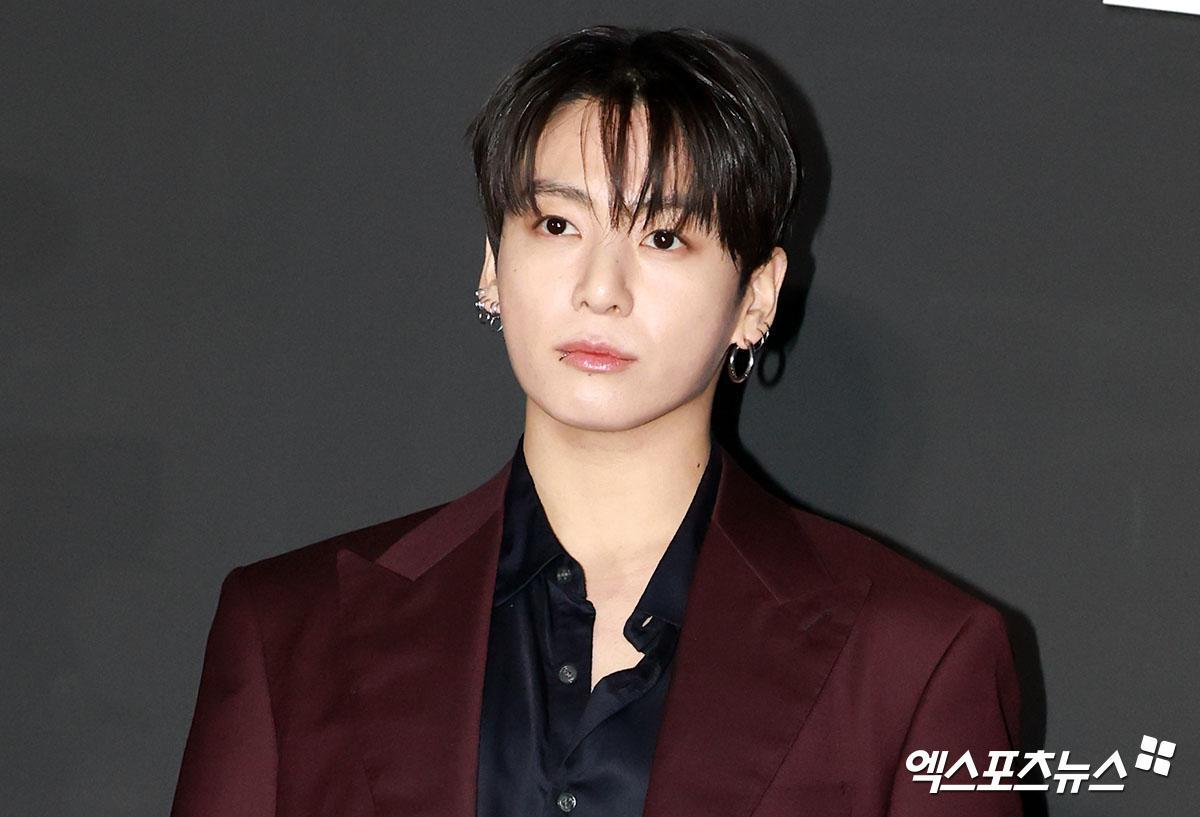
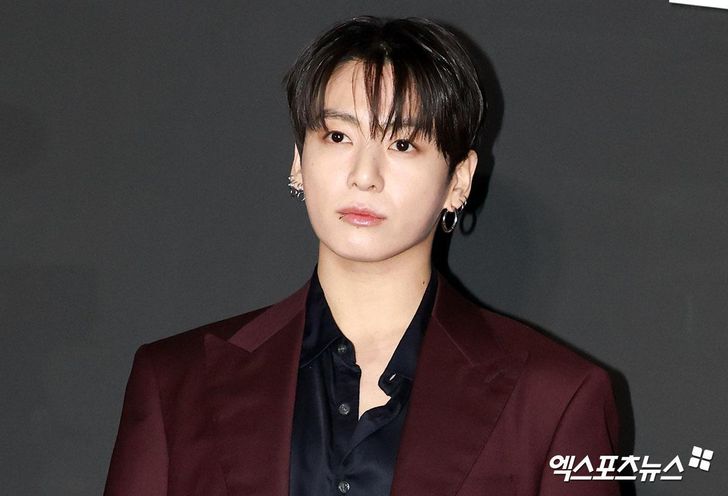
BTS’ Jung Kook / Xportsnews
BTS member Jung Kook has sparked online debate after hosting a late-night drinking livestream in which he spoke candidly about quitting smoking and vented frustration about agency constraints — a rare unscripted moment from one of K-pop’s most tightly managed global stars.
The singer went live at around 3:30 a.m. on Thursday and chatted with fans for roughly 90 minutes. He said he had been drinking with a close friend he currently lives with and his older brother, appearing more relaxed and outspoken than in typical idol broadcasts.
During the stream, Jung Kook revealed he quit smoking. “I used to smoke a lot. But I really worked hard and quit,” he said. He added, “The moment I say this, the company will make a fuss again,” referring to his agency BigHit Music, part of HYBE — the entertainment company behind BTS.
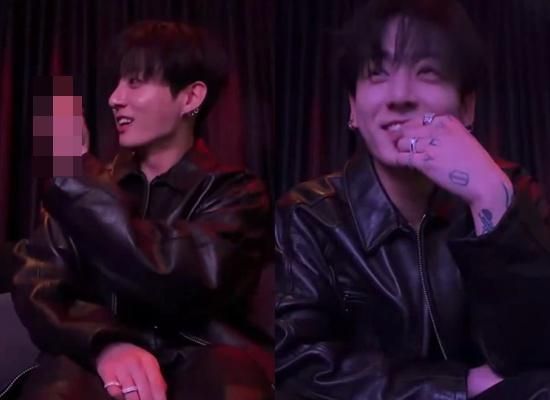
BTS member Jung Kook / Captured from Jung Kook’s livestream
At one point, he openly vented about restrictions he feels as a celebrity. “I don’t even know what I’m talking about. It’s frustrating. I’m annoyed. I’ll live the way I want,” he said.
He continued, “I just want to be happy. I know I can’t. How many people can be honest with the world? I wanted to be honest with ARMY, and if it weren’t for the company, I would have told everything.”
The livestream also drew attention because Jung Kook made a gesture on camera. “I couldn’t even show the middle finger in front of ARMY,” he said.
Some viewers expressed concern about his unusually uninhibited behavior, posting comments urging him to end the broadcast. Jung Kook pushed back, saying, “Why would I end the live? I wish people wouldn’t tell me what to do.”
Clips of the stream quickly spread beyond fan platforms into broader online communities, fueling debate about idol authenticity, mental pressure and agency control in K-pop. HYBE has not issued any statement so far.
The episode has intensified discussion among fans and commentators about the tension between global superstardom and personal freedom in the K-pop system, where artists are often expected to maintain carefully managed public personas.
This article from Xportsnews is adapted by a generative AI system and edited by The Korea Times.