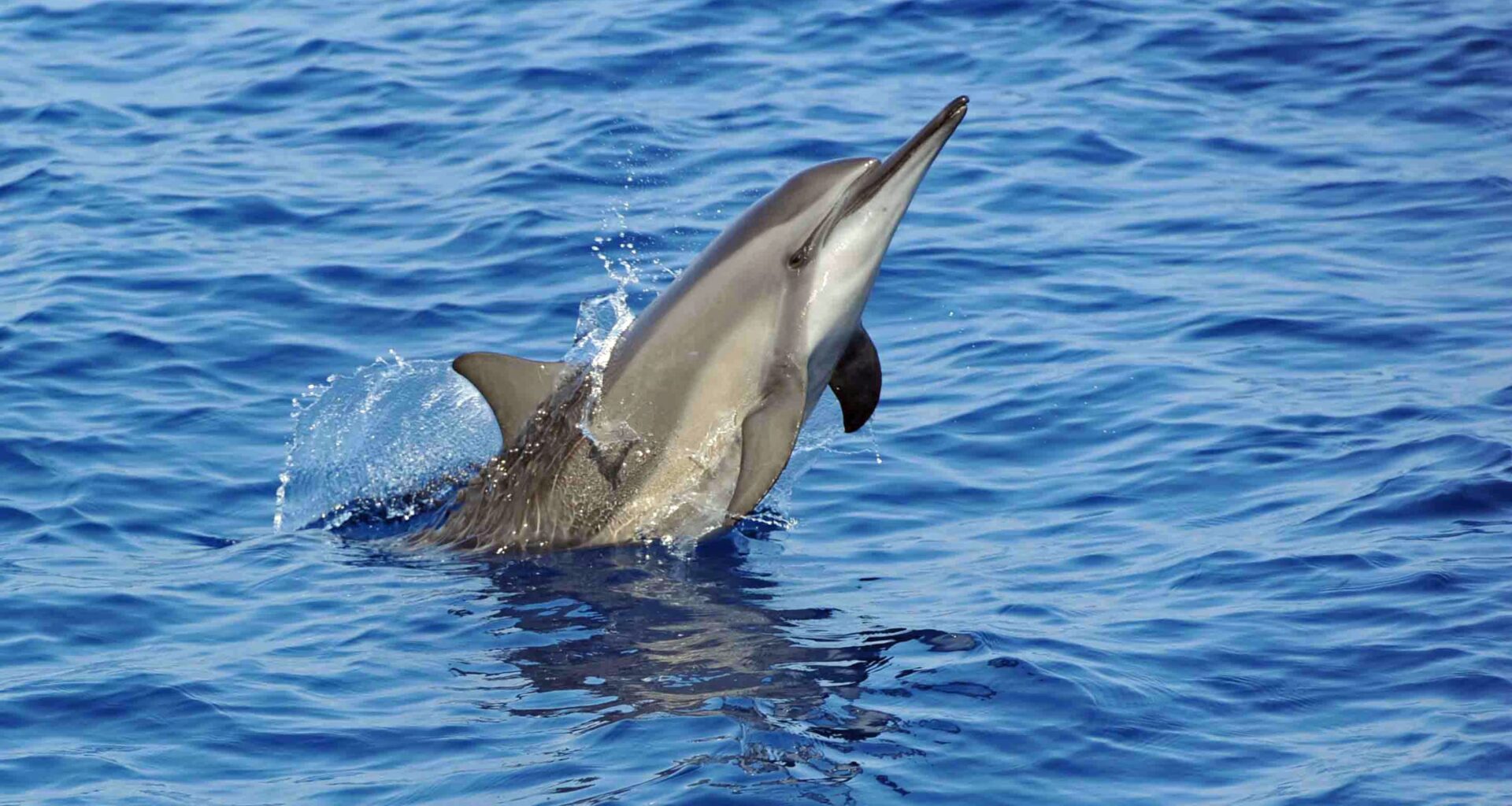
Electrical waste chemicals from television and computer screens are accumulating in the brains and tissues of dolphins and porpoises, according to new research published in Environmental Science & Technology.
Researchers Bo Liang, Yuhe He, and their colleagues analysed tissue samples from Indo-Pacific humpback dolphins and finless porpoises collected between 2007 and 2021 in the South China Sea, an important habitat for these endangered marine animals.
They tested for the presence of liquid crystal monomers (LCMs) in dolphin and porpoise blubber, muscle, liver, kidney, and brain tissue samples.
LCMs control how light passes through handheld and large display screens, producing the increasingly sharp images consumers have grown to expect from their electronic devices.
Prior studies identified similar LCMs in the fish and invertebrates that these dolphins and porpoises eat, which the researchers say supports the idea that the pollutants enter through their diet rather than directly from water.
Finding the presence of these chemicals in the dolphin and porpoises’ brains also demonstrates their ability to cross the blood brain barrier.
E-waste is a fast growing environmental problem, having nearly doubled since 2010. In 2022, a record 62 million tonnes of e-waste was produced – enough waste to fill 1.55 million 40-tonne trucks, which lined up bumper-to-bumper would encircle the equator, according to a report from ITU and UNITAR.