

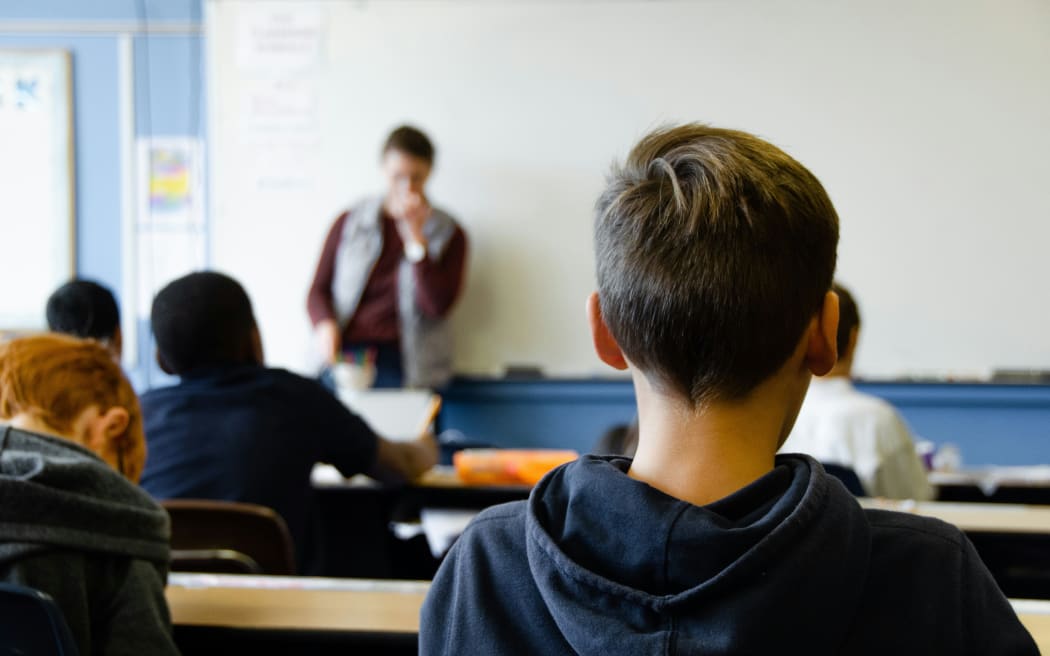
The numbers were based on a “medium” estimate of teacher supply and demand.
Photo: Unsplash/ Taylor Flowe
Education Ministry figures show the shortage of secondary school teachers is much worse than previously forecast.
The ministry today forecast a shortfall of 1220 secondary teachers this year and next, up from last year’s projection of 880.
The forecast showed the shortage was likely to persist into at least 2028 when a shortfall of 190 teachers was likely.
The numbers were based on a “medium” estimate of teacher supply and demand.
They showed this year would be the worst for secondary teacher supply, with a potential shortage of 710 teachers.
“With 491 secondary schools across New Zealand, the medium scenario equates to a shortfall of more than one teacher per school on average,” the ministry’s report said.
The forecast showed primary schools had reached a surplus of teachers sooner than expected.
Their previously-forecast shortage for this year was now expected to be a surplus of 530 teachers with ongoing surpluses in successive years.
However, primary schools in Taranaki, Northland, Waikato and Bay of Plenty were expected to face persistent shortages over the next three years, though they should ease as enrolments declined.
Among secondary schools, parts of Auckland, Hawke’s Bay and Otago faced “persistent and significant shortage as demand outpaces supply”, the ministry’s report said.
It said roll growth and policy changes grew demand for secondary teachers by 1876 teachers between 2024 and 2025, but that would ease to a 37-teacher increase in demand this year.
The report said between 674-1005 secondary teachers were expected to join the workforce in 2026 as a result of Education Ministry recruitment initiatives.
It said some subjects and locations would face continued shortages but growing the number of teachers overall was the top priority.
“Growing the secondary teacher workforce will continue to be a priority – particularly in shortage subjects, before investing in distribution-based initiatives,” the report said.
“Without greater supply at the national level, shortages will occur that distributional initiatives will not effectively be able to address.”
The report said there were more primary school teachers working in schools than any time since 2004.
Sign up for Ngā Pitopito Kōrero, a daily newsletter curated by our editors and delivered straight to your inbox every weekday.