
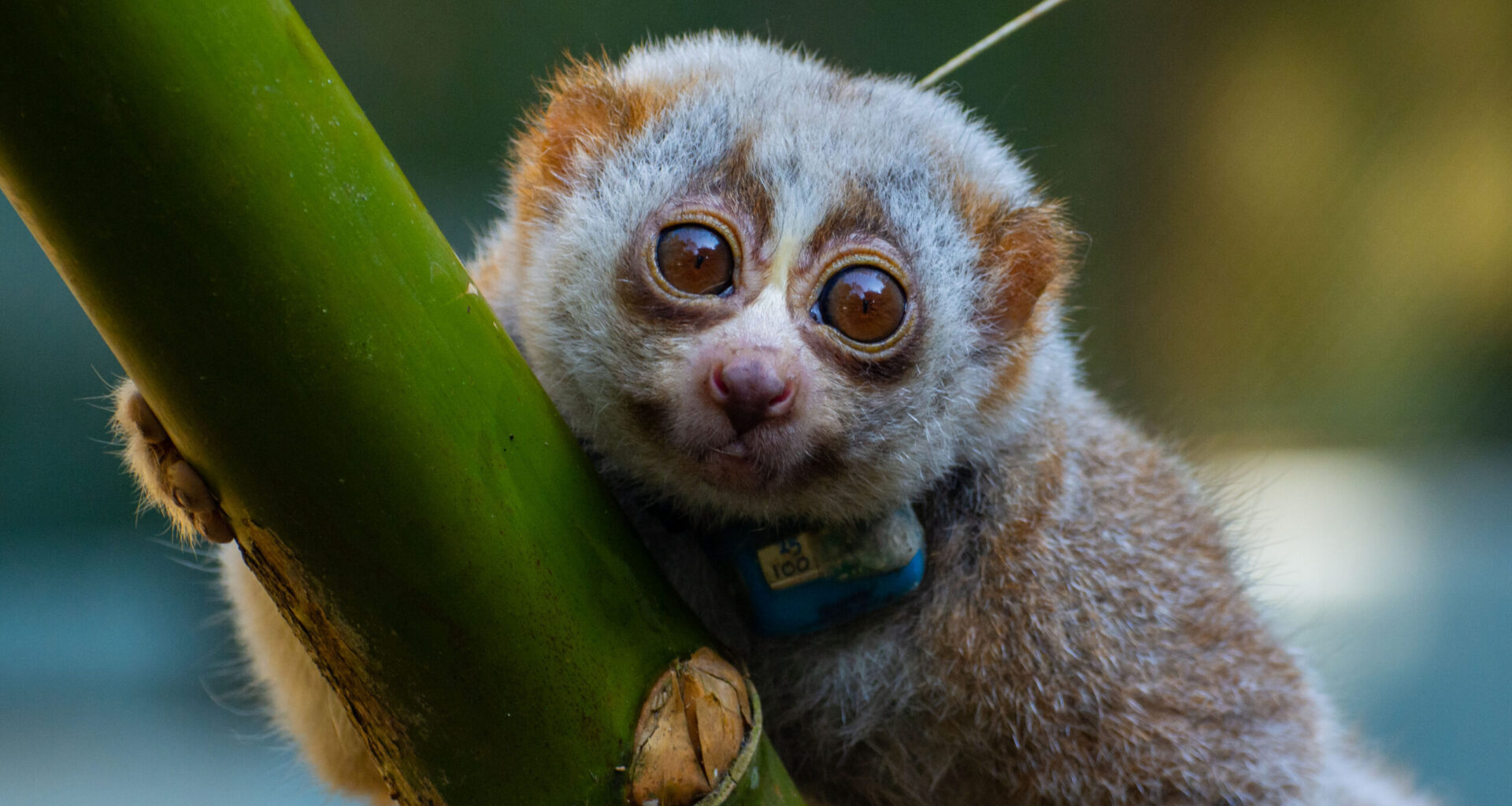
A study in Bangladesh found that seven of nine rescued Bengal slow lorises died within six months of release, showing that rewilding trafficked animals can become a “death trap” if habitat and social conditions aren’t right.Most of the dead lorises bore venomous bite wounds from their wild counterparts, indicating that releasing highly territorial animals into already occupied forests can trigger lethal fights.The two that survived established larger home ranges, while those kept longer in captivity fared worse, underscoring the need for careful site selection, population surveys, and evidence-based release protocols.Experts say that rescue and release only address the symptoms of illegal wildlife trafficking, and that curbing poaching and habitat loss is essential to prevent further harm to both individuals and wild populations.
See All Key Ideas
Wildlife releases are usually joyous events. Uplifting scenes of animals cautiously nosing the air as they take their first tentative steps into freedom warm our hearts. However, new research suggests the wild can be a “death trap,” especially if the released individuals lack the essential skills to find food and integrate with wild populations, or are set free into unsuitable habitat.
The new study, published in Global Ecology and Conservation, follows the fate of nine Bengal slow lorises (Nycticebus bengalensis) released into a forest reserve in Bangladesh. The researchers found only two of the nine survived beyond six months. Several died within days or weeks.
Slow lorises, with their wide eyes and plump bodies, are one of the world’s most trafficked primates. Despite their venomous bite that can prove fatal to people and their nocturnal habits, they’re highly sought after in the pet trade and for use as tourist photo props — a demand fueled by ill-informed social media videos displaying them in domestic settings or captivity.
All nine slow loris species, which range across South and Southeast Asia, are also threatened by deforestation and poachers who kill them for use in traditional medicines. A 2010 study found lorises were the most in-demand animal in traditional medicine stores in Cambodia.
Tragically, these pressures act in synergy. Habitat loss pushes lorises closer to forest edges and humans, who at best mistakenly think them lost and take them into captivity with a view to relocating them to a habitat that’s more “wild.” At worst, poachers take advantage of lorises’ natural defense response — to freeze rather than flee.
“Pickers go around and pick each one off the tree trunks and put them in a crate and they go off to market,” Anna Nekaris, a professor of ecology, conservation and the environment at Anglia Ruskin University in the U.K. and a co-author of the study, told Mongabay. “It’s crazy the large numbers that can turn up in confiscations.”
The IUCN, the global wildlife conservation authority, classifies all nine slow loris species as either critically endangered, endangered or vulnerable to extinction.
Their threatened conservation status, coupled with their popularity on social media and prevalence in the illegal trade and law enforcement confiscations, make slow lorises a popular species for rescue and release projects.
According to the new study from Bangladesh, however, even well-intentioned releases can result in premature deaths. “It’s assumed that returning confiscated or rescued animals to the wild is always a positive conservation story,” Nekaris said. “But for animals such as the Bengal slow loris, this is not always the best course of action.”
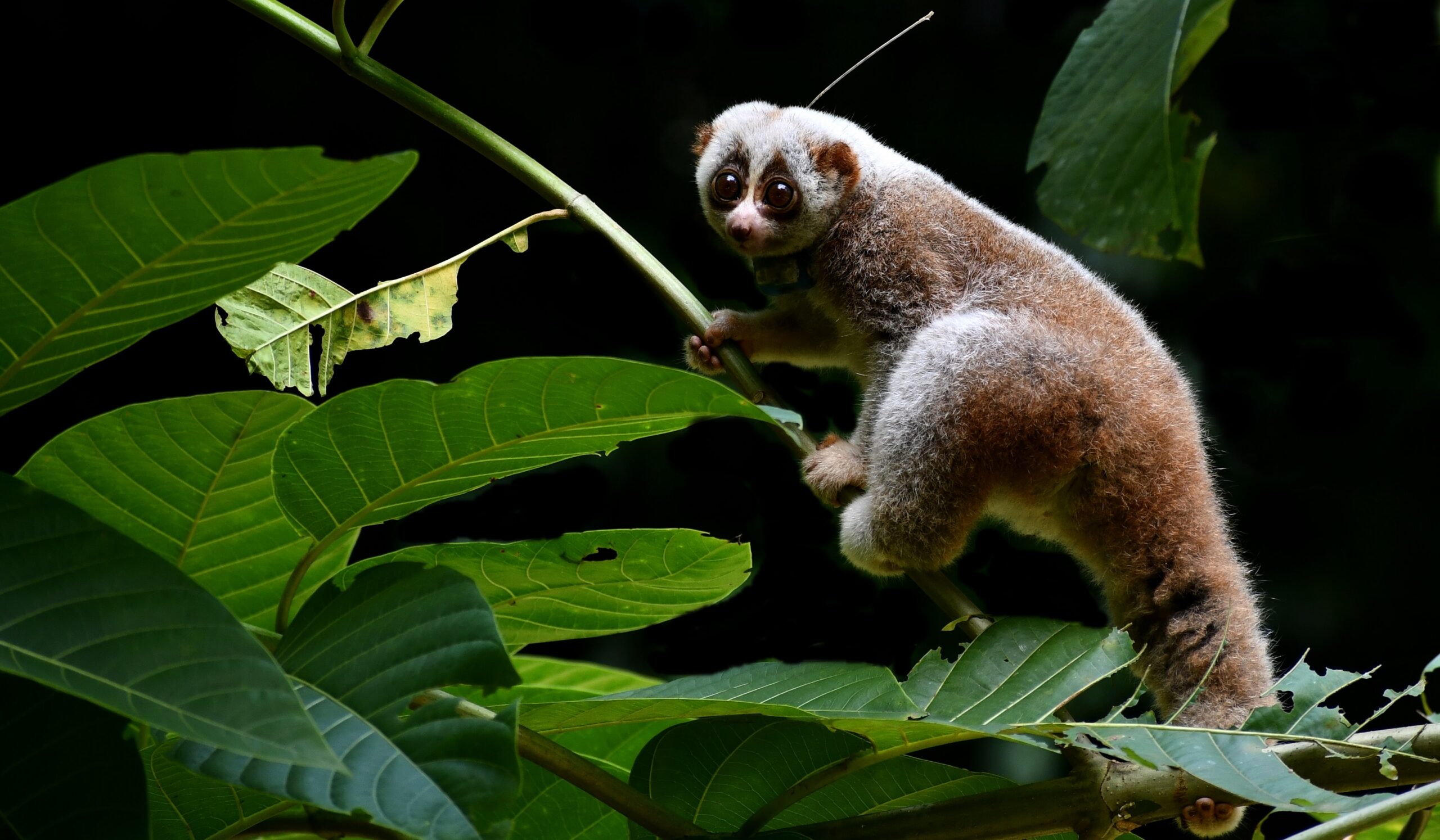 Researchers fitted each of nine Bengal slow lorises with a radio collar to monitor their behavior. Image courtesy of Hassan Al-Razi.
The toll of territorial conflict
The study took place in Lawachara National Park, a subtropical semi-evergreen forest extending across 1,250 hectares (3,090 acres) in northeastern Bangladesh. Although very little old-growth forest remains in the reserve — much of it has been degraded by historical logging — Lawachara is a flagship site for wildlife releases in Bangladesh, with park records showing 14 slow lorises had been liberated into the area during the three years preceding the study.
Between July 2022 and September 2023, the researchers worked alongside wildlife authorities to rewild the nine Bengal slow lorises following the standard loris release protocols used by the Bangladesh Forest Department (BFD). All of them had been confiscated from the trade and rehabilitated at the Jankichara Wildlife Rescue Centre in Lawachara.
With the help of radio transmitters fitted to each loris prior to release, the researchers tracked the lorises for eight months, across a total 138 nights, monitoring their behaviors, such as alertness, aggression, feeding, resting, and movement through the landscape.
Out of the nine lorises released, only two survived. Three died within just 10 days, and another four within six months. The researchers managed to recover the bodies of four of the dead lorises, finding lethal attack marks on their bodies.
Slow lorises are highly territorial and will fiercely defend their grounds, even to the death. As the world’s only venomous primate, they have sharp teeth they use to inject venom. The bite wounds on the heads, face and digits of four loris bodies recovered indicated they’d perished in territorial conflicts, most likely with wild slow lorises already living in the area.
“The fact these animals died of venomous bites shows how aggressive they are as a species,” Nekaris said. It’s yet further evidence of how dangerous and unsuitable they are as pets, she added.
The team also observed that released lorises were more alert and moved more than typical wild Bengal slow lorises. The two individuals that survived established larger home ranges compared to those that died, suggesting their success depended on moving away from the established territories of other slow lorises and avoiding attack. Lorises that had spent longer in captivity prior to release also survived for fewer days in the wild.
“Our research shows that for highly territorial species like slow lorises, releasing them into areas that are already densely populated can be a death trap,” Nekaris said. “Without fully understanding the animal’s behavior, its time spent in captivity and the density of resident populations at the release site, reintroductions may do more harm than good.”
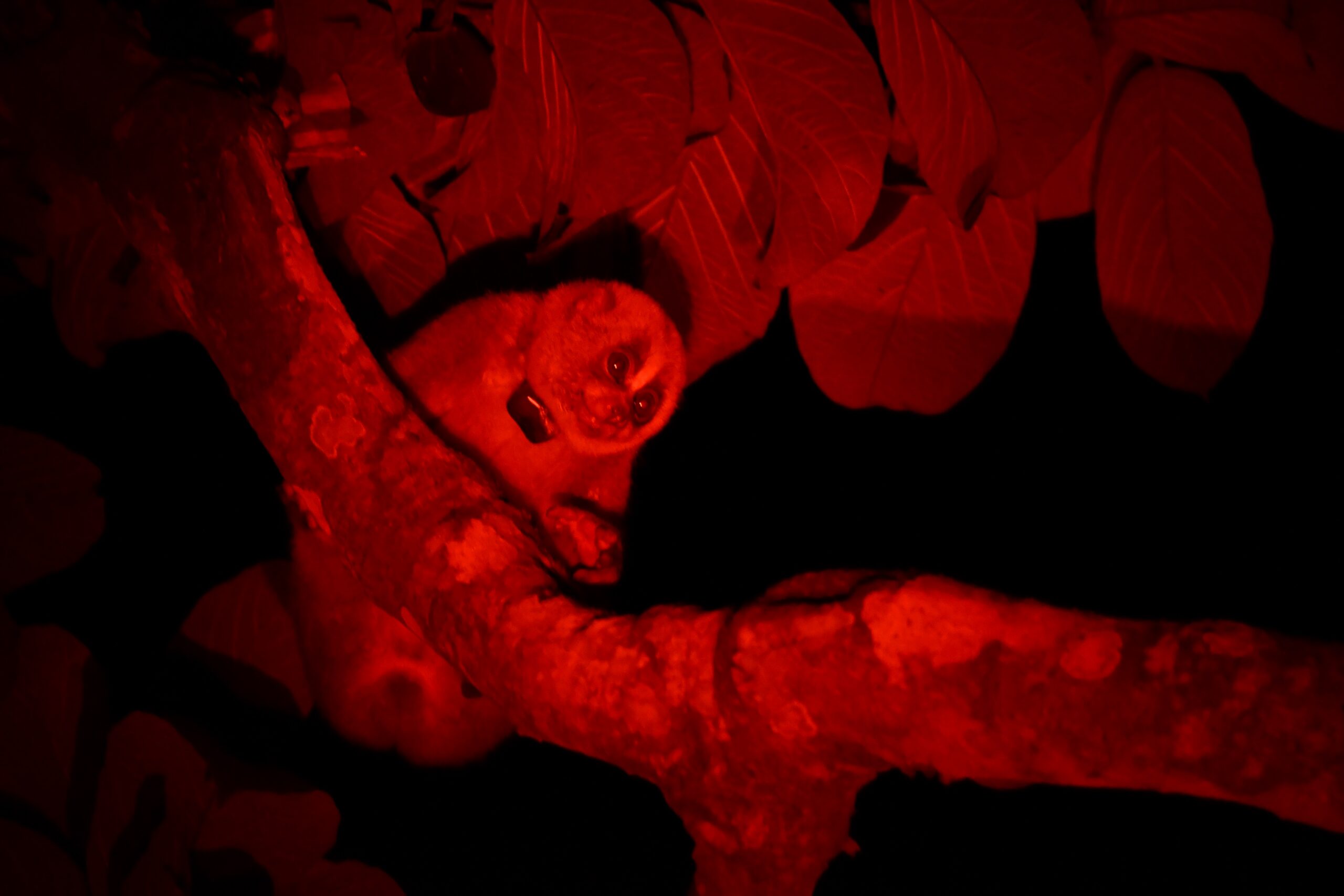 One of the nine released lorises, named Anna, that died due to a territorial conflict. Image courtesy of Marjan Maria.
‘Dumping grounds’ for confiscated wildlife
Hassan Al-Razi, lead author of the study and team leader at Plumploris e.V., a Germany-based nonprofit rehabilitating lorises at the Jankichara Wildlife Rescue Centre, said Lawachara National Park has likely reached a saturation point, with most slow loris territories already occupied, rendering it unsuitable for further loris releases.
“For forest-dwelling species [in Bangladesh], release sites are often selected based on logistical convenience rather than ecological suitability,” Al-Razi said. “As a result, certain forests have effectively become dumping grounds for rescued animals and are no longer appropriate release sites.”
Jahidul Kabir, deputy chief conservator of forests at the Bangladesh Forest Department and a co-author of the study, told Mongabay that Bangladesh has rigorous release protocols for more charismatic species, such as tigers and elephants. However, no such guidelines exist for slow lorises, he said, which are generally little-studied and poorly understood among wildlife authorities in the country.
“After these lessons, we realize that we need to develop a release protocol for the slow loris,” Kabir said, starting with assessing the overall population size and carrying capacity of lorises in Lawachara National Park. When it comes to considering further releases, he said a cautious, data-driven approach could help prevent further release-related mortality. “We need to move forward very carefully,” he said.
Nekaris, who is vice chair of the IUCN’s Primate Specialist Group, said work is underway to plug knowledge gaps on lorises and other nocturnal, territorial species, and to draw up species-specific guidelines for rehabilitation and translocations.
“We are working on species and countrywide guidelines for captive management, translocation, reintroduction, rescue center care, study in the wild, taxonomy and education, and outreach and health,” she said.
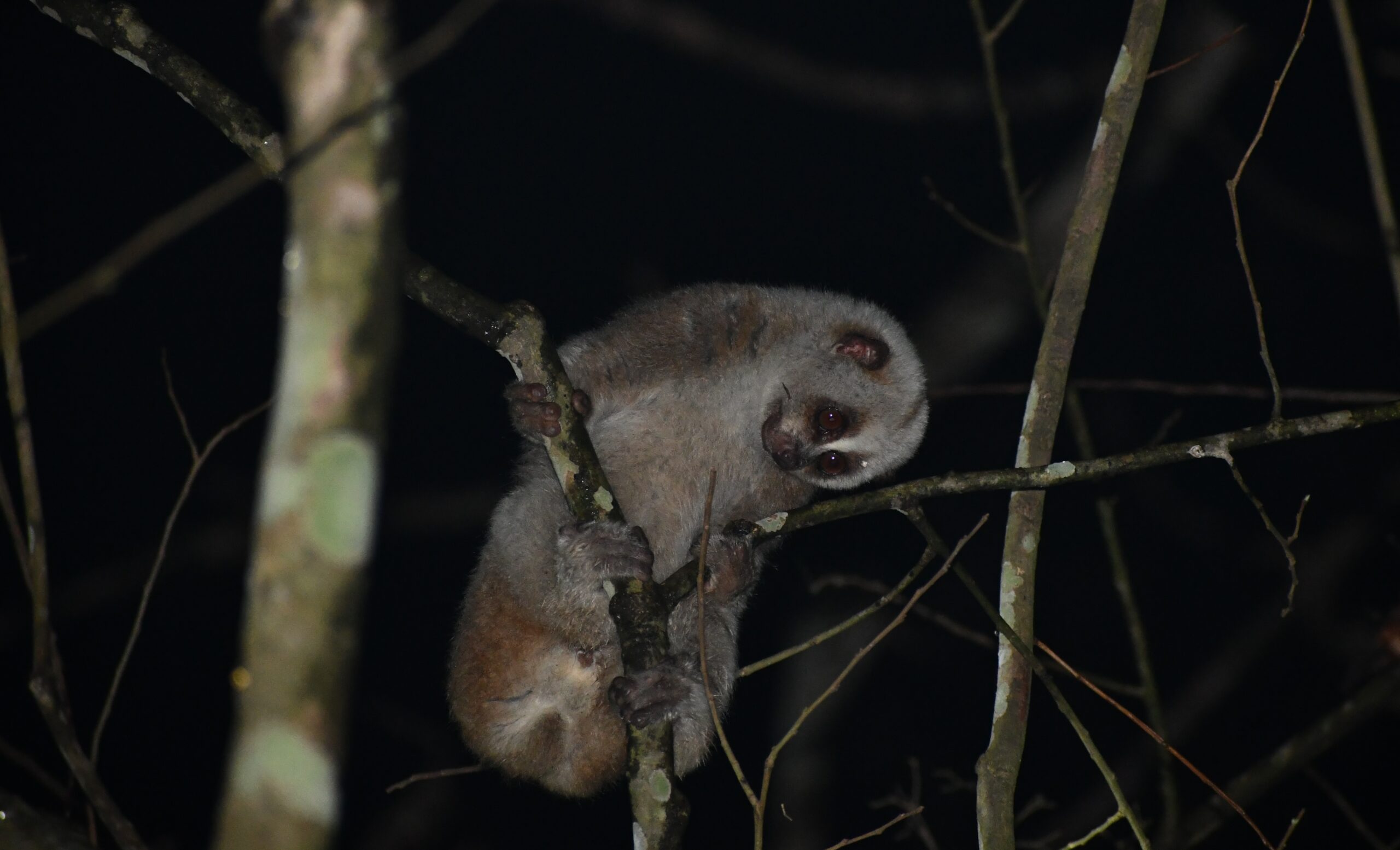 The team tracked and documented the nine slow lorises’ behaviors over 138 nights. Image courtesy of Hassan Al-Razi.
Evidence-based release and monitoring
The researchers say their findings can be used to help avert losses across loris range countries in the short term. They make several recommendations to enhance the effectiveness of releases, including thorough site assessments to survey the existing wild populations at potential release sites; obtaining a good understanding of the species and individuals to be released; and only releasing animals under the surveillance of rigorous post-release monitoring.
The latter is crucial, experts say, to understand survival rates, adapt release strategies, and identify when animals enter unsuitable habitats, such as areas prone to hunting or encroachment.
Conservationists at the IAR Indonesia Foundation (YIARI) have been rehabilitating and releasing critically endangered Javan slow lorises (Nycticebus javanicus) for 15 years. They’ve learned that post-release monitoring is critical to the success of releases.
“Without monitoring, we cannot understand survival rates, causes of mortality, territorial conflict, dispersal patterns, or habitat use,” Richard Moore, senior adviser at YIARI, told Mongabay in an email. “Monitoring allows us to refine protocols over time, define suitable release-site characteristics, and improve success rates based on evidence rather than assumptions.”
Moore said loris survival rates in Java, the most densely populated island in Indonesia, are often higher in secondary forests and agroforestry plantations than in primary forest. “Slow lorises found in trade are more likely to originate from forest edges, gardens, and plantations outside protected [areas], where densities are higher and capture is easier,” he said, noting this means animals from captive backgrounds might be more comfortable in these more disturbed habitats.
However, finding these types of areas that are safe from hunting pressure and illegal encroachment, as well as free of wild slow lorises that would fiercely defend their territories against newcomers, is a constant dilemma. “Habitats that best match the rescued animals’ ecological preferences may carry higher human risk,” Moore said.
This underscores the need for careful and evidence-based selection of release sites to avoid animals being liberated into areas that bear little resemblance to the habitats in which they were once living before capture.
As in the Bangladesh study, YIARI has also observed that prolonged time spent in captivity in rehabilitation reduces lorises’ chances of survival in the wild. “For this reason, release should take place as soon as an animal meets strict health and behavioural criteria, rather than extending captivity unnecessarily,” Moore said.
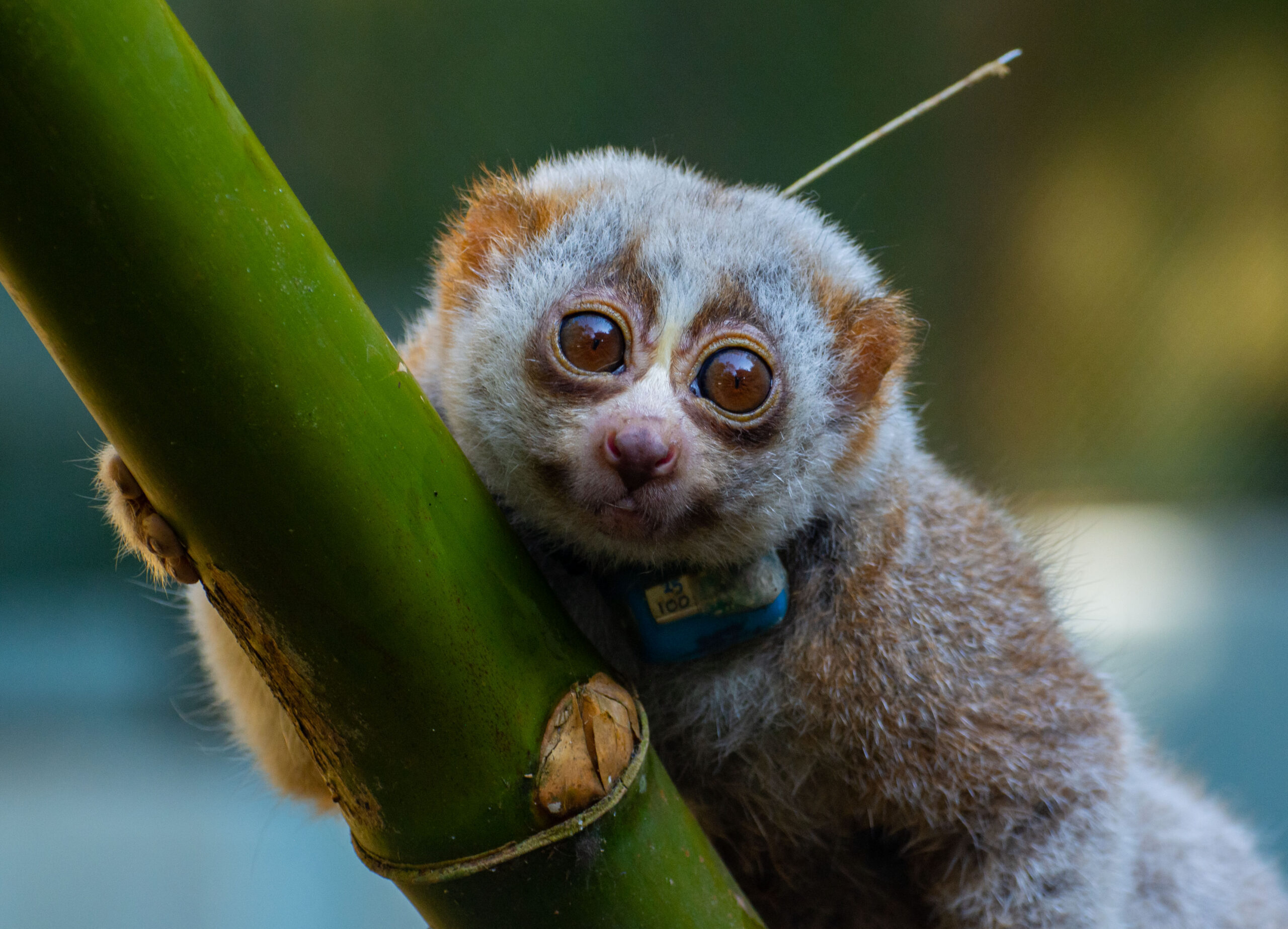 Nishat, one of the two Bengal slow lorises (Nycticebus bengalensis) to survive release into Lawachara National Park. Image courtesy of Marcel Stawinoga.
Address the underlying driver: The illegal wildlife trade
Given the myriad challenges of releasing individual lorises, and the fact that many wildlife rescue facilities struggle from a lack of funding that can lead to them releasing animals prematurely, experts say rescue, rehabilitation and release should be viewed as one component of a broader conservation strategy that seeks stop animals being poached from the wild in the first place.
“RRR [Rescue, Rehabilitation and Release] addresses the symptoms of the crisis — confiscated individuals from the illegal pet trade — rather than the underlying driver, which is illegal wildlife trade itself,” Moore said.
While well-managed wildlife rescue centers equipped to care for and release animals support law enforcers’ capacity to conduct seizures, and thereby increase the perceived risk for traffickers, Moore said the ultimate aim is to eliminate the need for them altogether. “The goal is not to perfect release methods indefinitely, but to reduce trade pressure to the point where large-scale rescue and release become unnecessary,” he said.
For Nekaris, the findings from Bangladesh underscore what’s at stake once a loris is plucked from the wild and plied into the illegal trade.
“The illegal wildlife trade is often likened to the cut-flower industry,” she said. “When you take an animal out of the wild, even though it’s still alive, it no longer has an ecological function.”
If that individual then can’t survive after release, or creates conflict for the local wild population, then it may be better not to return it to the wild at all, she said.
“You have the two sides, you have the conservation of the species, and the welfare of the individual, and we fall in love with these individuals,” Nekaris said. “But if releasing them to the wild has negative impacts on their species, that individual may have to be sacrificed.”
Banner image: Nishat, one of the two Bengal slow lorises (Nycticebus bengalensis) to survive release into Lawachara National Park. Image courtesy of Marcel Stawinoga.
Carolyn Cowan is a staff writer for Mongabay.
Citations:
Al-Razi, H., Maria, M., Rabbi, R. A., Shimu, M. S., Rahman, S., Sultana, R., … Nekaris, K. (2026). A new home is a death trap: Reinforcement at a translocation release site leads to fatalities in an endangered primate species. Global Ecology and Conservation, e04072. doi:10.1016/j.gecco.2026.e04072
Starr, C., Nekaris, K., Streicher, U., & Leung, L. (2010). Traditional use of slow lorises Nycticebus bengalensis and N. pygmaeus in Cambodia: An impediment to their conservation. Endangered Species Research, 12(1), 17-23. doi:10.3354/esr00285
See related story:
When “cute” is cruel: Social media videos stoke loris pet trade, study says
FEEDBACK: Use this form to send a message to the author of this post. If you want to post a public comment, you can do that at the bottom of the page.
