


SWI swissinfo.ch
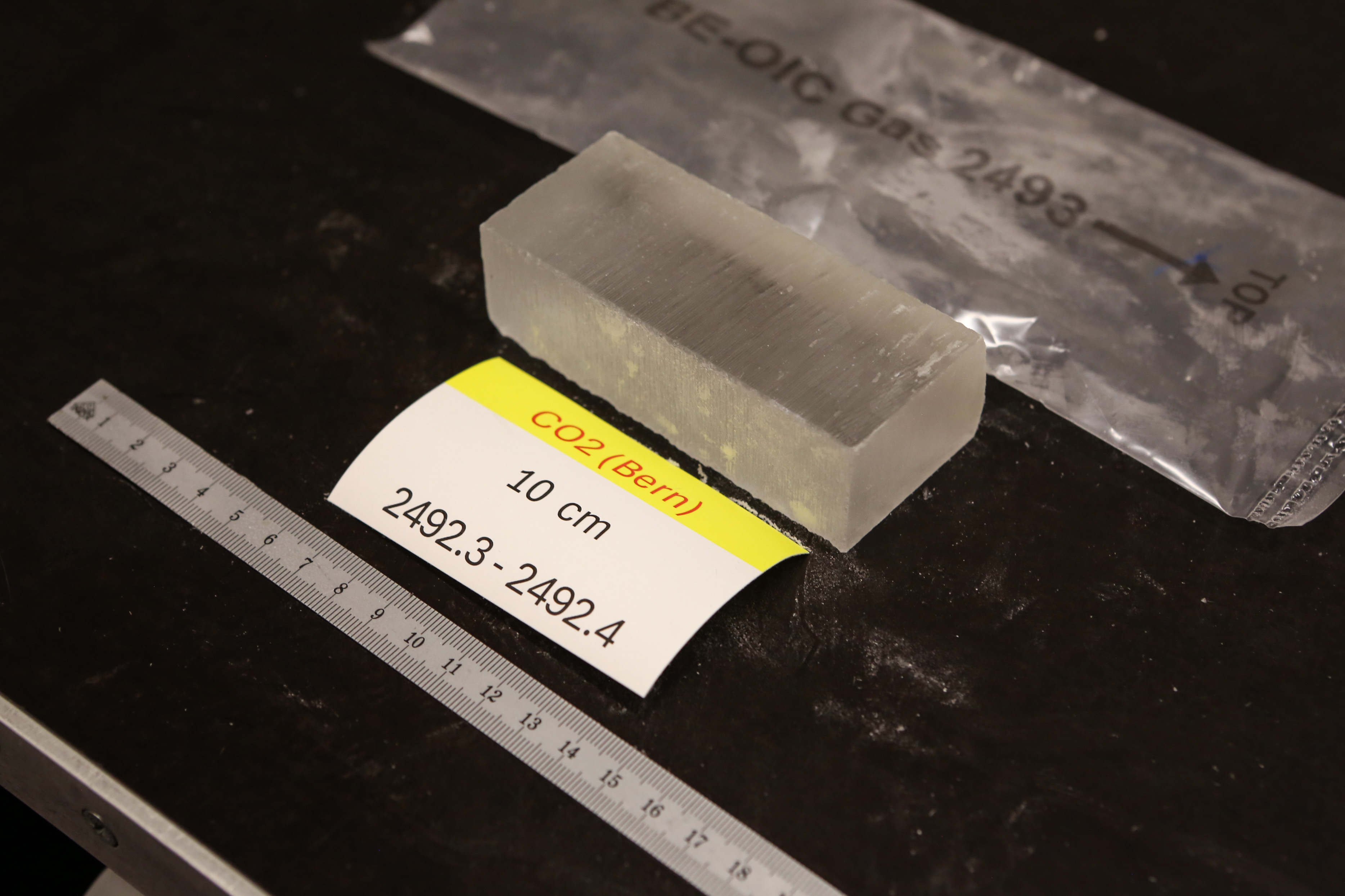
Researchers from the University of Bern are delving into Antarctica’s oldest ice, extracted from a depth of more than 2,500 metres. These samples hold crucial clues to the Mid-Pleistocene Transition, a pivotal period 900,000 to 1.2 million years ago, vital for understanding Earth’s climate future.
This content was published on
February 27, 2026 – 10:00

I lead diverse teams of distribution specialists and multimedia journalists in creating multilingual content for a range of online platforms. I oversee the strategic development of our podcast and video products, driving innovative content creation and audience engagement.
After training as a broadcast journalist at City University of London, I worked in production and on-air as a journalist or contributor for a range of prime-time TV and radio programmes at top-tier broadcasters including the BBC, NPR, Deutsche Welle, and various commercial networks.

My work is focused on making videos and podcasts about science and technology topics. I specialize in developing explainatory video formats for mobile viewing, mixing animation and documentary styles.
I studied filmmaking and animation at Zurich University of the Arts and began working as a video journalist at SWI swissinfo.ch in 2004. Since then I have specialised in creating different styles of animation for our visual products.
This week on ‘The Swiss Connection’ science podcast, we visit the Institute for Climate and Environmental Physics at the University of Bern. Join researchers Hubertus Fischer and Florian Kraus as they unveil their groundbreaking work. They have developed a specialised laser device to meticulously analyse carbon dioxide (CO₂) and other greenhouse gases trapped in ancient air bubbles within these ice samples. This innovative approach allows them to reconstruct Earth’s past climate with unprecedented detail.
Fischer and Kraus are integral members of the European project Beyond EPICA – Oldest IceExternal link, an ambitious endeavour aiming to analyse ice formed over a million years ago. Their ultimate goal is to gain a deeper understanding of past climate change and, in turn, better assess humanity’s impact on our planet’s climate.
A key focus of their research is to unravel one of palaeoclimatology’s enduring enigmas: why the rhythm of Earth’s glaciations dramatically shifted around a million years ago, becoming longer and more intense.
Find out more about the ‘The Swiss Connection’ science podcast and our other Swiss podcasts in English here, on Apple PodcastsExternal link, or SpotifyExternal link.
More
More
Glaciers & permafrost
Swiss science seeks answers to climate change in Antarctic ice
This content was published on
Oct 1, 2025
Researchers in Bern are studying some of the oldest ice samples on the planet. They want to shed light on one of the main mysteries of the Earth’s climate.
Read more: Swiss science seeks answers to climate change in Antarctic ice
Articles in this story