
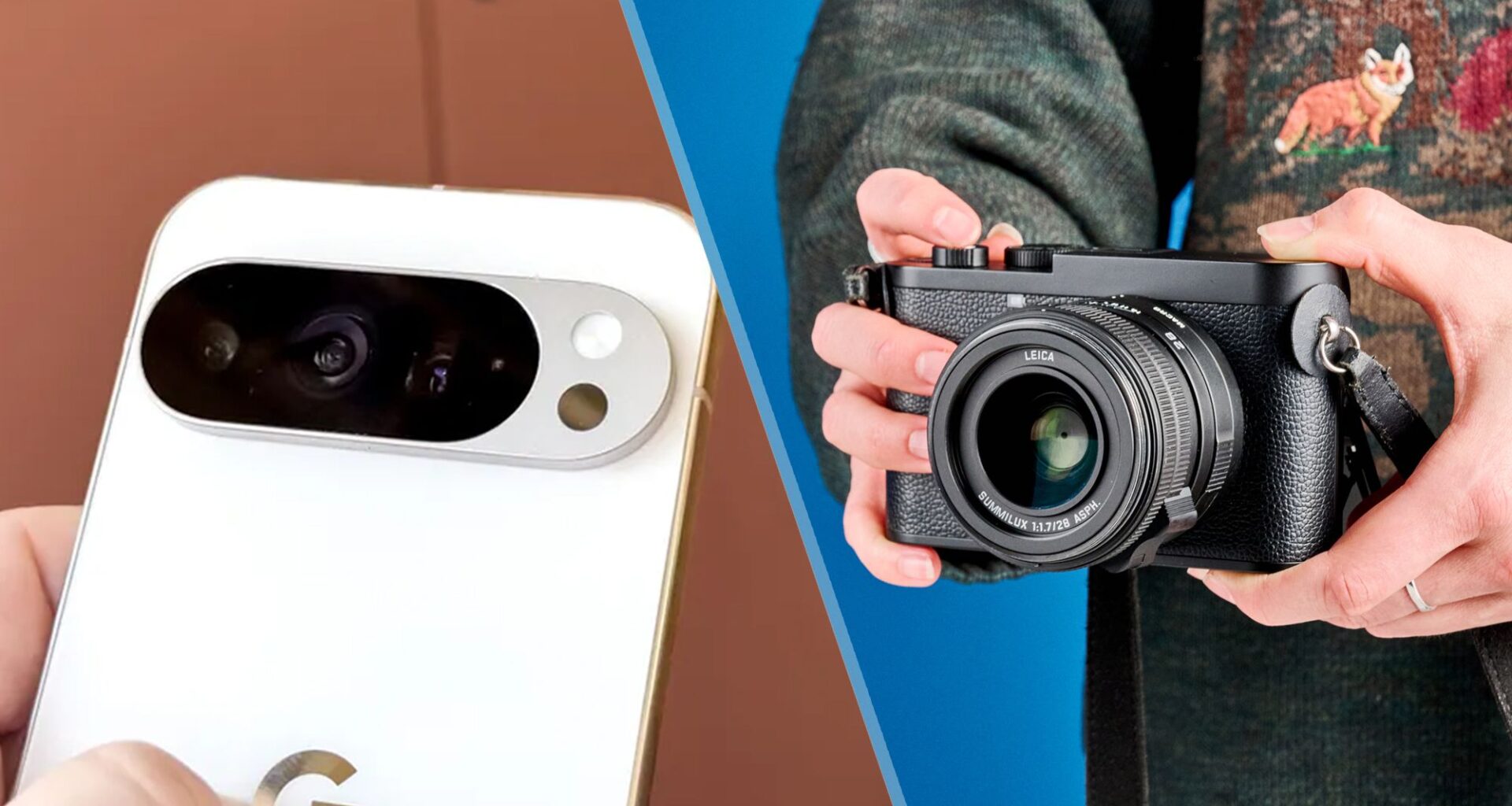
Nowadays, most people have a camera in their pocket, attached to their smartphone. This has resulted in all of us being able to capture memories and our day-to-day life without necessarily needing one of the best cameras at hand. Even though I own a mirrorless camera, I still take lots of photos (and videos) on my Google Pixel 10 Pro XL.
One of the things I love about my Pixel 10 Pro XL is just how good its camera is, as well as the array of editing features at my disposal. I often play around with the many filters on my phone, and I gravitate towards the black-and-white filters quite a bit.
You may like
It goes without saying that this is an extremely unfair comparison: one has a dedicated mono sensor (and costs nearly $8,000!) while the other uses software filters to add effects to color images. I’m not here to tell you which is better — that much is obvious, the Q3 Monochrom is the winner and it isn’t even close. But I’m here to show you the differences, and tell you that the Pixel 10 Pro XL and its monochromatic filters shouldn’t be underestimated.
Words and photos by Words and photos by
Nikita Achanta
Senior reviews writer and photographerA quick rundown of specs
(Image credit: Tom’s Guide)
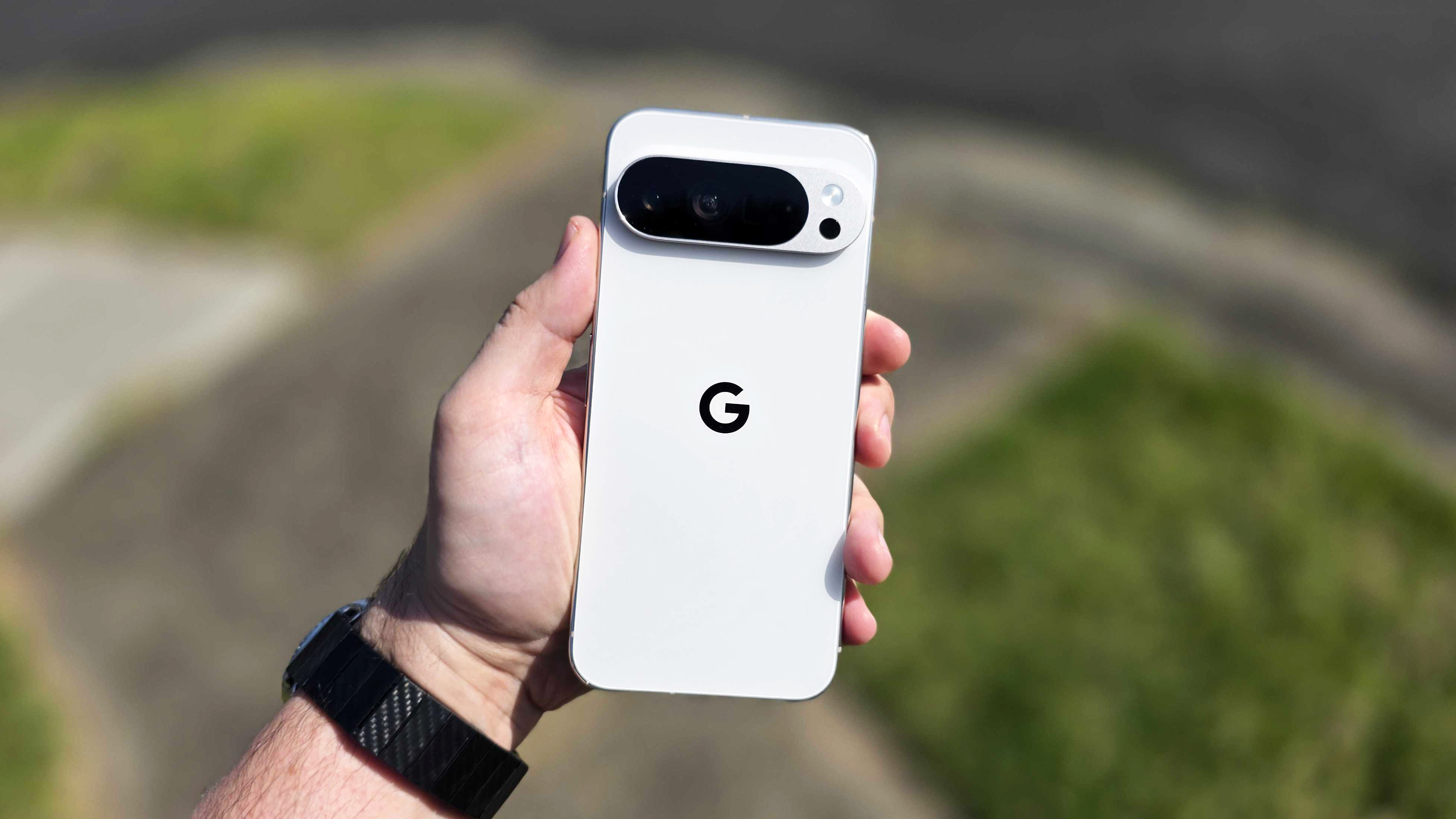
Before I dive into the (soft) comparison, let’s talk about the specs of both the Google Pixel 10 Pro XL and the Leica Q3 Monochrom. The smartphone features 50MP f/1.68 main, 48MP f/1.7 ultra-wide, 48MP f/2.8 5x telephoto, and 42MP f/2.2 selfie cameras. To take photos in 50MP, though, you’ll need to enable it via the ‘Pro’ settings in the camera’s menu. These photos are labelled as ‘hi-res’ and take up more space on your phone.
The Pixel 10 Pro XL also packs a 5x optical zoom and 100x Pro-Res Zoom which uses AI to upscale the image. While it does a solid job, you obviously lose some detail in software processing. The Pixel 10 Pro XL also captures all photos (JPEGs and RAWs) in color, and you need to apply black-and-white filters while editing after you’ve taken them.
(Image credit: Tom’s Guide)
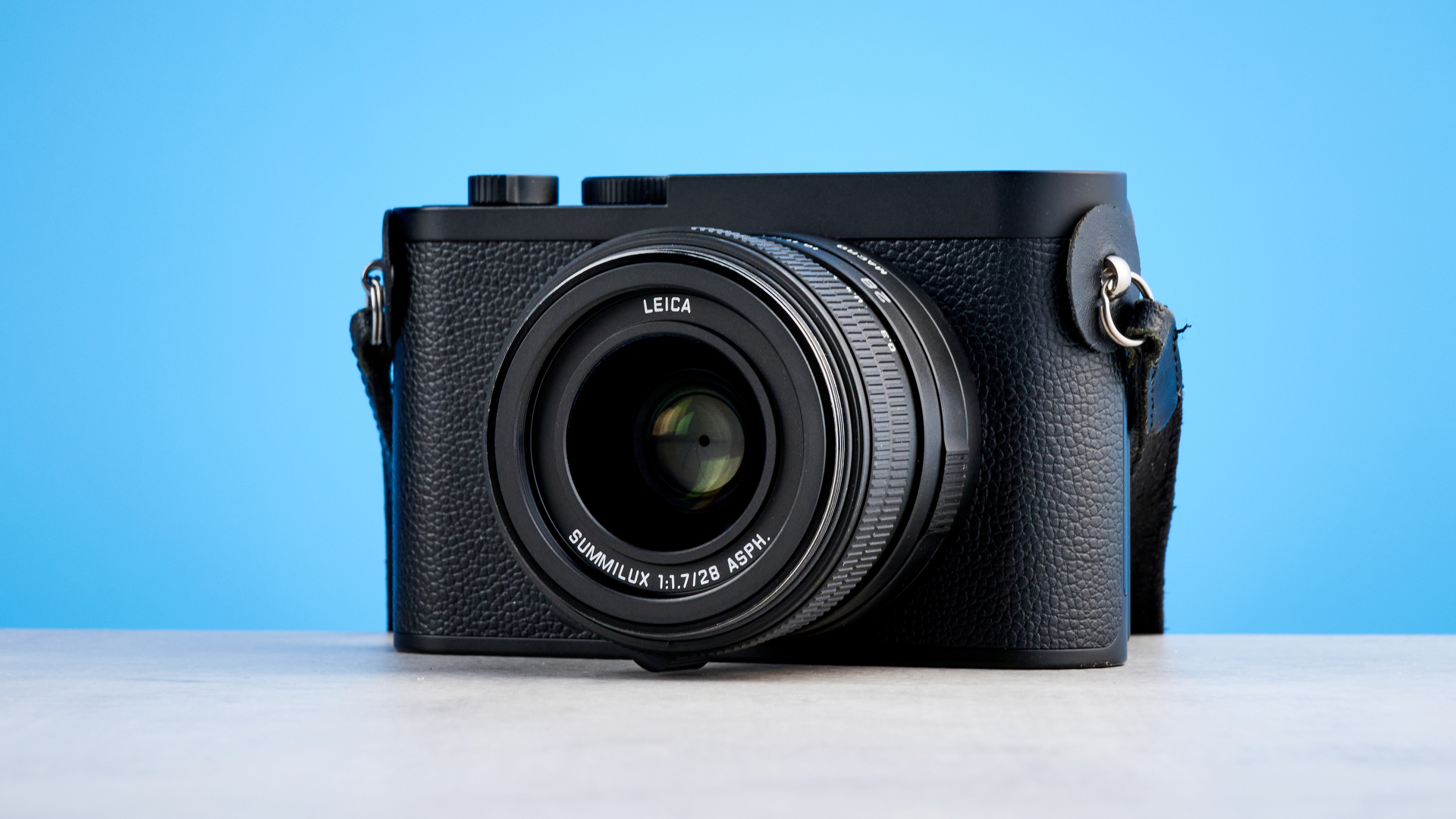
Next up, the Q3 Monochrom. It features a 60.3MP CMOS sensor and a mono sensor so it captures photos in black-and-white only. You get optical image stabilization for shooting at mildly slow shutter speeds. It features a fixed Summilux 28mm f/1.7 ASPH. lens so it’s good for street, architecture, landscape and portrait photography. The camera also offers up to 14+ stops of dynamic range for extensive highlights and shadows adjustments in post-production.
Having 60.3MP at your disposal means you can crop right into images, and these images (and their crops) are suited to large-format printing too. So while you can’t zoom in as you can with the Pixel 10 Pro XL, the images pack heaps of detail for extreme cropping.
Comparing grayscale and tonality
One of the primary differences between shooting with a dedicated black-and-white camera versus software filters is that the former will always add more depth to the images. They won’t look flat, as they would compared to smartphone images and software filters. This is true in the case of the Leica Q3 Monochrom and the Google Pixel 10 Pro XL, where monochromatic images taken on the former have more of a 3D pop to them, and the edges are more refined, so there’s good subject separation.
Image 1 of 14
 Taken on a Leica Q3 Monochrom.(Image credit: Nikita Achanta / Tom’s Guide)
 Taken on a Google Pixel 10 Pro XL.(Image credit: Nikita Achanta / Tom’s Guide)
 Taken on a Leica Q3 Monochrom.(Image credit: Nikita Achanta / Tom’s Guide)
 Taken on a Google Pixel 10 Pro XL.(Image credit: Nikita Achanta / Tom’s Guide)
 Taken on a Leica Q3 Monochrom.(Image credit: Nikita Achanta / Tom’s Guide)
 Taken on a Google Pixel 10 Pro XL.(Image credit: Nikita Achanta / Tom’s Guide)
 Taken on a Leica Q3 Monochrom.(Image credit: Nikita Achanta / Tom’s Guide)
 Taken on a Google Pixel 10 Pro XL.(Image credit: Nikita Achanta / Tom’s Guide)
 Taken on a Leica Q3 Monochrom.(Image credit: Nikita Achanta / Tom’s Guide)
 Taken on a Google Pixel 10 Pro XL.(Image credit: Nikita Achanta / Tom’s Guide)
 Taken on a Leica Q3 Monochrom.(Image credit: Nikita Achanta / Tom’s Guide)
 Taken on a Google Pixel 10 Pro XL.(Image credit: Nikita Achanta / Tom’s Guide)
 Taken on a Leica Q3 Monochrom.(Image credit: Nikita Achanta / Tom’s Guide)
 Taken on a Google Pixel 10 Pro XL.(Image credit: Nikita Achanta / Tom’s Guide)
Have a look at the images in the gallery above. Each comparison series consists of two images, where the first is taken on the Q3 Monochrom and the second is taken on the Pixel 10 Pro XL. If we weren’t comparing apples and oranges, I’d say the Q3 Monochrom is the winner when it comes to image quality. Instead, I want to talk about the grayscale and tonality of both the camera and smartphone.
You may like
While Google’s HDR+ and Tensor G5 chip are brilliant at balancing exposure, color images which have the black-and-white filter appear crunchy or over-sharpened, as you can see in the gallery above. On the other hand, the Q3 Monochrom’s images look natural and more true to life. The Pixel 10 Pro XL’s images lack the moodiness and character of the Q3 Monochrom’s images. Again, this is a limitation of the Pixel’s small sensor compared to the Q3 Monochrom’s full frame sensor.
The Pixel 10 Pro XL still does a commendable job as smartphone photography goes, and given the several filters you have at your disposal make it a versatile shooter, perfect for on-the-fly photography and editing.
Comparing macro modes
(Image credit: Tom’s Guide)
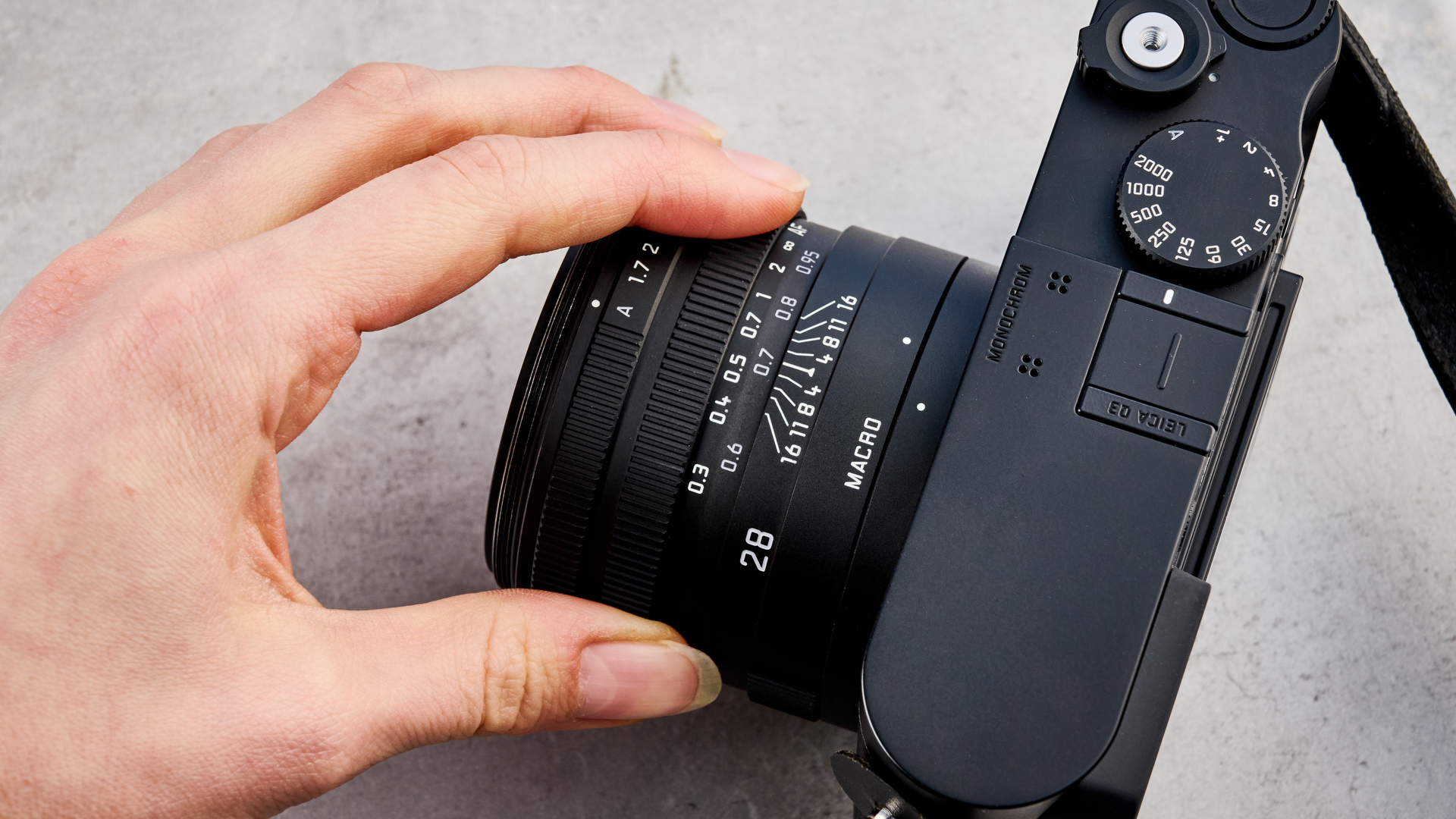
Both the Leica Q3 Monochrom and the Google Pixel 10 Pro XL feature dedicated macro modes. On the Q3 Monochrom, you can turn the macro ring on the lens barrel to reveal a different set of lens markings, and doing so reduces the minimum focus distance from 70cm to 17cm. Meanwhile, macro mode on the Pixel 10 Pro XL is automatically enabled when the phone is 2cm to 4cm away from the subject (or you can force-toggle it via the gear icon on the camera screen.
Image 1 of 4
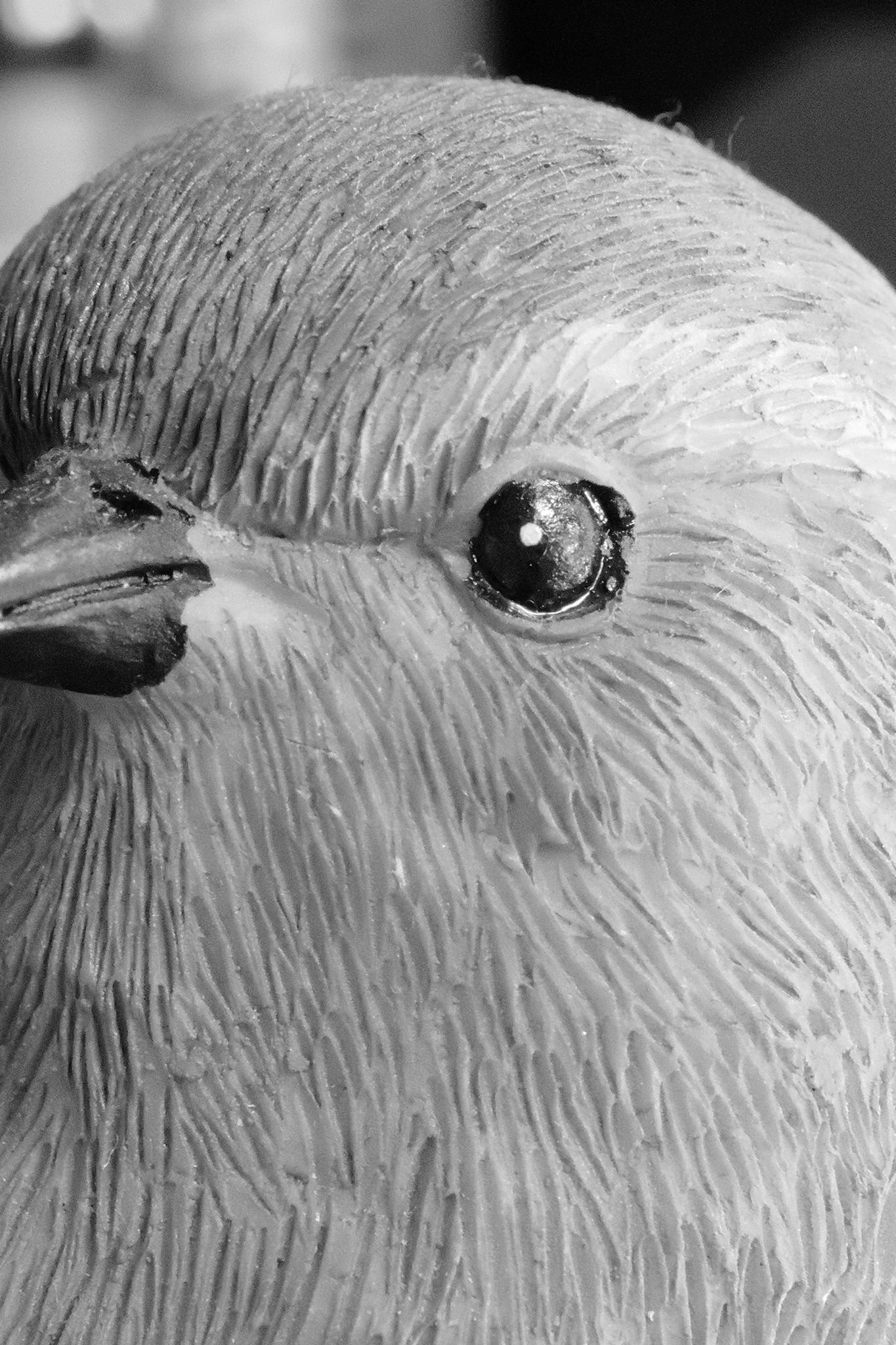 Taken on a Leica Q3 Monochrom.(Image credit: Nikita Achanta / Tom’s Guide)
 Taken on a Google Pixel 10 Pro XL.(Image credit: Nikita Achanta / Tom’s Guide)
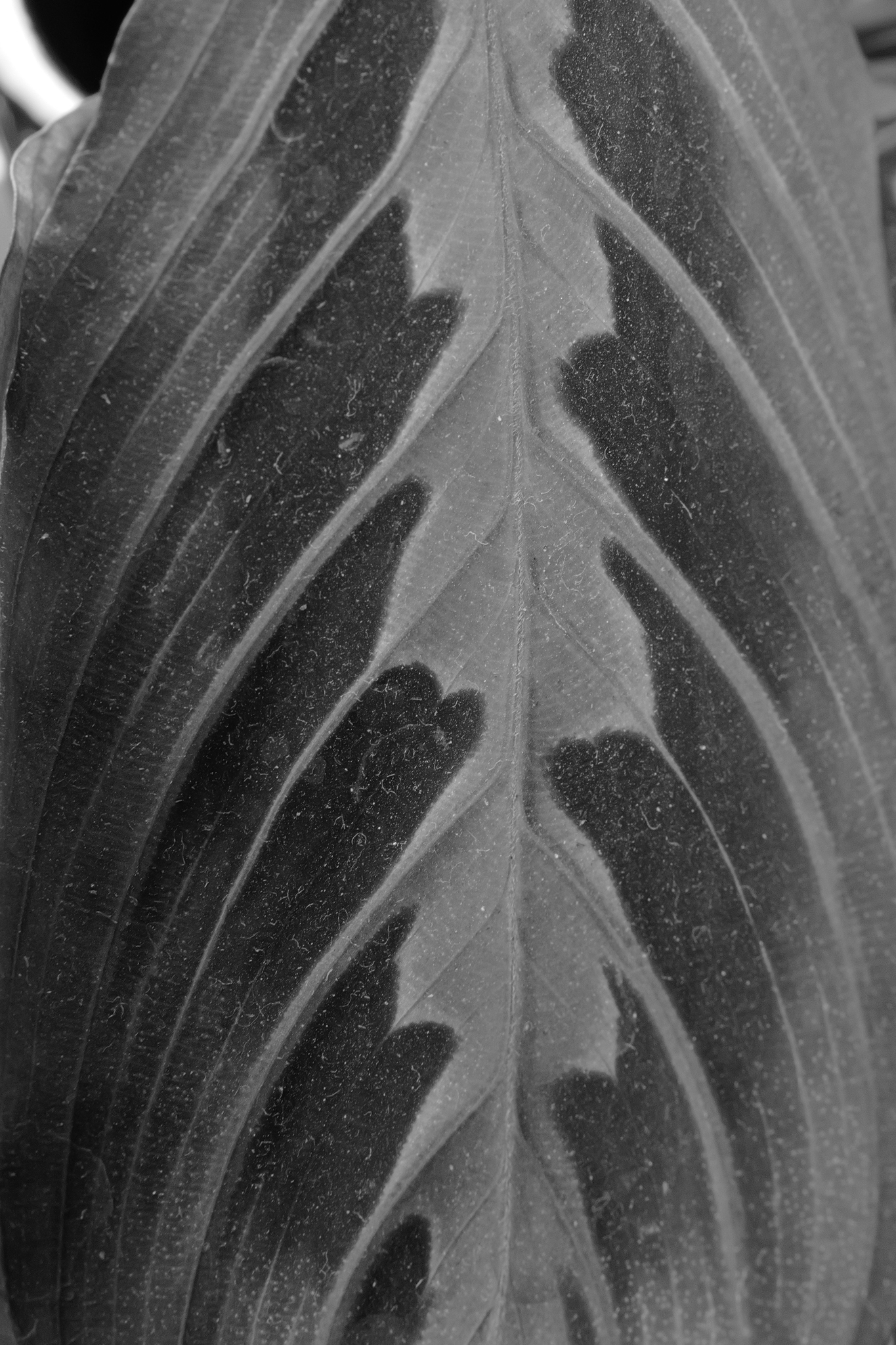 Taken on a Leica Q3 Monochrom.(Image credit: Nikita Achanta / Tom’s Guide)
 Taken on a Google Pixel 10 Pro XL.(Image credit: Nikita Achanta / Tom’s Guide)
Macro mode is excellent for getting stuck in the detail and capturing hidden details in flowers, leaves, insects, and even food. Again, I’m not going to say whether the Q3 Monochrom is better than the Pixel 10 Pro XL or vice versa, but that both are great at taking macro photos, as you can see in the gallery above. As earlier, each series consists of two images, where the first is taken on the Q3 Monochrom and the second is taken on the Pixel 10 Pro XL.
In the photo of the robin ornament taken on the Q3 Monochrom, the kinks and wood carvings appear softer and more pleasant to the eye. The image is highly detailed and sharp, as is the one taken on the Pixel 10 Pro XL. The image taken on the Pixel, however, makes the wood carvings appear more jagged and pronounced, which isn’t how the ornament looks in real life. Still, the smartphone has done an excellent job at capturing the macro details, such as the white dot in the eye.
Similarly, the image of the leaf taken on the Q3 Monochrom is packed with detail, and you can make an even more extreme crop of it. The Pixel 10 Pro XL has excelled at capturing the dust particles and details in the leaf’s veins as well. It also goes without saying that applying the black-and-white filter on the Pixel’s photos after the fact has made the images a little flat.
Where the Pixel 10 Pro XL wins
(Image credit: Tom’s Guide)
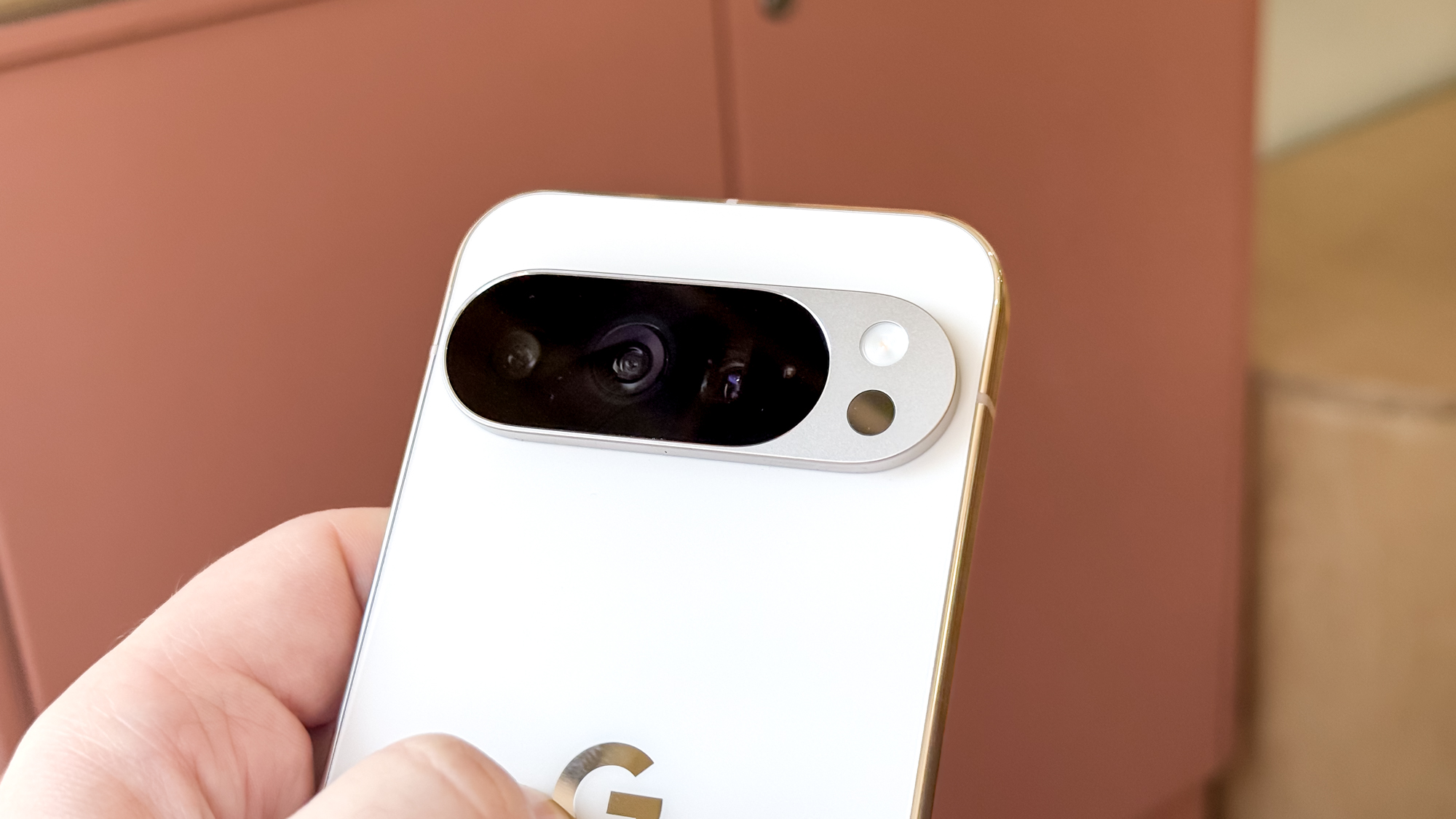
There’s one area the Google Pixel 10 Pro XL wins in compared to the Leica Q3 Monochrom, and that’s value for money. Look, Leicas aren’t the most accessible cameras when it comes to their price. The Q3 Monochrom is a very niche digital camera too, as it shoots only in black-and-white, so it isn’t everyone’s cup of tea.
On average, a brand new (not second-hand) Leica costs at least six or seven grand. The Q3 Monochrom retails for $7,790 at Adorama / £5,800 at Wex, nearly five times the cost of a Pixel 10 Pro XL, which costs $1,199 / £1,199 at Amazon for the 256GB model.
Of course, if you want a dedicated black-and-white camera, there’s no doubt about it that the Q3 Monochrom is a winner, and very easy to recommend. But if you’re strapped for cash or aren’t a professional/serious photographer, I believe you can continue banking on your Pixel 10 Pro XL for casual photography.
Where the Leica Q3 Monochrom wins
(Image credit: Tom’s Guide)
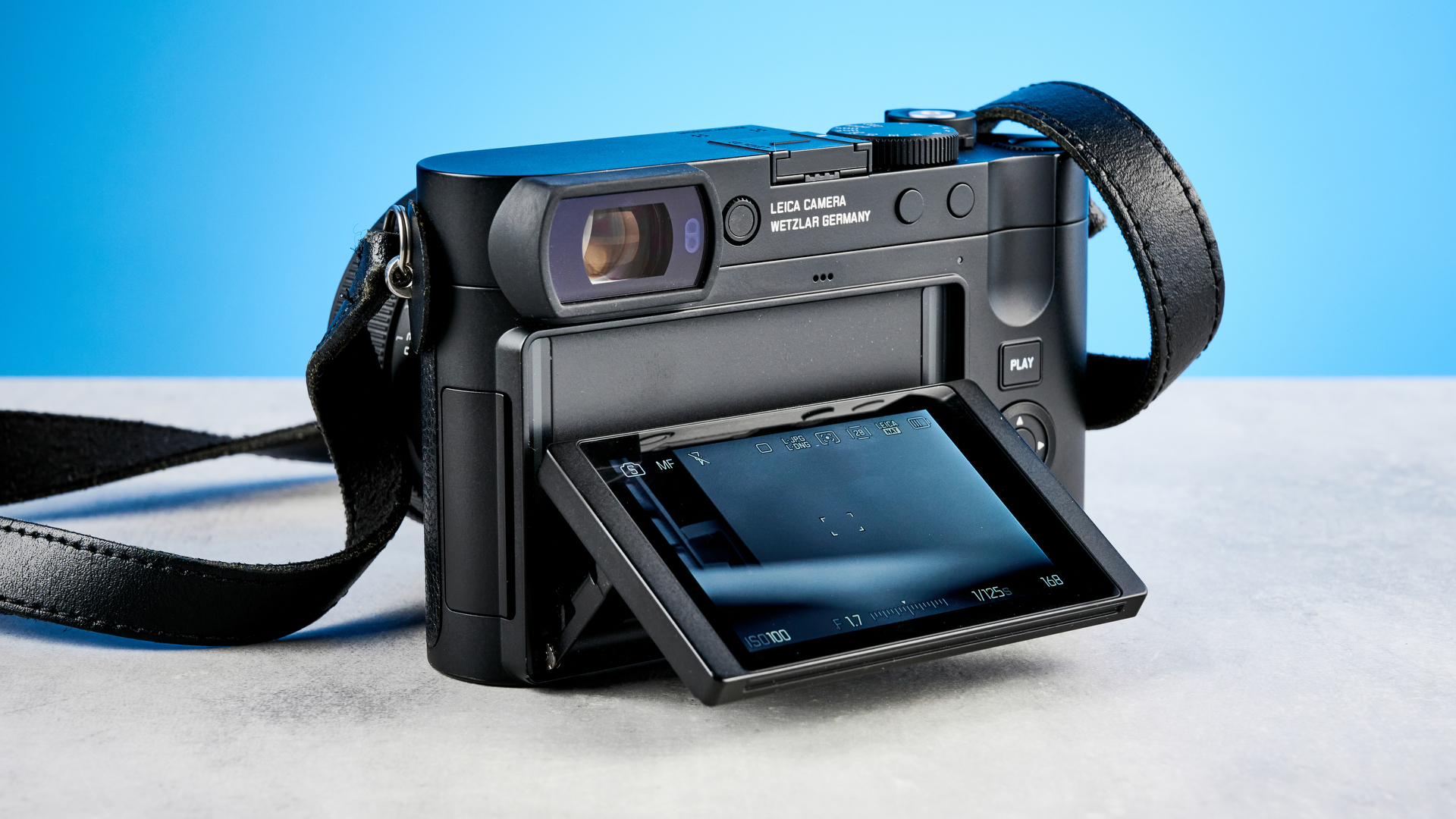
It should come as no surprise that the Leica Q3 Monochrom upstages the Google Pixel 10 Pro XL when it comes to packing heaps and heaps of detail, and capturing a wide dynamic range for extensive editing in post-production. This applies to most mirrorless cameras, whose sensors are much larger than those found on smartphones, so they offer superior light gathering, dynamic range and shallower depth of field.
And this is why it’s unfair to compare the Q3 Monochrom and the Pixel 10 Pro XL, because the latter’s 1/1.3-inch main and 1/2.55-inch tele and ultrawide sensors just can’t compete with the former when it comes to sensor real estate. This comparison piece isn’t a “buy this, not that” type of feature, as both the camera and the smartphone have different use cases. As a photographer, I will continue to use my mirrorless camera and my smartphone, side by side, and I’ll pull one or the other out depending on the situation.
(Image credit: Future)
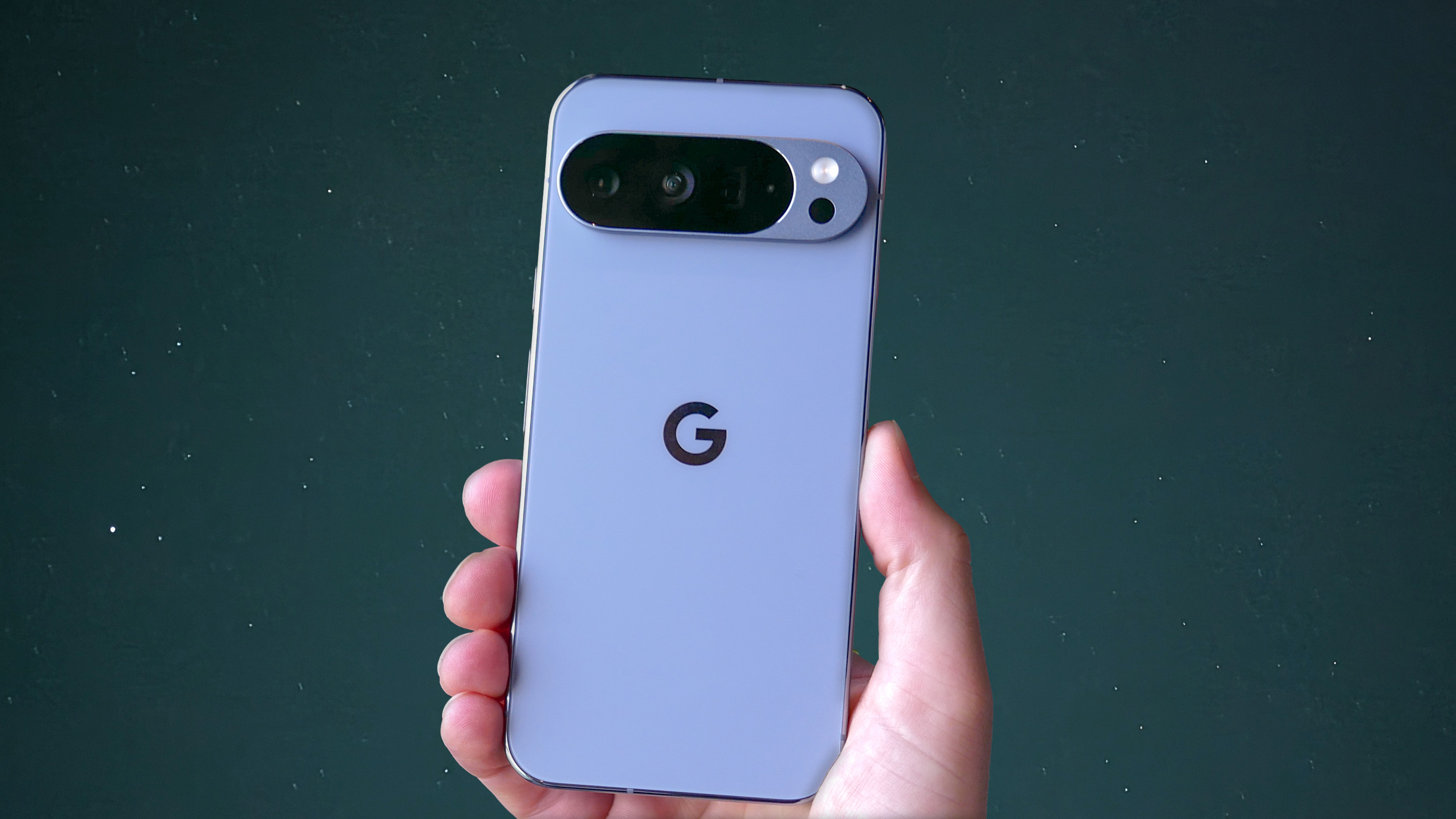
As I said when I compared the Pixel 10 Pro XL and the OM System OM-1 Mark II for wildlife photography, my Pixel is my go-to for on-the-fly photography, or when I’m at a concert where I can’t take my mirrorless camera. While it doesn’t compare to professional equipment, it’s still a formidable piece of tech, and the Pixel 10 Pro XL’s excellent cameras continue to fuel my loyalty to the brand.
Once you’re done reading this, make sure to check out my full Leica Q3 Monochrom review and our Google Pixel 10 Pro XL review for the complete low-down on the image quality.

Follow Tom’s Guide on Google News and add us as a preferred source to get our up-to-date news, analysis, and reviews in your feeds.
More from Tom’s Guide
Today’s best Leica Q3 Monochrom and Google Pixel 10 Pro XL deals