
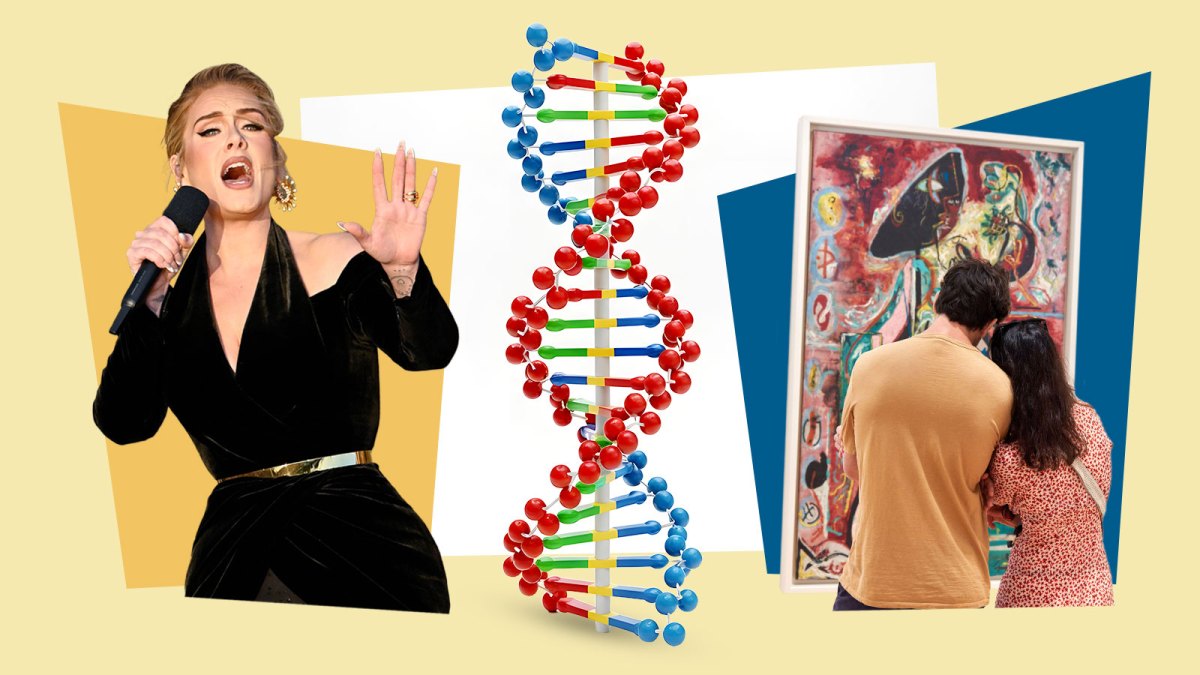
The orchestral crescendo in Samuel Barber’s Adagio for Strings. The swelling choir in Handel’s Messiah. Adele’s final refrain of Someone Like You. For many people, such moments trigger a physical response: perhaps a shiver down the spine, a prickle on the arms or a sudden intake of breath. In scientific studies, these reactions have been given a name — “aesthetic chills”.
Researchers have begun to trace where they come from. They have concluded that if great art gives you goosebumps you can, in part, thank your genes.
More than 15,000 adults, aged 18 to 96, were asked whether they sometimes felt a “chill or wave of excitement” when reading poetry or viewing art, and whether they experienced something similar when listening to music. Their DNA was also analysed.
The findings suggest about a third of the variation in people’s susceptibility to a frisson is due to inherited and family-related factors.
The idea that art can provoke a physical response is not new. Charles Darwin described feeling a shiver down his back while listening to choral music at King’s College Cambridge, while the Lolita novelist Vladimir Nabokov wrote: “Although we read with our minds, the seat of artistic delight is between the shoulder blades. Let us worship the spine and its tingle.”
Scientists have been studying aesthetic chills for decades. Brain scans have suggested that when someone reports feeling a shiver during a piece of music, the brain’s reward system becomes active. The same network is involved when we experience pleasure from things essential to survival, such as food. It can also light up when we find somebody attractive.
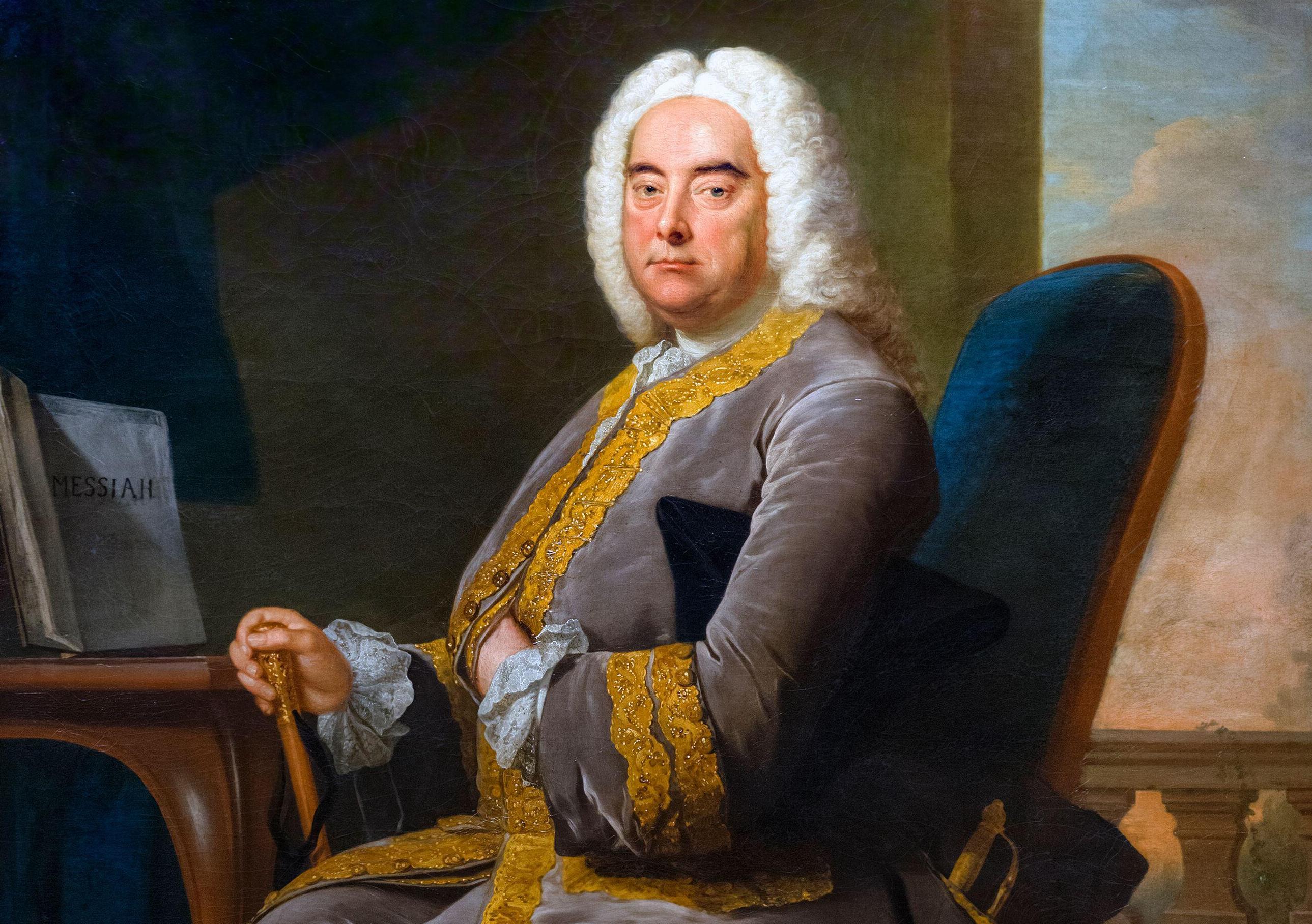
Listening to Handel’s Messiah can release dopamine
ALAMY
In these moments, the brain releases dopamine, a chemical linked to motivation and enjoyment. A swelling orchestra or a well-crafted sonnet seems to activate the same parts of the brain.
Researchers have also identified common triggers. In music, chills often occur at moments of build-up and release, such as a crescendo or an unexpected change in harmony. In visual art and poetry, they seem often to be associated with awe inspired by vast scale, dramatic contrast or the sense of encountering something sublime. Not everyone experiences them, however.
The research, led by Giacomo Bignardi, of the Max Planck Institute for Psycholinguistics in the Netherlands, looks at the role of genetics. It is, he and his colleagues say, the first time this has been applied to music.
They write in a paper in the journal PLOS Biology: “Our research highlights shared molecular heritability for proneness to chills from art, poetry, and music.”
Intriguingly, the study found that the chills triggered by music and those stirred by visual art or poetry were partly governed by the same genetic influences.
Someone who feels a shudder during a performance of a Puccini opera or on hearing, say, Nina Simone or Mari Callas sing seems to be more likely to feel it when looking at a special painting, perhaps a Turner seascape or Van Gogh’s The Starry Night. But the overlap, though substantial, was not complete.
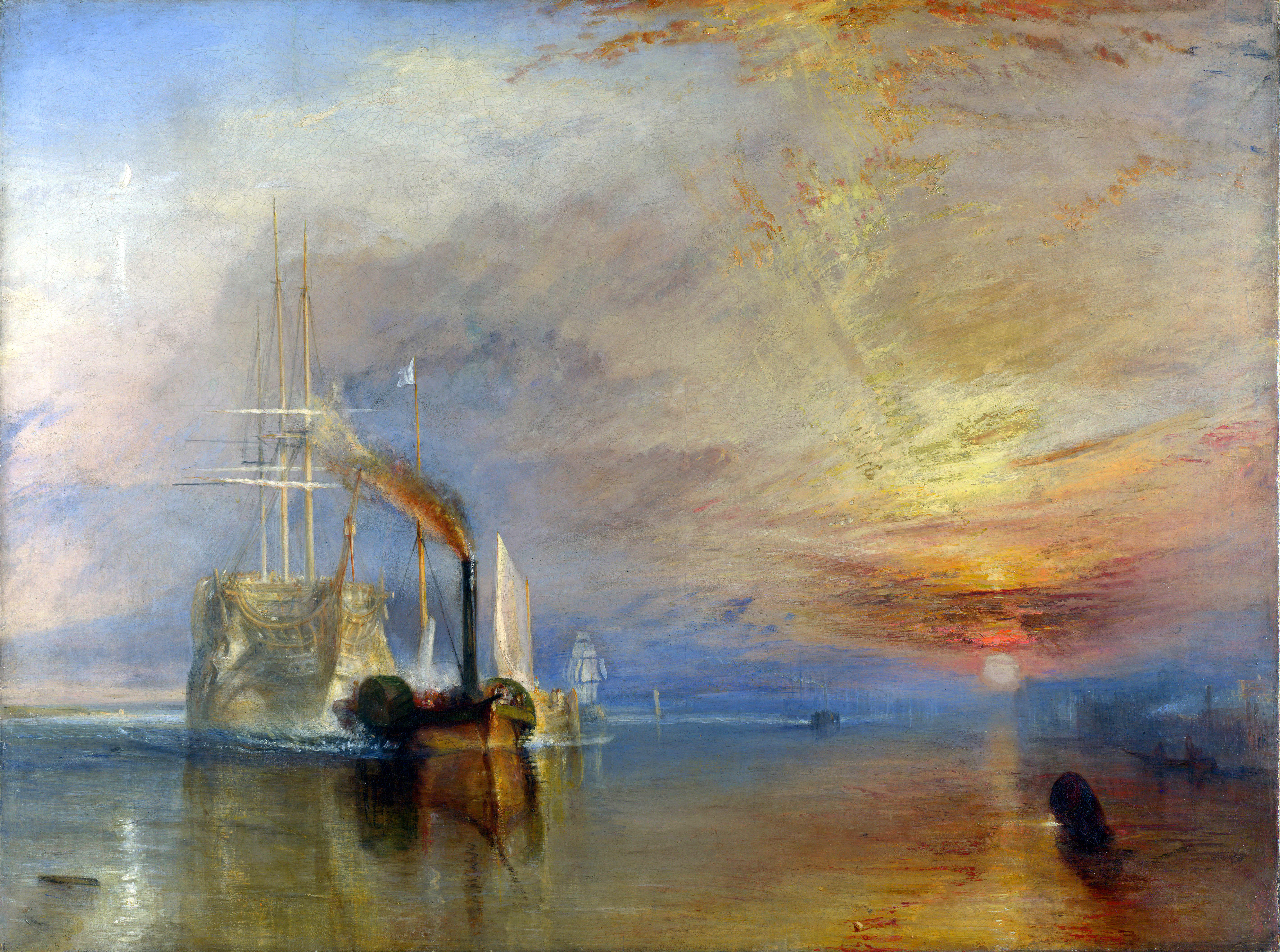
The Fighting Temeraire by JMW Turner
ALAMY
The researchers investigated further, asking whether a genetic predisposition for the chills aligned with a personality trait. They looked for a pattern of genes that other studies have linked with what is known as openness to experience, which is associated with imagination, curiosity and artistic interest.
People with a higher genetic propensity toward openness to experience were slightly more likely to report chills. Overall, however, researchers found genes were only part of the story, and there was certainly no single “goosebumps gene”.
Most, about 70 per cent, of the variation between people experiencing aesthetic chills could be explained not by genetics but rather the culture we encounter, the experiences we accumulate and the world we inhabit.
Biology may contribute to how we think about the chills, but it cannot explain them completely. The artists, it seems, are not out of a job yet. As Nabokov put it: “That little shiver … is quite certainly the highest form of emotion that humanity has attained.”
What was the last work of art that gave you chills? Share your thoughts in the comments