
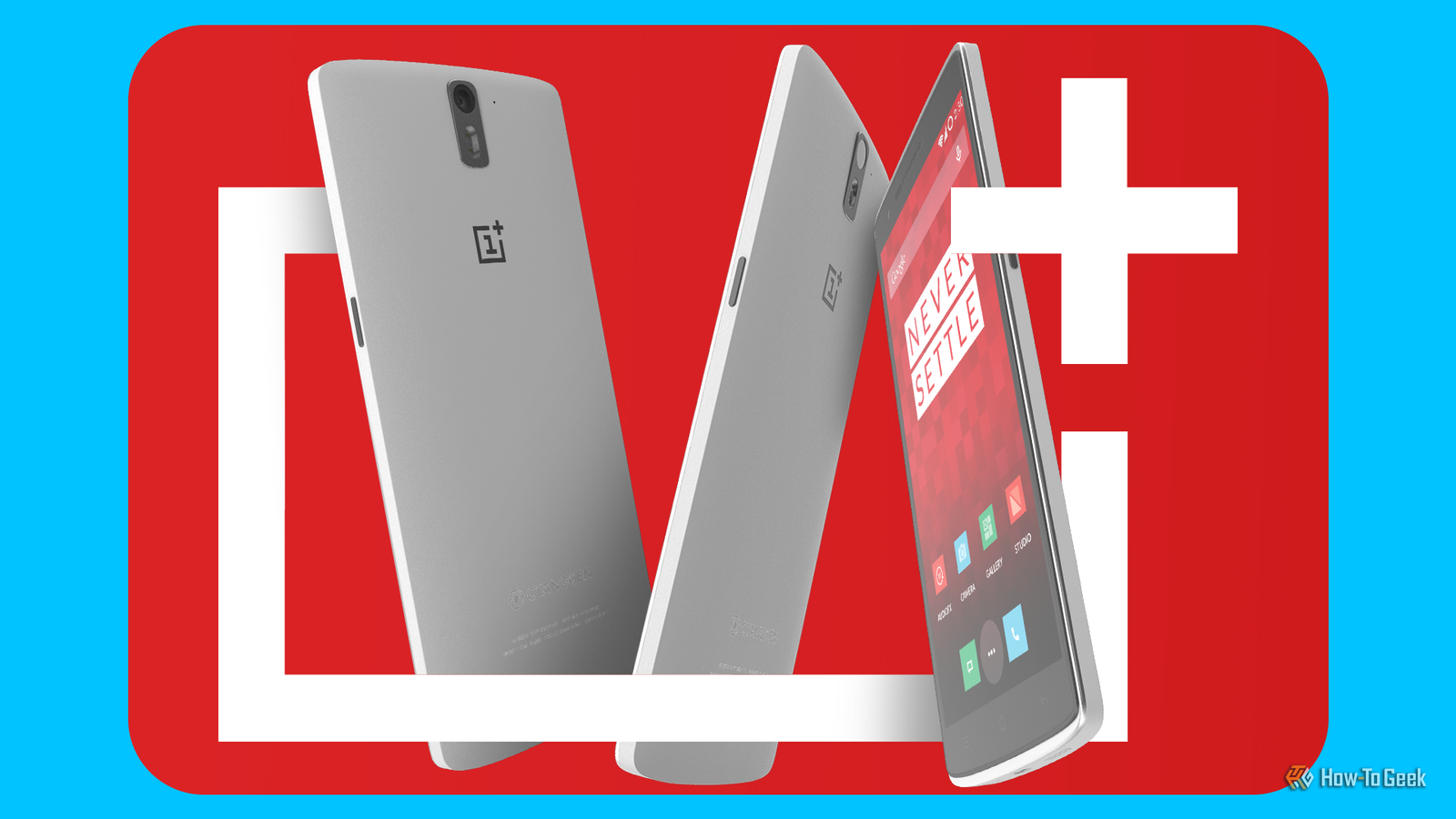
Back in the day, Android phones were a lot more daring. Companies experimented with all kinds of wild designs, features, and even pricing. Among all the phones that tried to stand out over the past decade, one captured the enthusiast fanbase like no other: the coveted OnePlus One.
The OnePlus One broke every rule and still succeeded
If you weren’t around when it happened, it’s almost impossible to describe just how hyped the OnePlus One was when it was first announced to the public in April 2014. The phone launched with a very simple premise—flagship-level specs at a mid-range price.
Back when phones like the Samsung Galaxy S5, HTC One M8, and LG G3 dominated the market in the $600 to $700 range, the OnePlus One launched at just $299.
While carrier prices for those other flagships were lower (often around $200), you could pay a little extra and get a fully unlocked phone without being tied to a contract.
Even that’s only part of the price story. The $299 price was for the 16GB variant, whereas the more desirable 64GB model was only $50 more at $349. That was practically unheard of, as other brands typically charged closer to $100 for a similar storage bump—for example, from 16GB to 32GB.
Credit: OnePlus
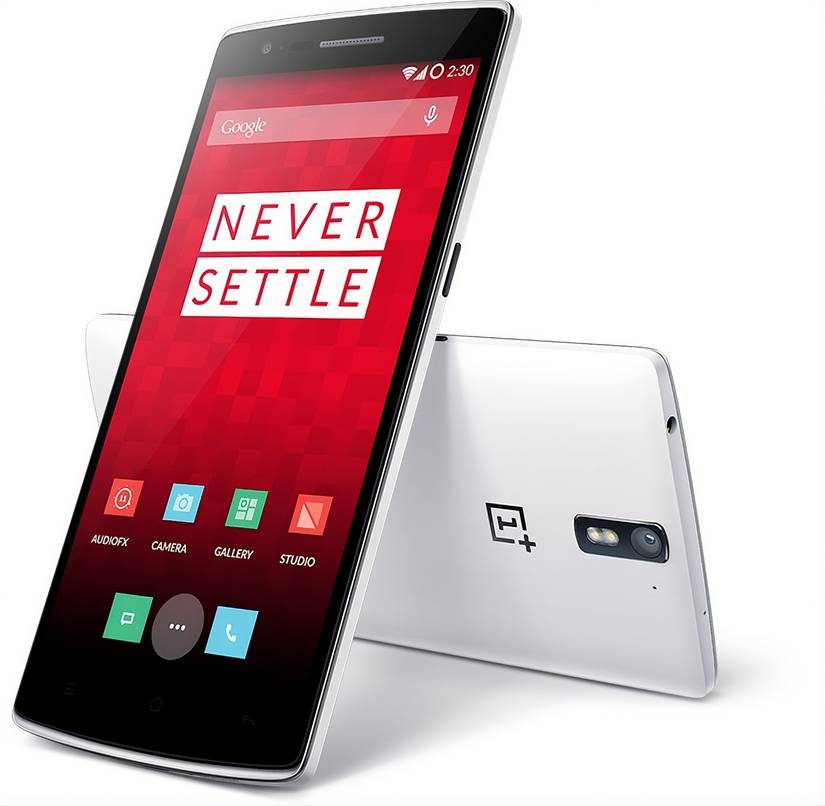
To keep costs this low, OnePlus obviously had to cut some corners. The phone lacked certain advanced features and gimmicks, like the HTC One M8’s stereo speakers, the LG G3’s 1440p display, or the Samsung Galaxy S5’s IP67 dust and water resistance, made possible by that annoying port cover.
The cameras weren’t exceptional, either. The main camera was serviceable but a tier below the flagships—a trend that seems to persist in OnePlus phones to this day.
There were a few other small things, like the lack of a microSD card slot, a non-removable back cover, limited LTE bands, and weak customer support, but when you saw the specs you got for the price, it all made sense.
Flagship specs for half the price
Credit: OnePlus | Internet Archive
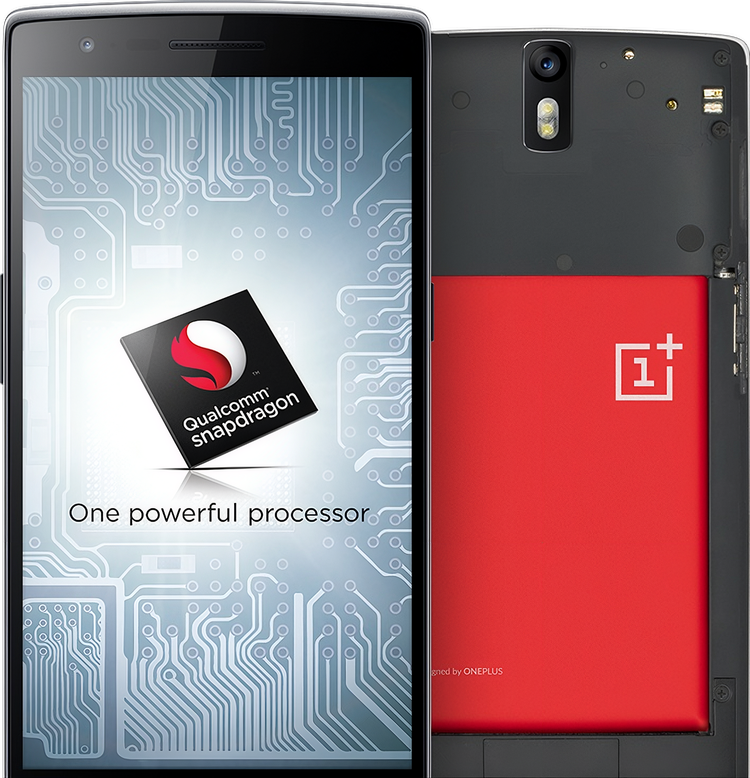
The phone’s real selling points were the Snapdragon 801 SoC paired with 3GB of RAM, a solid 1080p display, and a respectable 3,100mAh battery. Compared with the Galaxy S5’s measly 2GB of RAM and smaller 2,800mAh battery in a phone that costs twice as much, it was easy to see why the OnePlus One quickly became a no-brainer for enthusiasts.
This might sound crazy, but the hardware and price were only part of the story—the OnePlus One featured one of the best near-stock Android experiences of all time.
Related
The Dream of Stock Android is Dead, and That’s Okay
At least it brought TouchWiz to the grave with it.
To be more specific, it launched with the famous Cyanogen OS preinstalled (and even had a “Cyanogen” logo in the back).
You might remember that back in the day, Samsung had that horrible TouchWiz UI and came loaded with bloatware. Other vendors weren’t much better, and this was often a point of contention among enthusiasts.
Cyanogen on the OnePlus One was made possible thanks to a partnership between OnePlus and Cyanogen. It was Cyanogen’s attempt to commercialize the popular CyanogenMod ROM that many enthusiasts (including yours truly) would install on their Samsungs, HTCs, and other phones to improve the software experience.
This is something you didn’t have to do with the OnePlus One, though, as it already had some of the cleanest, fastest, and most reliable software in the world.
It was notoriously difficult to get your hands on
Credit: OnePlus | Internet Archive
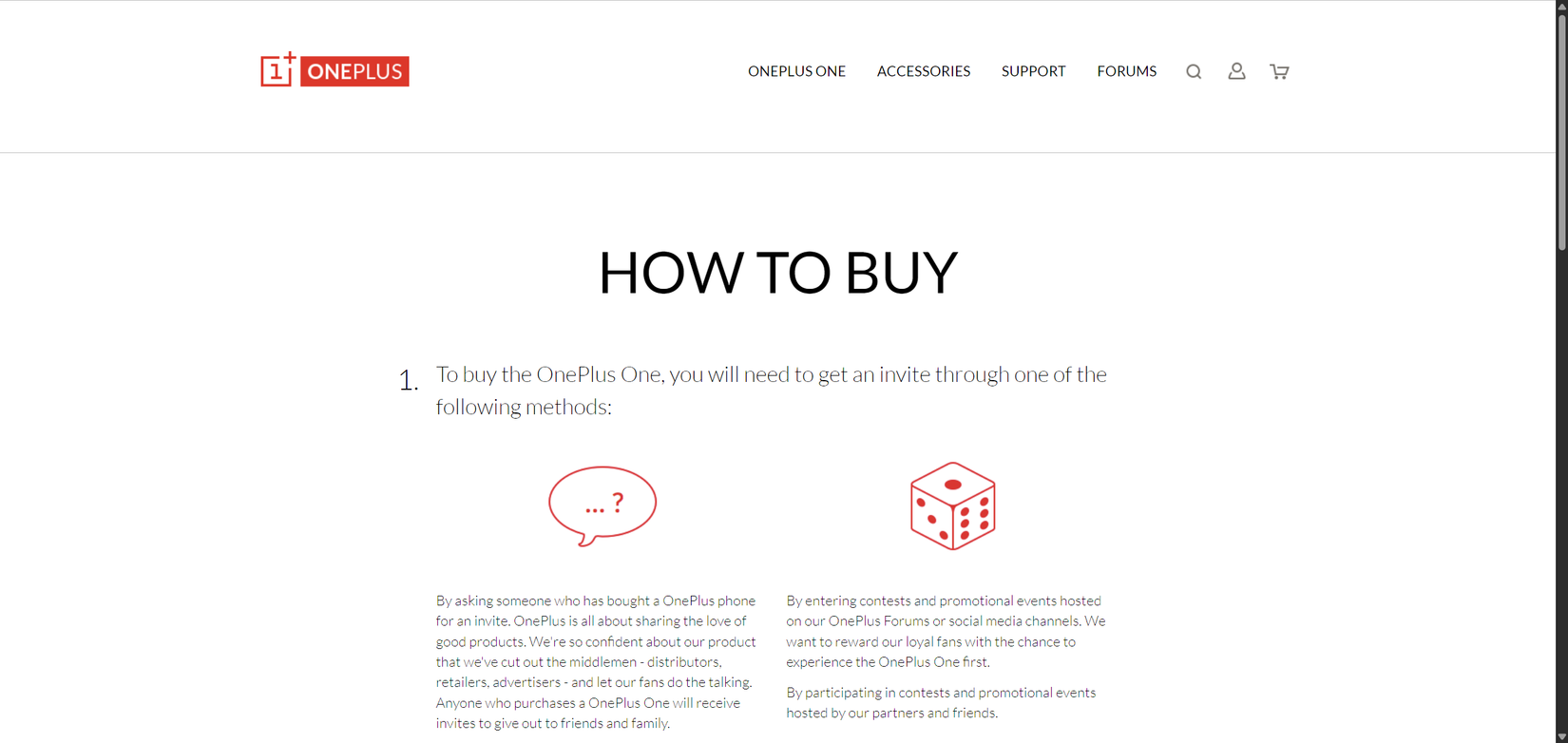
If you’ve never seen a OnePlus One in person, there’s a good reason for that—the phone was almost impossible to get your hands on.
It was sold through an invite-only system on OnePlus’s website, as demand far outpaced production. If you wanted to buy one, you first had to secure an invitation code.
This created a ton of hype online, which was fueled even further by the disastrous “Smash the Past” campaign. The promotion involved smashing your current (decent) phone to get a new OnePlus One for $1.
Thousands of people misunderstood the campaign and smashed their phones in hopes of receiving a free OnePlus before the event even started, and before anyone had actually been selected. Granted, this happened because people didn’t read the fine print, but even if everything had gone according to plan, it still created a lot of e-waste, something people were rightfully unhappy about.
The invite-only system stayed until the launch of the OnePlus 3, by which point OnePlus was hardly the same company anymore.
The phone made “flagship killers” a thing
Credit: Vivo / Realme / Xiaomi / Oppo / Huawei
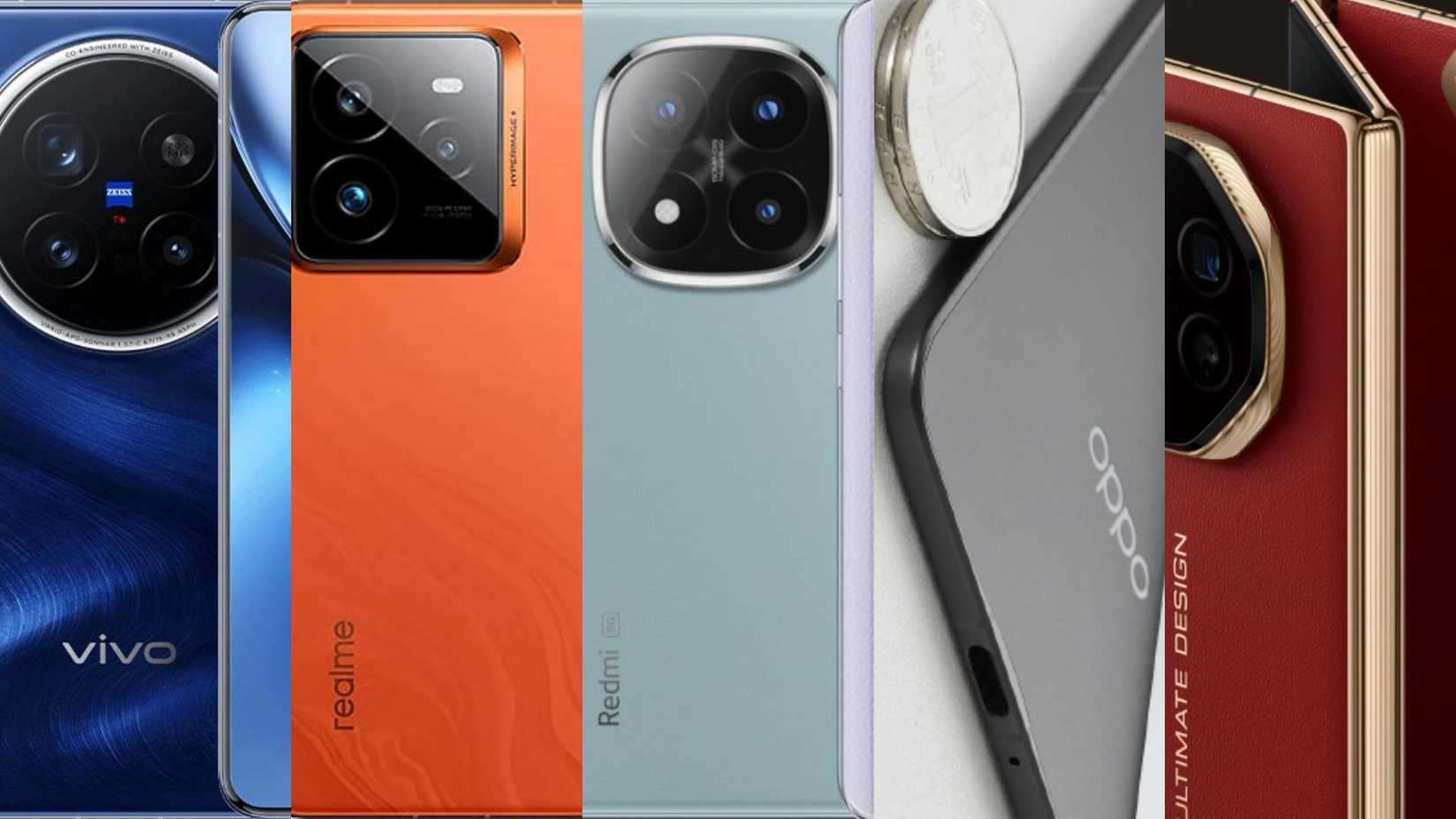
The term “flagship killer” wasn’t just a nickname for the OnePlus One—it was heavily marketed as such. The label was popularized by both reviewers and the company itself, and OnePlus continued calling its phones flagship killers for years to come.
In fact, the OnePlus One is widely credited with making the flagship killer concept itself mainstream.
What followed were numerous other phones from brands like Xiaomi’s Poco line, which followed the same idea of delivering flagship-level specs at aggressive prices. The term still comes up here and there, though its definition has shifted and evolved over time.
Related
The most powerful Android phones ever are here—but you can’t get one
Ultra specs, shockingly low price…and unavailable.
We’ll never see a phone like the OnePlus One again
Credit: Patrick Campanale / How-To Geek
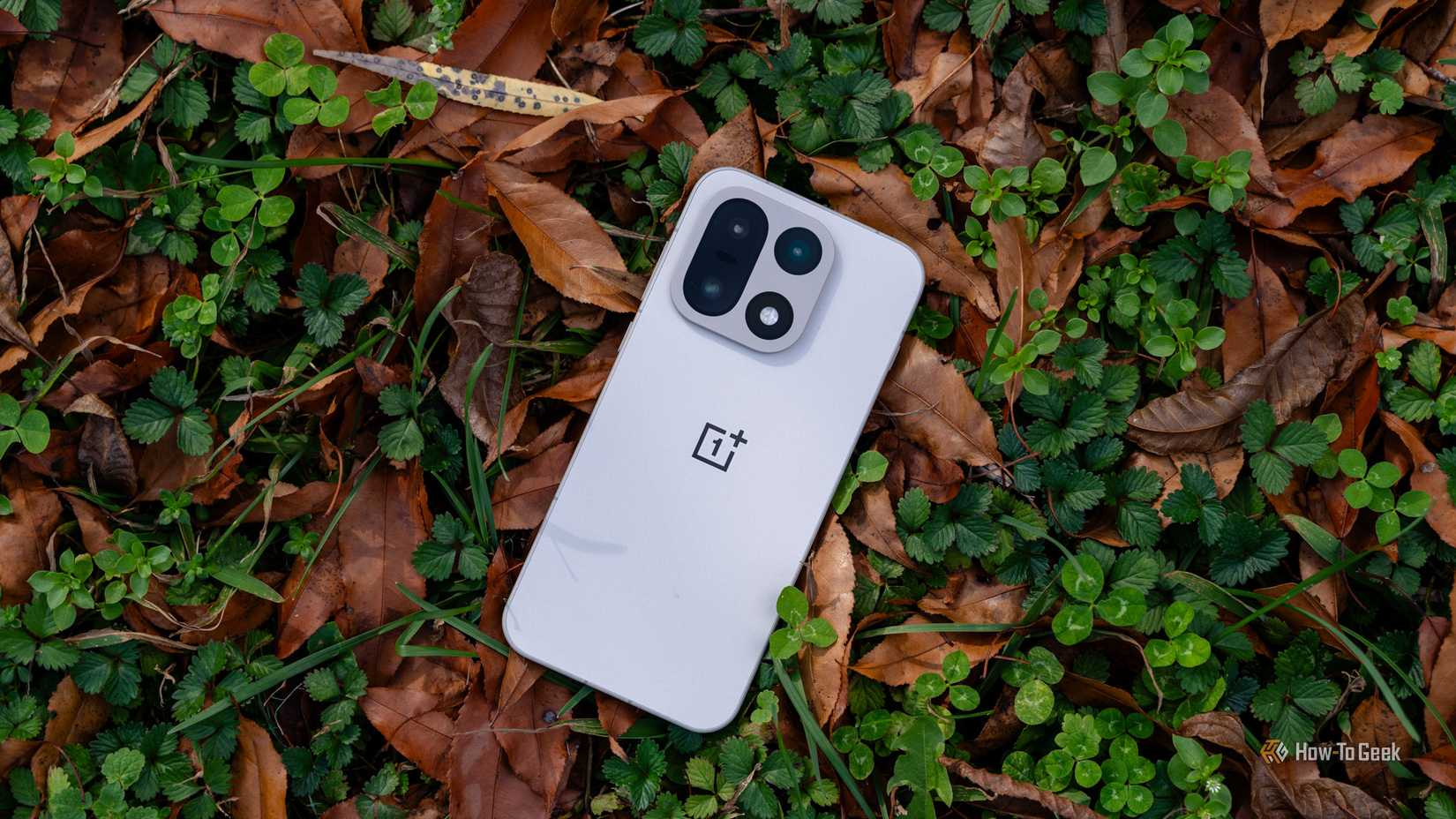
The OnePlus One was released in a completely different era. Back then, start-ups could launch a phone with flagship specs at half the price and still make a profit. However, as technology has evolved, phones have become much more complex and expensive to produce.
For instance, the Samsung Galaxy S25 launched at an MSRP of $800—and that’s with Samsung leveraging massive discounts thanks to scale, as well as producing several of its own components, including displays and memory/storage.
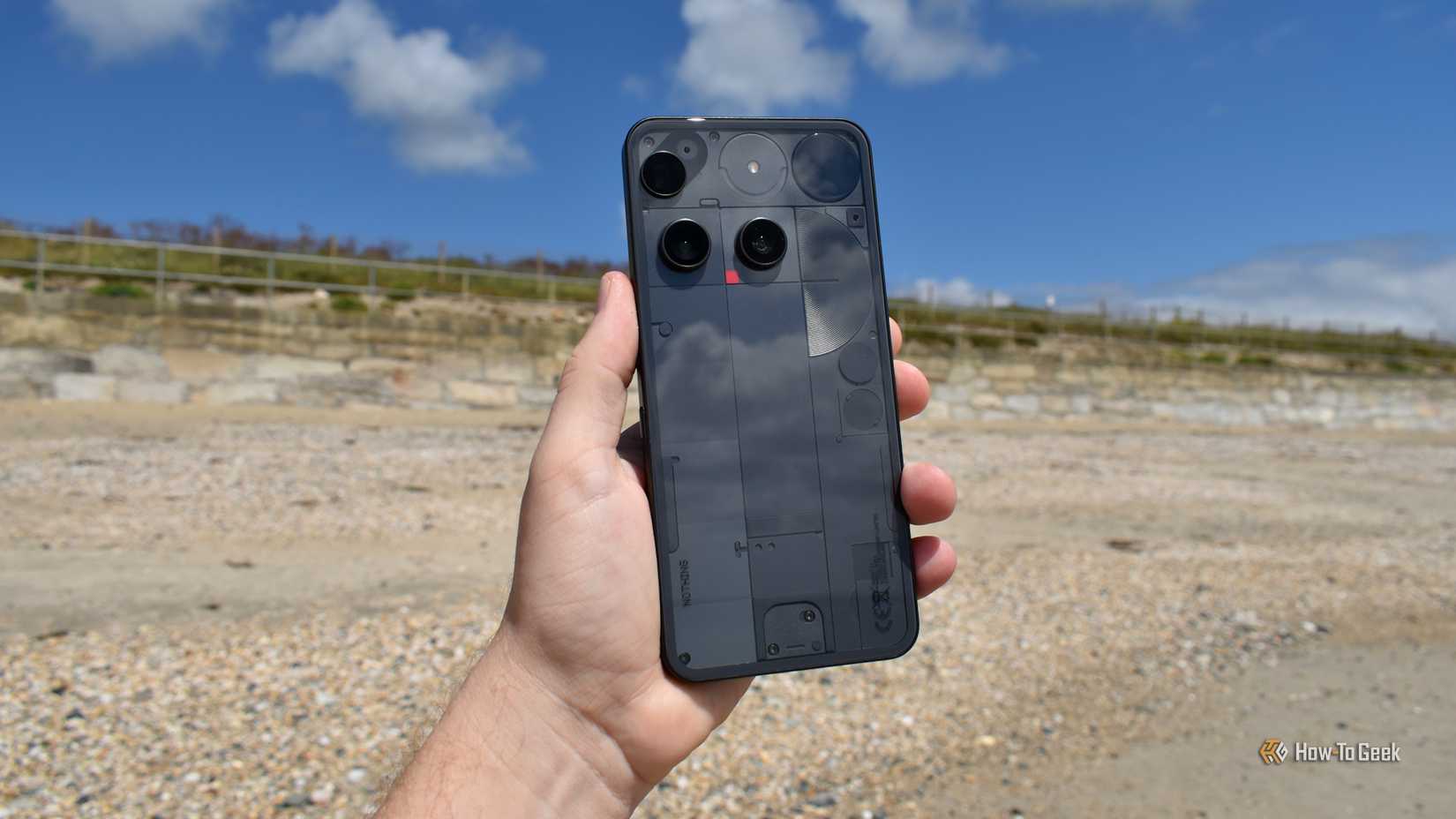
A small brand like, for example, Nothing can’t deliver the same level of performance, display, and other specs while also cutting costs in half and maintaining a healthy profit margin.
Credit: Gavin Phillips / How-To Geek
That’s why OnePlus slowly shifted in a completely different direction: releasing the most absurdly powerful phone they could while pricing it just below the top models like the Samsung Galaxy S25 Ultra to stay profitable.
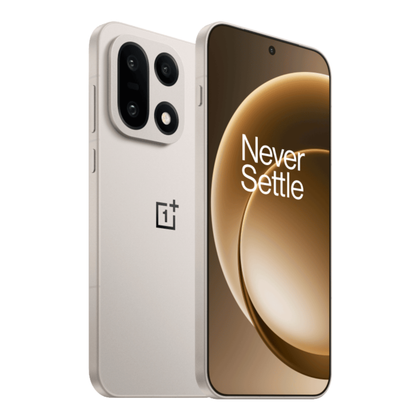
Today, the OnePlus 15 starts at $900, but its spec sheet is absurd: it’s one of the first phones with the Snapdragon 8 Elite Gen 5 SoC, packs up to 16GB of RAM, has a 165Hz display, a 7,300mAh battery, 100W fast charging, IP69K water and dust resistance, and a long list of other features that real enthusiasts care about.

9/10
SoC
Qualcomm Snapdragon 8 Elite Gen 5
Display
6.78-inch 2772*1272 (FHD+)
The OnePlus 15 features the latest Snapdragon 8 Elite Gen 5 SoC that enables gaming features never before seen on a smartphone. The 165Hz display is perfect for mobile gaming, and when not gaming, it runs at 120Hz, making it ideal for everyday usage. The triple camera array is pretty great, and the 7,300mAh battery lasts multiple days on a single charge.