
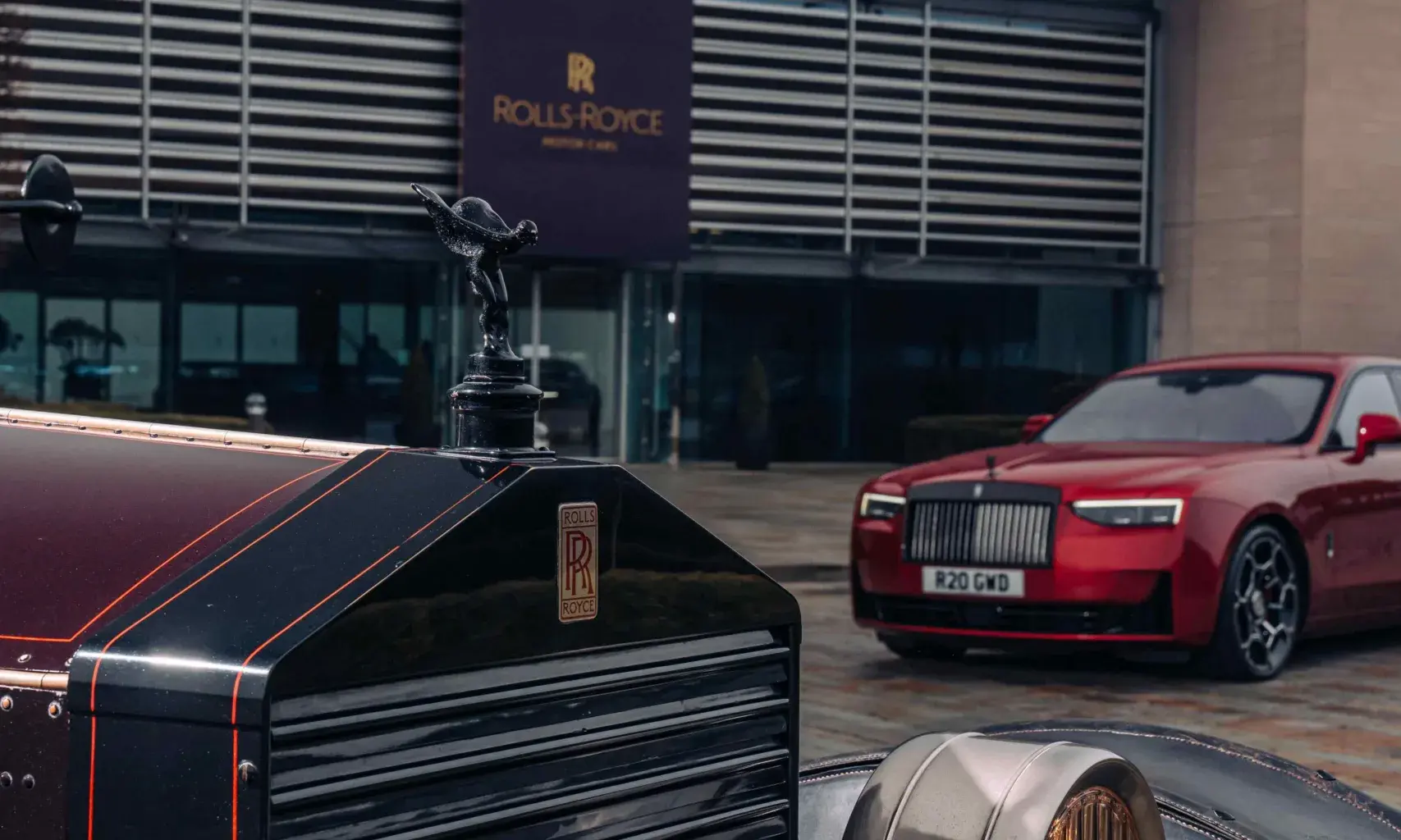
Rolls‑Royce Motor Cars is celebrating a milestone that reshaped the trajectory of modern luxury, the tenth anniversary of Black Badge, the brand’s daring alter ego that first appeared in 2016 and forever changed what a Rolls‑Royce could represent. More than a trim level or special edition, Black Badge became a philosophy, one that challenged long‑held assumptions about ultra‑luxury motoring and spoke directly to a new generation of unapologetic achievers.
Chief Executive Chris Brownridge captures this spirit perfectly: Black Badge was designed “to welcome a new generation of clients into Rolls‑Royce: individuals who express their success unapologetically and with conviction”. And with that ethos came a decade of measured, sustained growth for the marque, not just financially, but culturally, as Black Badge’s influence radiated throughout the wider luxury world.
Origins in Rebellion
While Rolls‑Royce is globally revered for craftsmanship, elegance and engineering excellence, it has always harboured a streak of rebellion. Its founders embodied this spirit: Sir Henry Royce overcame poverty and illness to become one of the greatest engineers in history, while The Hon. Charles Stewart Rolls abandoned aristocratic comfort for the thrill of early racing and aviation. They were disruptors before the word existed.
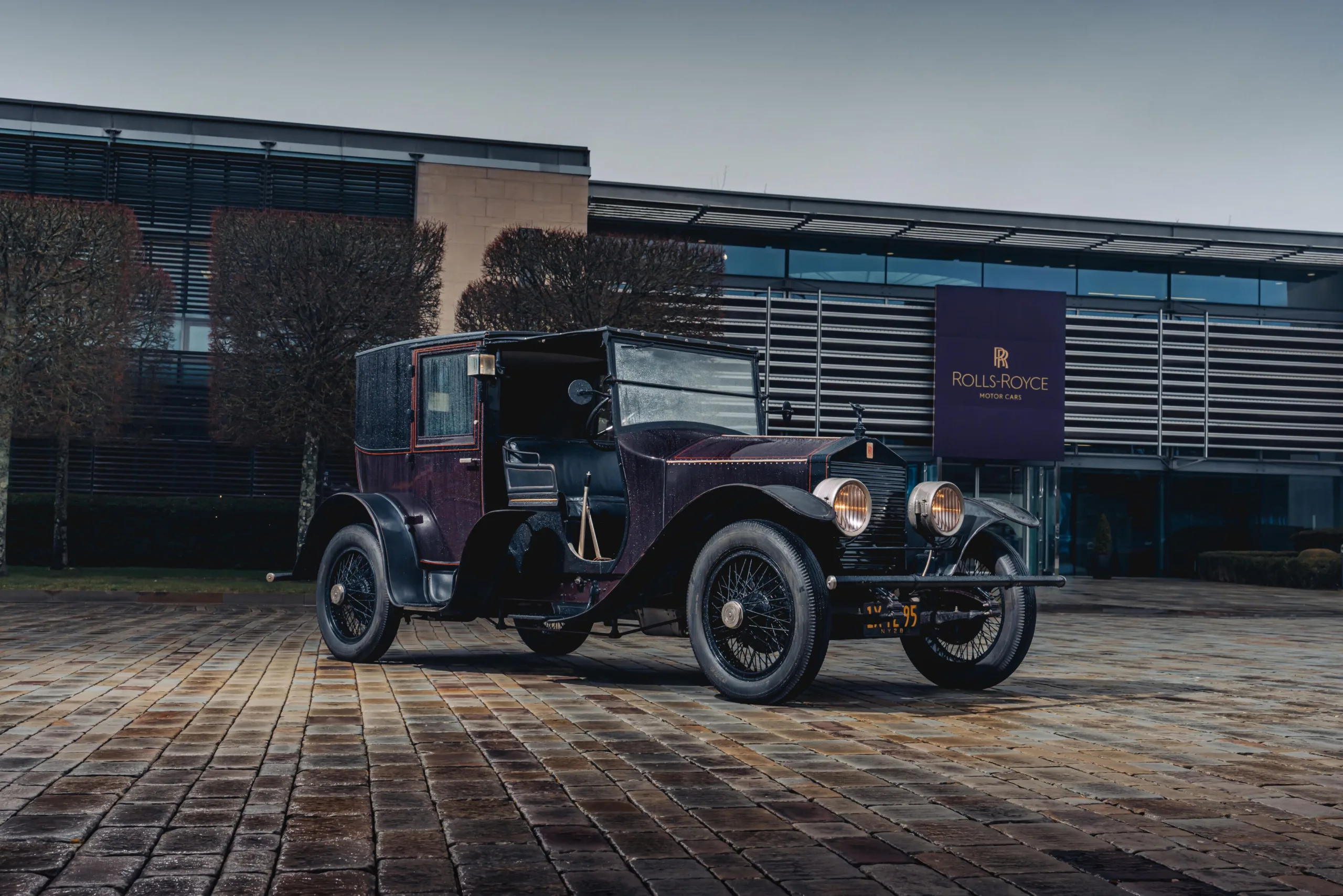
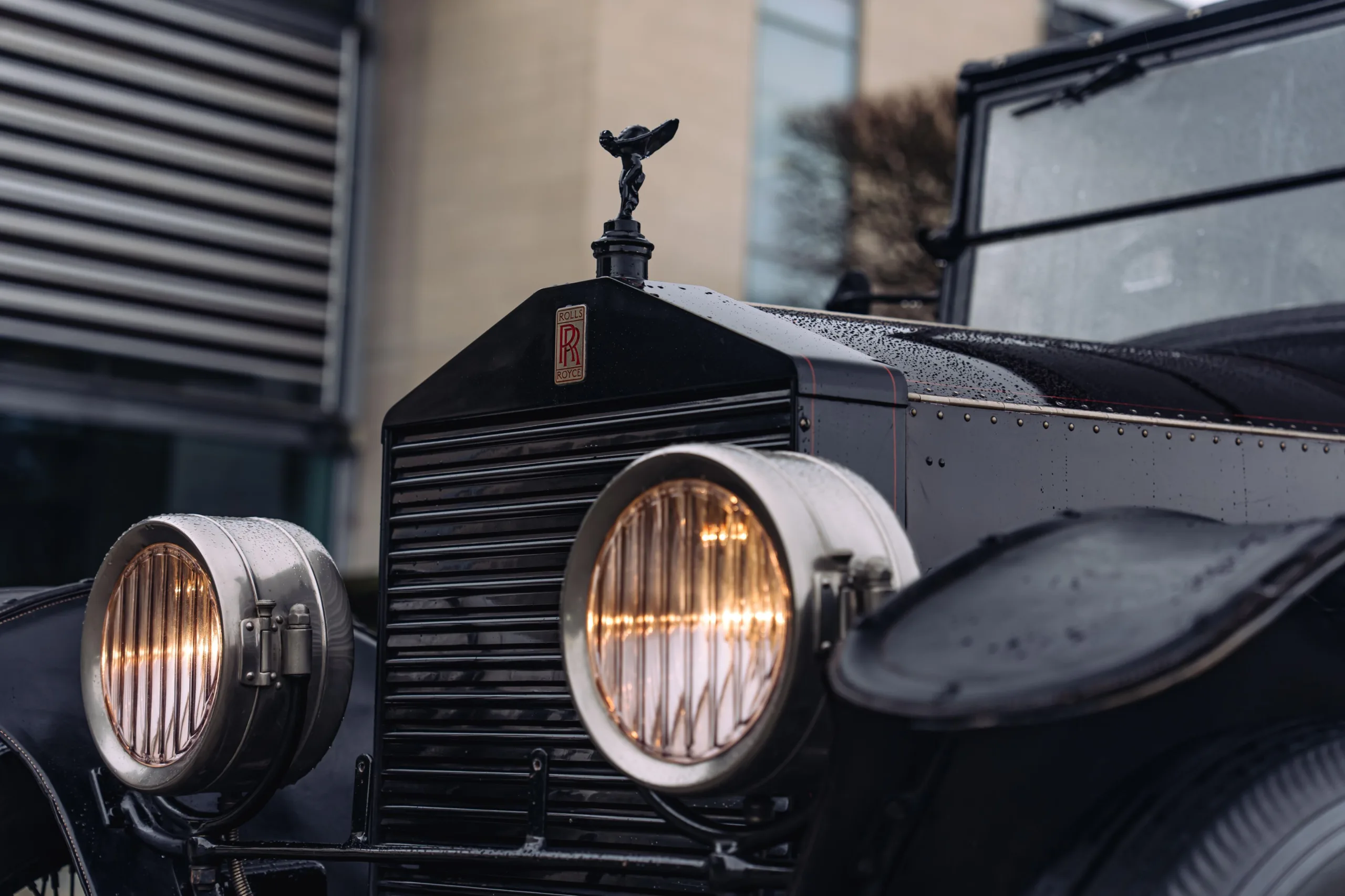
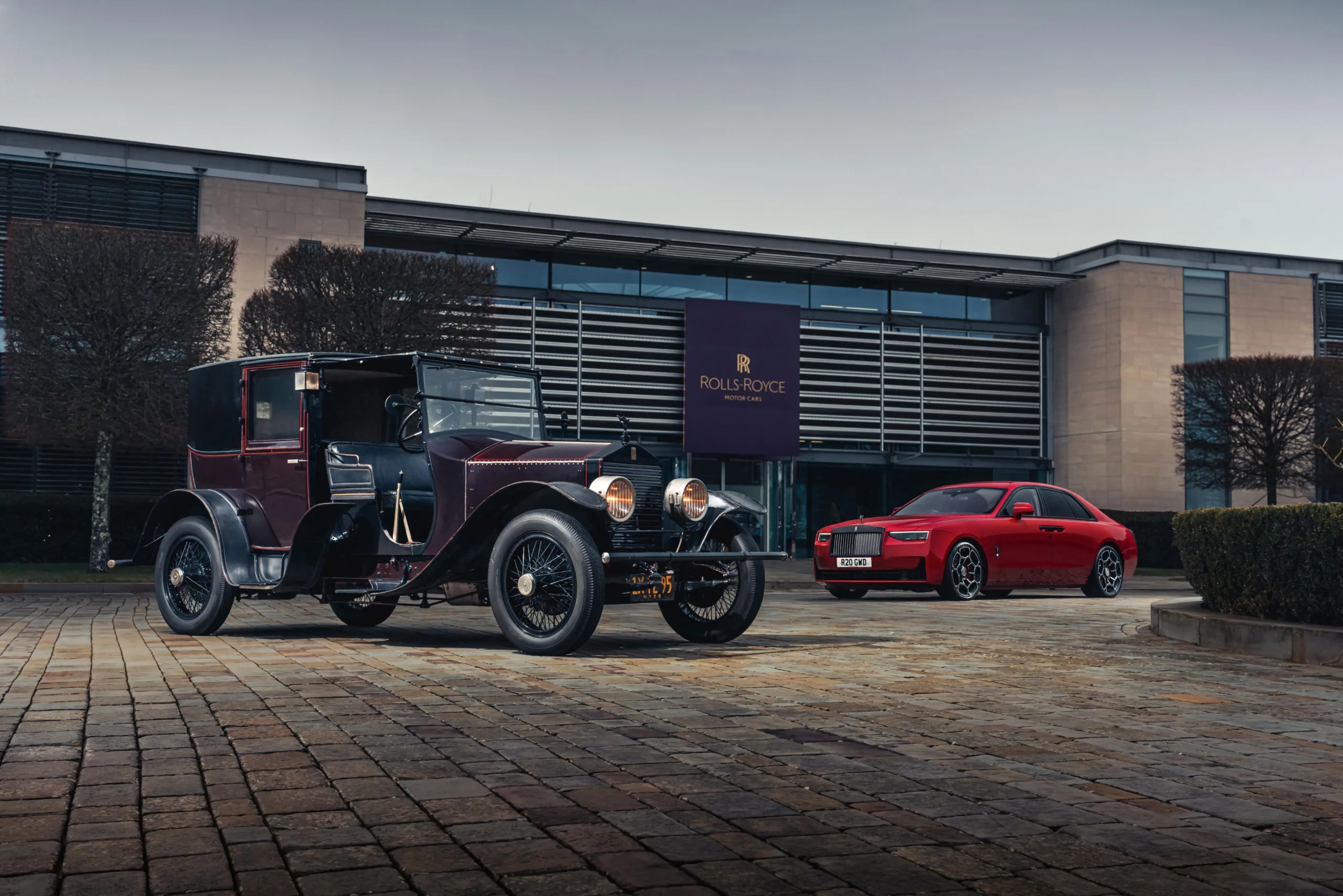
Surprisingly, the Black Badge lineage stretches back nearly a century. During a recent digitisation of the company’s archives, historians rediscovered a 1928 Rolls‑Royce 20 H.P. whose owner specified a black Spirit of Ecstasy and radiator grille, an audacious move in an era when bright chromium represented modern prestige. Commissioned by J.E. Aldred, a Rolls‑Royce of America financier and Art Deco enthusiast, this darkened aesthetic foreshadowed what Black Badge would later stand for: confidence, urban sophistication and a refusal to blend in.
Then, in 1964, came an icon: John Lennon’s all‑black Phantom V. Cloaked entirely in deep gloss black, including bumpers and wheel discs, it embodied defiance. Even its glass was tinted so heavily that Lennon described the effect as “You’re still in the club” even in daylight. Inside, black Bedford cord and black leather reinforced the motor car’s rebellious intent. Many today view it as the spiritual origin point for Black Badge.
A New Breed of Client
Half a century later, a new generation of young, wealthy entrepreneurs, often tech‑driven, globally connected and culturally assertive, began approaching Rolls‑Royce. These individuals celebrated the marque’s V12 power, imposing design and unrivalled craftsmanship, but wanted something more disruptive, something that reflected their speed, daring and creativity.
Designing a response required careful internal debate. Could Rolls‑Royce create a dedicated space for a darker, more intense expression without undermining its classical identity? The answer became Black Badge, a formidable alter ego built to coexist with, not replace, the brand’s traditional luxury.
Engineered Darkness
Black Badge ushered in one of the darkest blacks in the automotive world. Creating this finish involved atomising 45 kg of paint onto the body‑in‑white, oven‑drying it, applying two layers of clear coat and then hand‑polishing it for up to five hours to achieve the signature piano gloss. This level of craftsmanship was unheard of in series production, and set the tone for everything that followed.
Even the Spirit of Ecstasy and Pantheon grille were cloaked in black, not painted, but darkened through a specialised chrome electrolyte added to the plating process, yielding a one‑micrometre‑thick mirror‑black chrome finish. It became a defining hallmark of Black Badge.
But the transformation wasn’t merely visual. Rolls‑Royce re‑engineered its V12 models with bespoke tuning for more power and torque, revamped transmission and throttle calibrations, stiffened chassis setups, and a distinctive exhaust note that announced Black Badge’s arrival with authority. The recalibrated “Low” button accessed an additional power reserve, underscoring the vehicles’ driver‑focused intent.
Inside, the brand expanded into technical luxury, pairing darkened metalwork with aerospace‑inspired materials. Carbon fibre was reinterpreted as a decorative element, interwoven with fine aluminium threads and finished with six layers of lacquer cured for 72 hours. Even the iconic “eyeball” air vents were darkened using Physical Vapour Deposition to ensure long‑term durability and a deep, modern aesthetic.
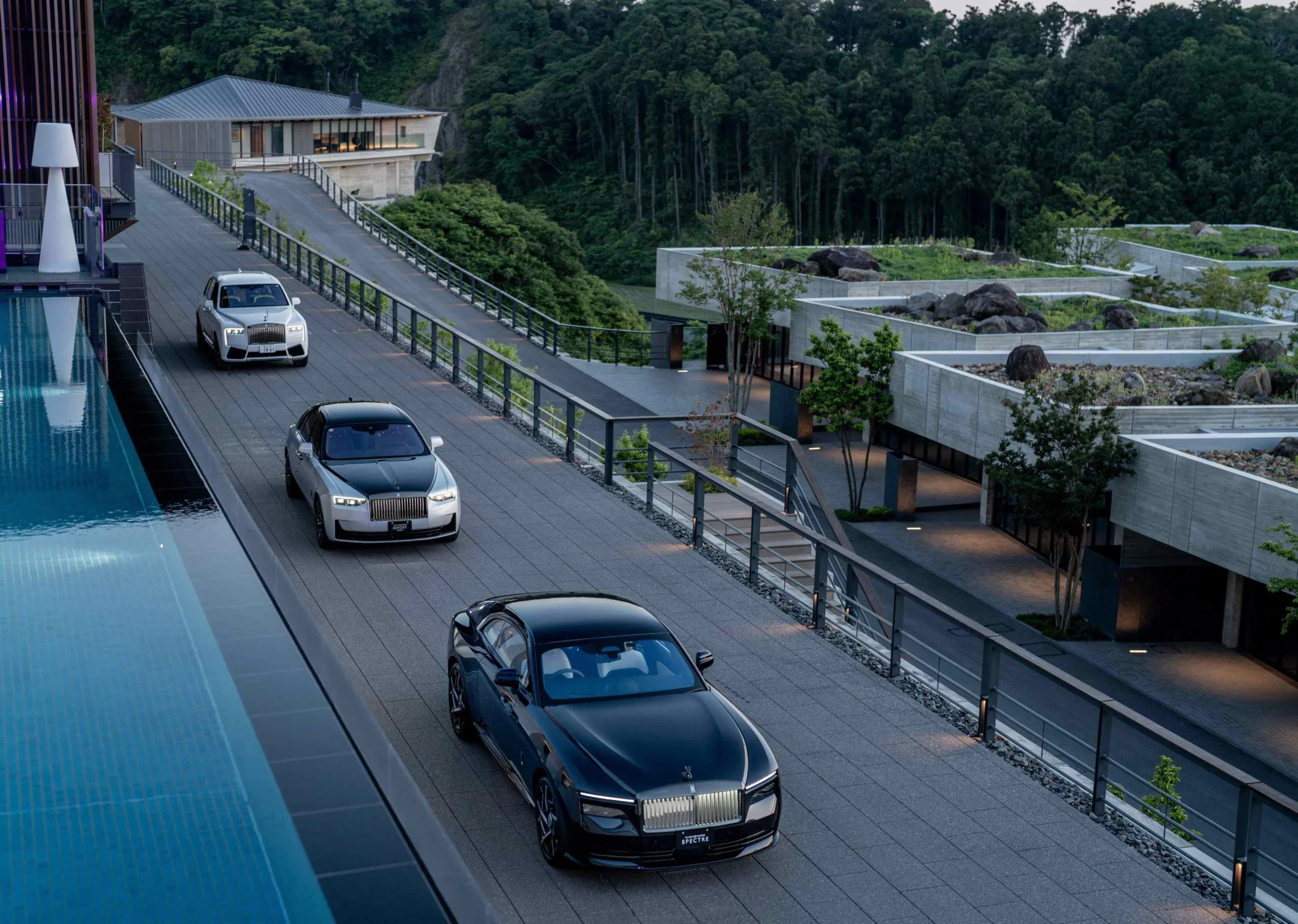
The Rise of the Black Badge Universe
Black Badge debuted in 2016 with Ghost and Wraith, immediately proving its merit. At that year’s Goodwood Festival of Speed, a Black Badge Wraith recorded one of the fastest runs ever by a Rolls‑Royce, outperforming several mid‑engined sports cars in the rain. The message was clear: Black Badge was not style over substance.
The portfolio expanded with Dawn in 2017 and Cullinan in 2019, each reflecting a vivid, individualistic approach. While black was the signature colour, many clients opted for bold hues inspired by Australia’s green tree frog, the Hawaiian ‘Ōhi‘a lehua, and even an iridescent butterfly, Rhetus periander.
As the movement grew, Rolls‑Royce curated experiences around Black Badge, night‑time runway drives, underground music venue takeovers, industrial‑themed handovers, each designed to mirror the brand’s defiant spirit.
The introduction of Black Badge Spectre, the fully electric ultra‑luxury coupé’s alter ego, was the inevitable next chapter, with clients already eagerly awaiting its arrival.
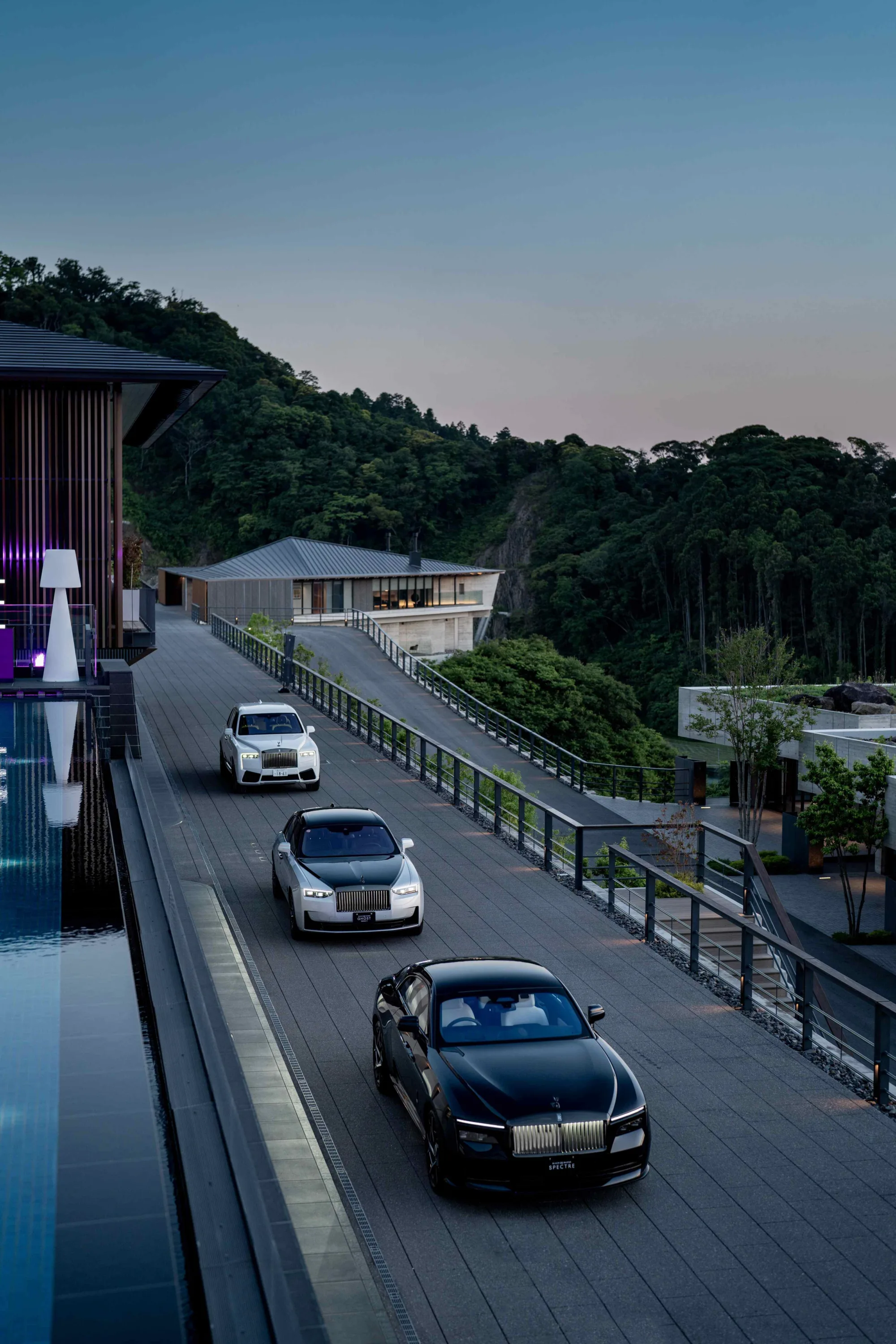
A Legacy Ten Years in the Making
Today, Black Badge stands as more than a design language; it is a cultural force. Its influence can be seen across gaming, streetwear, art and architecture, industries that thrive on boldness and expression. Rolls‑Royce didn’t simply create darker cars; it created a new definition of modern luxury.
Our own Black Badge experience: