
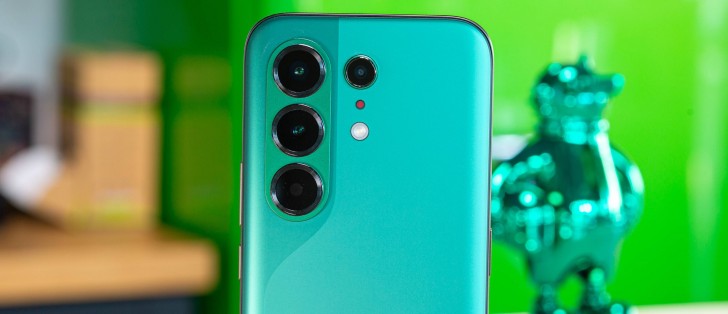
The Tecno Camon 50 Ultra 5G features a 6.78-inch AMOLED screen with 1208 x 2644 pixels or 429ppi. It supports 144Hz refresh rate, 2160Hz PWM dimming and HDR10+ streaming.
The panel is protected by a Gorilla Glass Victus 2.
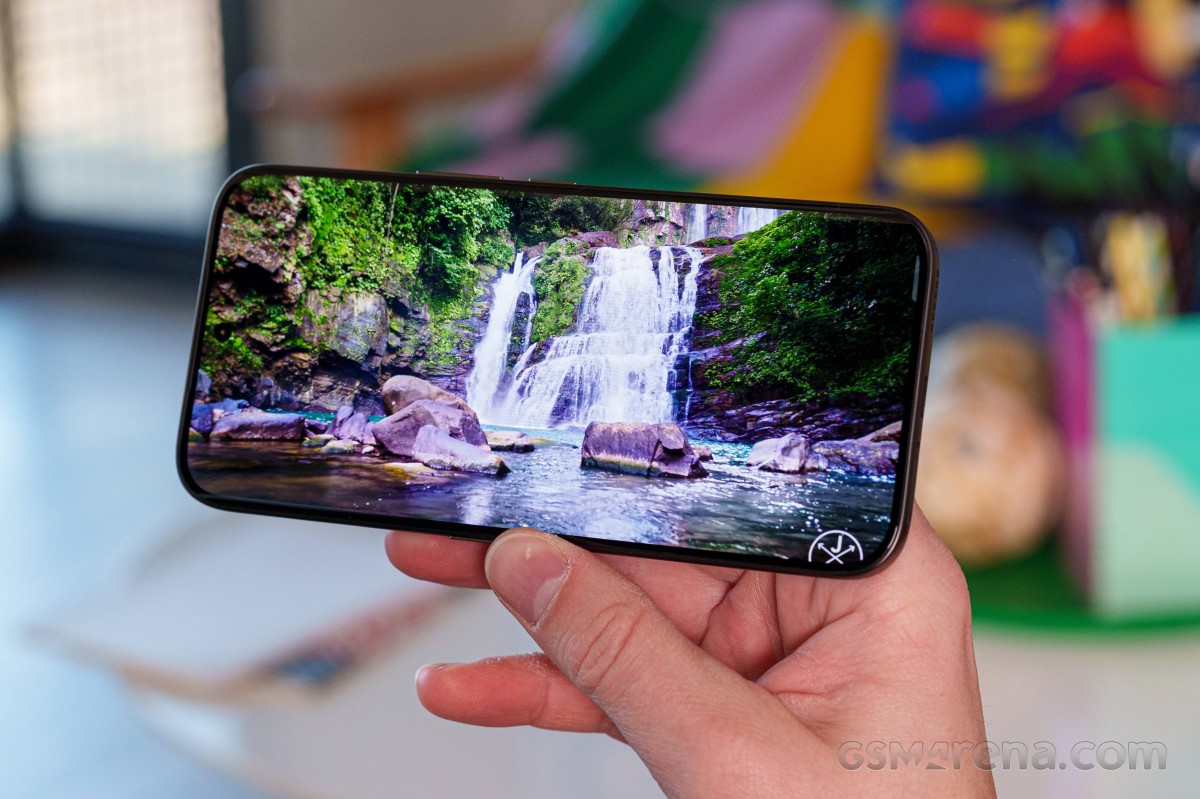
The display settings contain a toggle called High Brightness Mode. It is independent from the Automatic Brightness. When turned OFF – the maximum automatic brightness is equal to the maximum manual one – 735 nits.
When the HBM mode is turned ON – the maximum manual brightness remains 735 nits, but when faced with a bright light – the screen will light up as high as 1,302 nits. That is also the same number we got when measuring the maximum automatic brightness with HBM ON.
The peak brightness we captured at a 10% white patch was 1,667 nits.
The minimum brightness on a white screen was just 2.4 nits.
We are impressed with the consistency this screen demonstrated across the different modes. Plus, the brightness numbers are very good across the board, which is even better!
The gallery apps supports AI XDR 2.0, which is a fancy term for Android HDR boost. The brightness levels here are different when XDR picture is enabled (On by default). For example, the maximum manual and auto brightness are equal at 1,138 nits, while the peak brightness reached the impressive 2,394 nits.
Refresh rate
The Tecno Camon 50 Ultra 5G supports up to 144Hz display refresh rate. There are three refresh rate modes in the Settings menu – Auto Switch, Standard, and High.
Naturally, Standard offers a fixed refresh rate of 60Hz.
Auto Switch uses 120Hz for the UI, the system apps, but dials down to 90Hz and more often to 60Hz for most apps and idle content.
High allows most apps to go 90Hz and a limited selection – up to 120Hz. The UI still uses 120Hz and 60Hz for idle screens. When using this High mode, you gain access to the Custom refresh rate for apps – here you can force all compatible apps to use 120Hz. The only compatible apps with 144Hz refresh rate, also chosen from this menu, were Facebook, Instagram, Files, Phone, Messages, and Settings.
So, even if the screen does support 144Hz, unless you specifically force it on those handful of compatible apps, you will never really see it.
HDR and streaming
The Tecno Camon 50 Ultra 5G is HDR10 certified and recognized by the hardware scanning apps. YouTube does serve HDR content successfully. But Netflix offers 1080p streaming only in standard definition, unfortunately.
The Tecno Camon 50 Ultra is powered by a 6,500mAh battery. The phone scored an Active Use Rating of 16:00 hours, an incredibly strong one by our book. It aced all of our tests, and we are especially impressed with the video streaming and gaming longevity.
The Tecno Camon 50 Ultra 5G supports up to 45W fast wired charging. The phone ships with such a charger as part of the retail package.
Naturally, we used this power adapter for our charging speed test.
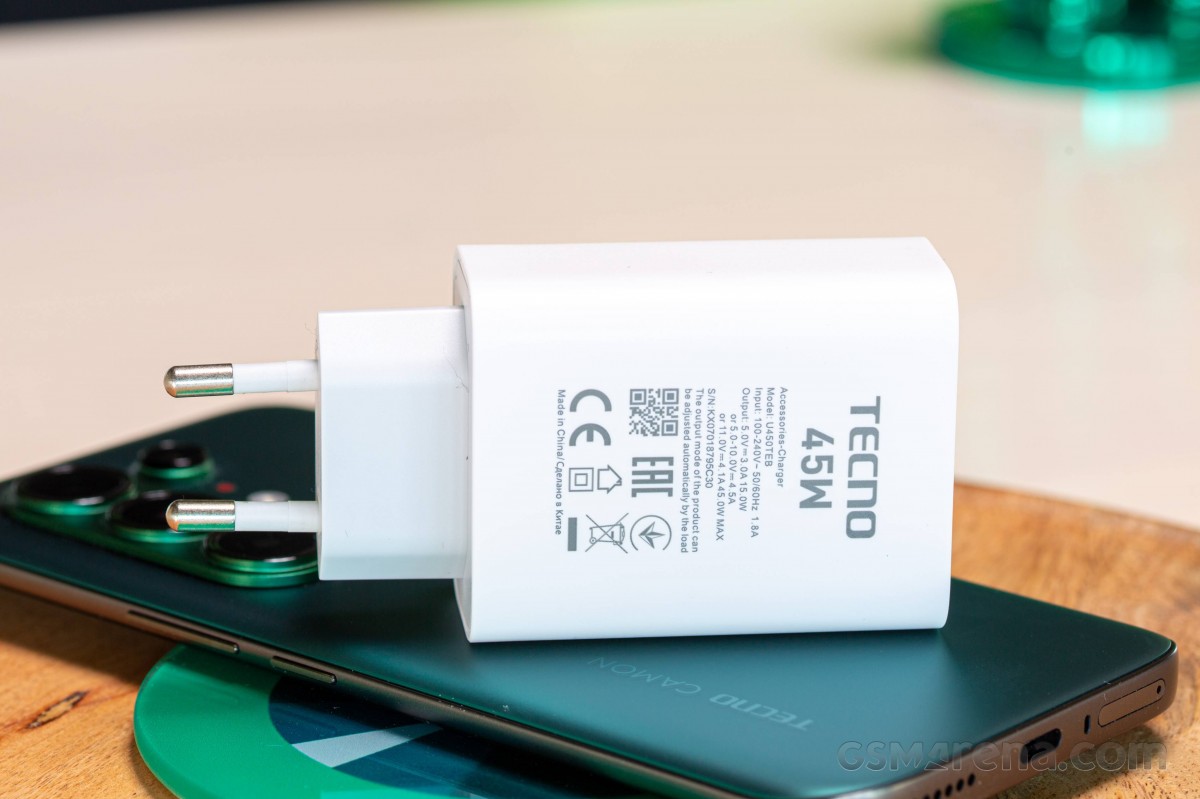
The 45W Tecno adapter recharged 22% of the dead battery in 15 mins and reached 42% after another 15 mins.
A full charge took 80mins sharp, which is not bad considering the large battery capacity.
In terms of battery protection features, Tecno offers Bypass Charging option, AI Charging protection (based on your routine), and Custom Charging Protection (setting a charge limit between 80% and 95%).
Reverse wired charging is supported, too.
Speakers – loudness and quality
The Tecno Camon 50 Ultra 5G features two stereo speakers with support for Dolby Atmos. The bottom speaker is louder and richer, while the top one is the earpiece pulling a double duty with a quieter but balanced output.
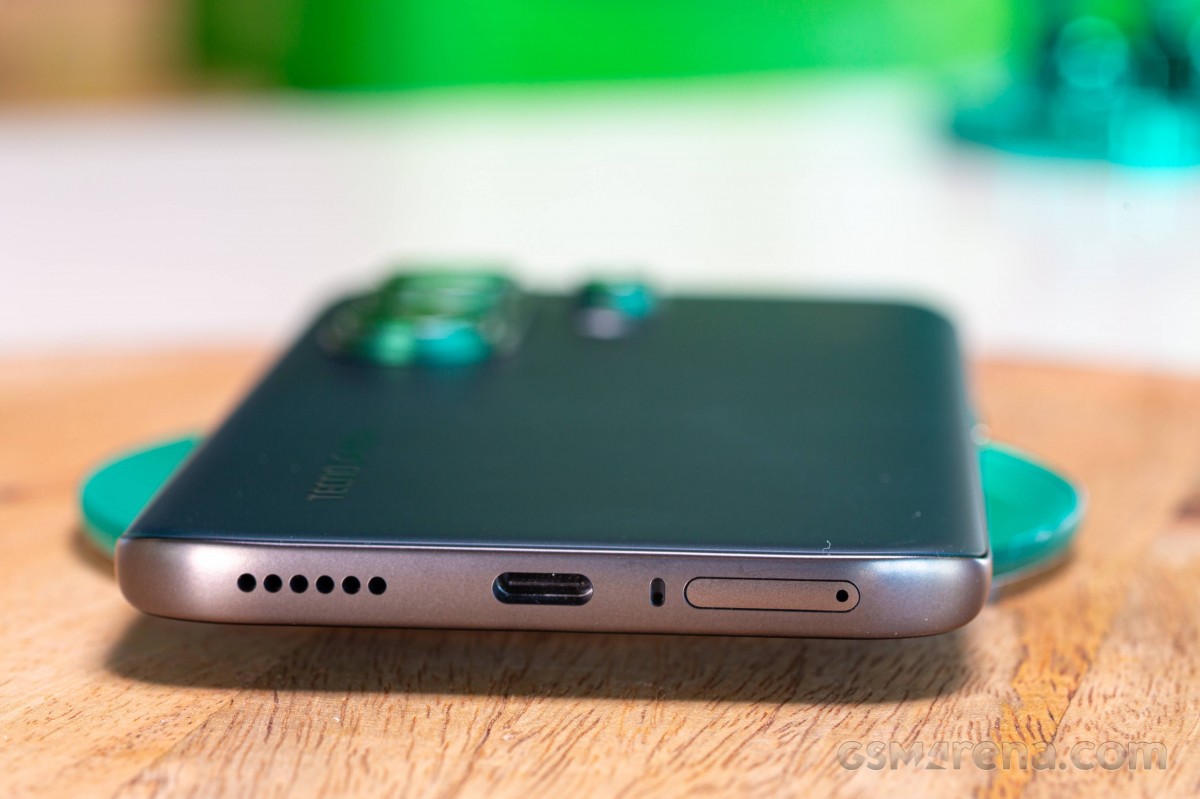
The speakers scored a Very Good mark on our loudness test. The quality is average and the sound is shallow – the vocals are great, but the bass is minimum and the high frequency range could have been richer.
Use the Playback controls to listen to the phone sample recordings (best use headphones). We measure the average loudness of the speakers in LUFS. A lower absolute value means a louder sound. A look at the frequency response chart will tell you how far off the ideal “0db” flat line is the reproduction of the bass, treble, and mid frequencies. You can add more phones to compare how they differ. The scores and ratings are not comparable with our older loudspeaker test. Learn more about how we test here.