
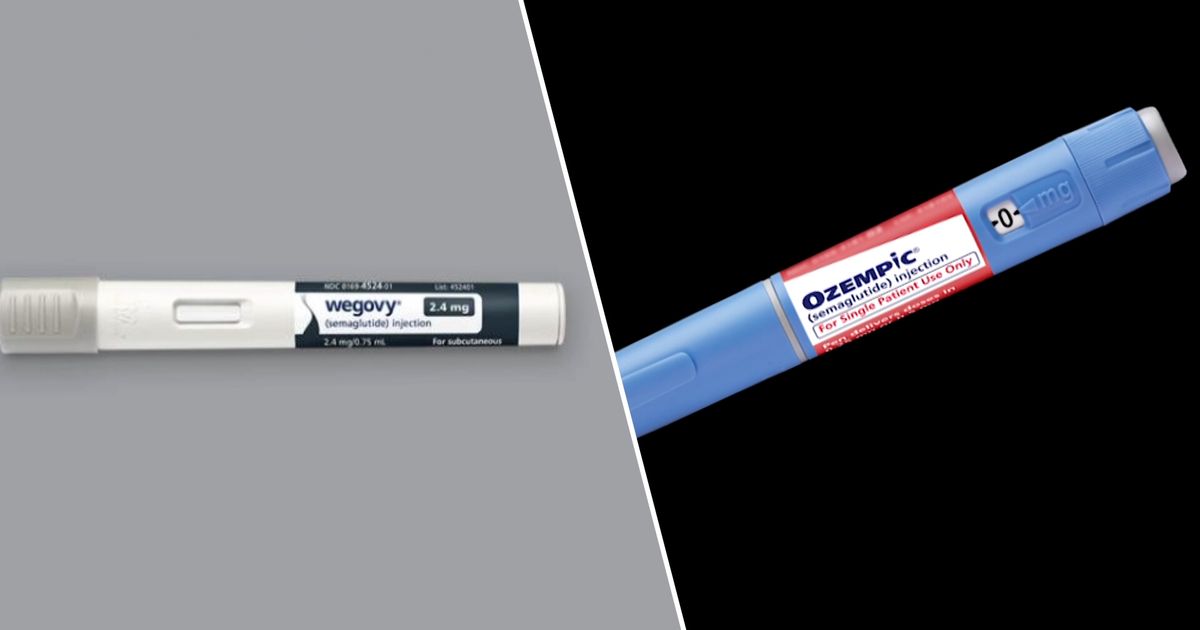
North Carolina Poison Control is warning GLP-1 drug users to use caution when taking the medication.
Poison control said last year it averaged one to two calls a day about GLP-1 drugs with 80 percent of those calls involving a mistake when administering the drug.
Common mistakes include:
When someone takes the wrong amount of the drug.When someone takes doses too close together. When the wrong family member receives the medication.
GLP-1 drugs, which are used to treat diabetes and obesity, have seen a surge in popularity in the last few years.
Common GLP-1 drug brand
names include Ozempic, Wegovy, Trulicity and Mounjaro. They are available in tablet form or through injections.
Most cases Poison Control has handled about the improper use of GLP-1s have had mild
outcomes, but the group wants to ensure people are aware of the dangers of GLP-1 poisoning.
Symptoms of GLP-1 poisoning can include nausea, vomiting,
diarrhea and stomach pain.
“People should be informed, not fearful, about GLP-1
medications,” said Dr. Michael Beuhler, Medical Director of NC Poison Control.
“Make sure you understand the dose and possible complications with your
healthcare provider and clarify about how to measure and self-administer the
medication to avoid an overdose.”
To
prevent a GLP-1 medication poisoning, NC Poison Control
recommends:
Read the label carefully before administering the medication to ensure you are dosing the correct amount. Starting and maintenance doses are different.
Know when to take the medication. Some GLP-1 medications are daily. Some are weekly. Have a regular routine for self-administration.
Don’t take more of the medicine than prescribed to fast-track results. It could make you sick.
Remember, GLP-1 drugs aren’t interchangeable. Make sure you only take medication prescribed to you.
The FDA warns the public about the dangers associated with GLP-1 drugs
obtained through online compounding pharmacies. Compounding involves altering or combining ingredients to customize a medication. Compounding occurs
during drug shortages or if a patient is unable to take an FDA approved
medication (often due to allergy or an incompatible formulation).
Compounded
GLP-1 drugs are not evaluated by the FDA for safety or effectiveness. The FDA urges people to avoid
purchasing GLP-1 drugs from online retailers, especially when you do not know
the identity of the compounder and because the drugs have not been shown to
meet FDA quality standards.
Anyone concerned about symptoms from a GLP-1 medication can call NC Poison Control at 1-800-222-1222 or chat at www.NCPoisonControl.org.