
Tim Hodgson, Minister of Energy and Natural Resources, joins BNN Bloomberg to discuss how to position Canada as an energy superpower.
Critical minerals are the strategic “cards” Canada holds, differentiating it from the rest of the world within the emerging global order, says Canada’s energy minister.
He says using those cards means keeping the value chain at home and Canada is already expanding its infrastructure to shift critical mineral processing within its boundaries.
“We are moving at speeds not seen since World War Two,” Tim Hodgson, Minister of Energy and Natural Resources told BNN Bloomberg at the PDAC convention in Toronto.
“This is our moment to shine.”
He says Canada needs to thrive in a world where hegemons like China, who dominate the market for critical mineral processing, are not able to have the “weak do as they must.”
“We can never be in that situation,” says Hodgson.
“Secure, critical mineral supply chains is national security. Is sovereignty, and we have that.”
During the PDAC 2026 convention, Hodgson announced 30 new federal partnerships with 12 allied countries under the Critical Minerals Production Alliance (the Alliance). He says the deal will lead to $12.1 billion in spending on mining and processing projects in Canada.
The Alliance was started by Prime Minister Mark Carney last year to ensure allies aren’t dependent on risky foreign suppliers, like China, for essential minerals. In total, The Alliance is moving approximately $18.5 to Canada’s mineral sector.
Keeping mineral processing at home
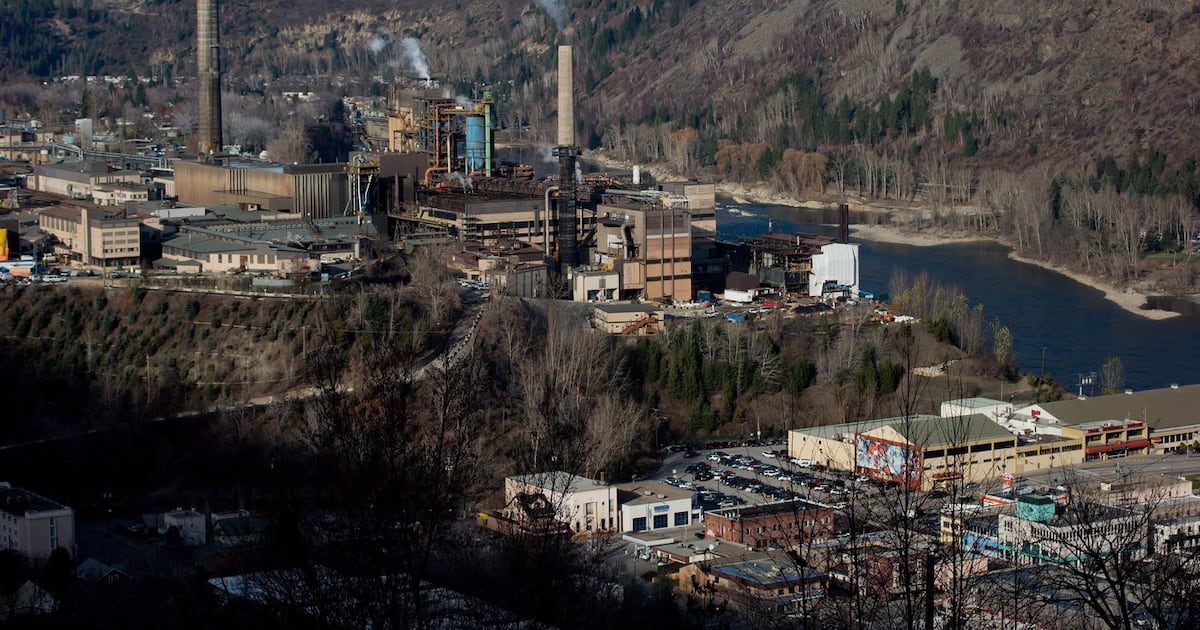
Hodgson says while many counties around the world closed their smelters, Canada is reinvesting in its unused smelters to focus on value-added processing.
“We’re taking advantage of core Canadian technologies around how to extract some of the critical minerals the world so desperately needs from our copper smelters, from our zinc smelters, from our nickel smelters,” says Hodgson.
He says the Canada Growth Fund helps private companies get back on their feet to prove their technology so it can be sold to the rest of the world. Right now, he says the government is helping with processing facilities for the Crawford Nickel Project in Timmins, Ontario, and for Foran Mining’s copper project in Saskatchewan.
“We’re doing work with some of the other refiners of heavy rare earth metals that is going to differentiate Canada and put cards in our hand,” says Hodgson.
He says the $1.5 billion First and Last Mile Fund (FLMF) and $2 billion Critical Minerals Sovereign Fund are all tools to make sure Canada leads in the process of critical minerals by creating infrastructure to allow processing to happen.
“What I’m finding is that the folks in Natural Resources Canada are rising to the challenge,” says Hodgson.