
As the planet edges closer to irreversible damage, wild animals around the world are staging their own secret fight against climate change and biodiversity loss.

ADVERTISEMENT
ADVERTISEMENT
Despite repeated warnings from scientists, humans continue to choke the atmosphere with heat-trapping gases – increasing global temperatures by around 1.4℃ compared to preindustrial levels. This has triggered frequent bouts of extreme weather, caused thousands of preventable deaths, and sparked trillions of Euros in damages.
Human activity such as deforestation and extensive animal agriculture has also wrecked biodiversity, pushing many species towards extinction.
But behind the scenes, wild animals are using their natural behaviour to help mitigate some of the turmoil we have created. Without them, the future prosperity of our planet is in peril.
To mark World Wildlife Day (3 March), Euronews Green is highlighting the hidden work of these superhero-esque animals.
“Wild animals have a crucial role to play in addressing climate change, so it’s essential that policies are implemented to improve their welfare while safeguarding and restoring their populations,” says Ed Goodal, a climate policy specialist at the World Federation for Animals.
“Protecting wildlife and their habitats is more than just a moral obligation, but is the missing link in tackling the greatest challenge of our time.”
Carbon-storing elephants and tigers
Large herbivores such as elephants play an important role in ecosystems and biogeochemical cycles.
A 2019 study published in the science journal Nature found that the reduction of forest stem density due to the presence of elephants in Africa’s rainforests changed the competition for light, water and space among trees. Researchers say these changes favour the emergence of larger trees with higher wood diversity, which can suck carbon from the air.
According to WWF, it’s estimated that just one forest elephant can increase the net carbon capture capacity of a forest by almost 250 acres. This is the equivalent of removing a year’s worth of emissions from 2,047 cars from the atmosphere.
A study from last year, which was published in Wiley, found that forests with native tigers tend to store up to 12 per cent more carbon per hectare. This is due to tigers hunting deer and wild boar, which would otherwise prevent trees and plants from growing.
Digging mammals improving soil
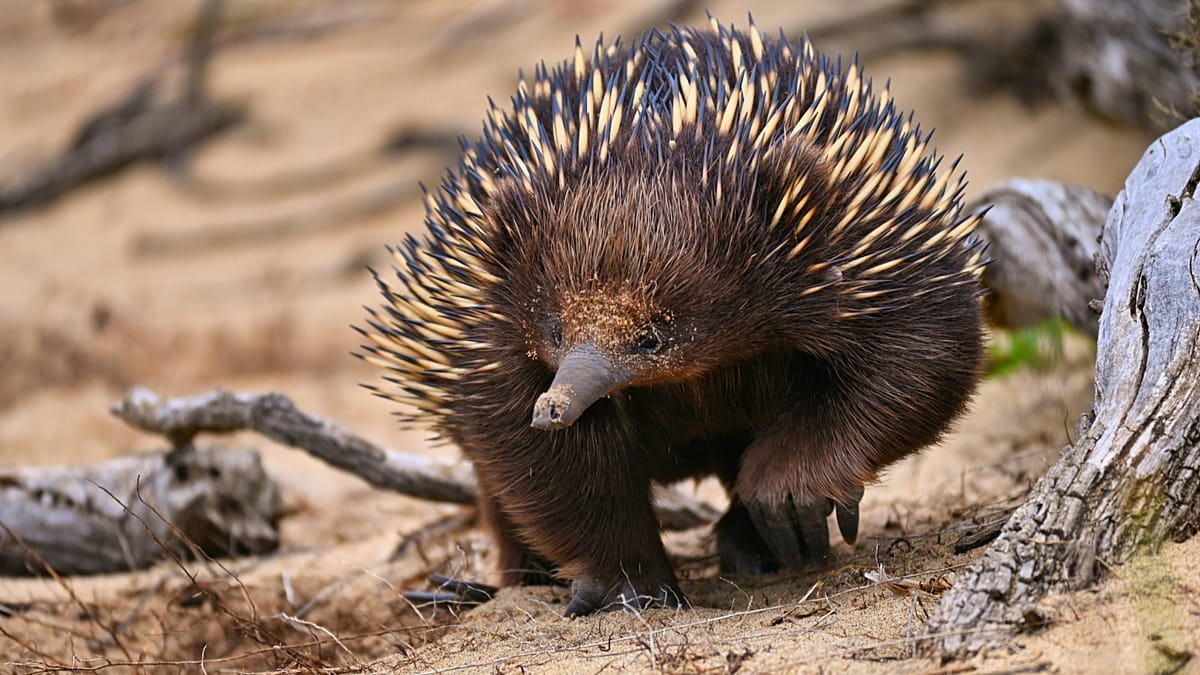
Down under, species like bettong and echidna dig burrows and pits in woodlands. These naturally trap leaf litter and increase soil nutrients, which can help sequester more carbon.
The World Federation for Animals says these digging mammals can also help retain moisture in forests that are increasingly dry and vulnerable to wildfires. Many of Europe’s blazes last year were made more likely due to human-made climate change driving temperatures up.
Seabirds giving life to coral reefs
Excessive nutrient loads are harmful to coral reefs and water environments – triggering huge algae blooms that suffocate aquatic life that can lead to oxygen depletion and the suffocation of aquatic life.
In the Baltic Sea, human activity such as untreated sewage and fertiliser use has left the waters struggling to breathe. However, natural nutrient loads can actually benefit coral growth and reef functions.
Seabirds feed offshore, returning to islands to roost and nest. The nutrients deposited by their excrement then get washed out to adjacent reefs.
A 2024 study published in Nature found coral colonies close to an island with high seabird densities increased calcification rates (how fast reef-building corals build their skeletons) by up to 2.7 times higher compared to colonies close to a nearby island with low seabird densities.
Green turtles transport seagrass seeds
Having made a huge recovery in recent months, green turtles in Australia consume seagrass seeds and transport them elsewhere – sometimes transporting the crucial carbon store as far as 650km away.
Dugongs, also referred to as sea cows, also help spread seagrass around, including in the increasingly threatened Great Barrier Reef.
Flood-fighting beavers
Perhaps one of the most obvious superhero animals, beavers’ dam-building ability can act as a natural flood defence. This is even more important in a warming world, as for every 1℃ rise in air temperature, the atmosphere can hold around seven per cent more moisture – which can lead to more intense and heavy rainfall.
Last year, a family of beavers made the headlines after building a dam exactly where authorities had been planning one in Czechia. It saved taxpayers around CZK 30 million (€1.2 million).
Beavers’ dams can also act as a natural firebreak, with research showing beaver-dammed areas are three times less affected by wildfires. This helps vegetation stay green and lush, and protects vital carbon-sucking areas.