
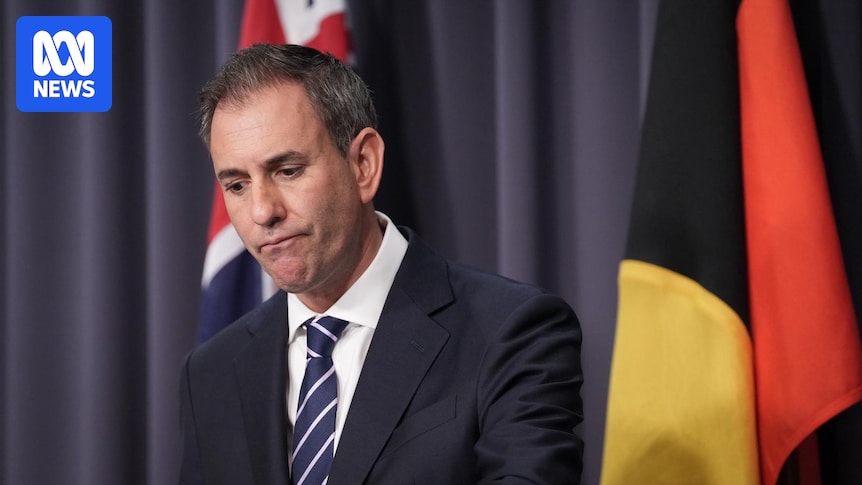
Price hikes for Australians are a likely outcome of the economic uncertainty sparked by the conflict in the Middle East, Treasurer Jim Chalmers has warned.
He did not offer any early forecasts of the war’s inflationary impact, but said the global economic uncertainty would be factored into the May federal budget.
US-Israel attack Iran live updates: For the latest news on the war in the Middle East read our blog.
In the days following US-Israeli strikes on Iran, Tehran has retaliated with missile and regional proxy attacks, threatening to expand the conflict into a prolonged regional war and restrict oil and gas supplies.
Mr Chalmers said outbreaks of conflict in the Middle East were nothing new, but noted “now that hostilities have been dialled up, this is essentially a conflict involving all or most of the region”.
Oil tankers stopped in Strait of Hormuz
“The economic consequences are uncertain, but they are likely to be very substantial,” he told reporters in Canberra.
“The longer it drags out, the bigger the consequences for our economy, so we will monitor these developments.”
Reserve Bank governor Michele Bullock has not ruled out raising interest rates as early as this month if required, but said it was too early to make any predictions.
“A supply shock could, for example, add to inflation pressures … but at the same time, a prolonged impact on energy markets could have adverse effects on global economic activity and result in downward pressure on inflation,” Ms Bullock told an AFR Business Summit yesterday.
Loading
Mr Chalmers said the government was already focused on dealing with inflation, which had been a persistent challenge before the US-Israeli military action in Iran.
“It depends very heavily on how much oil and gas infrastructure is damaged in the conflict,” he said.
“We know there is a real risk of that. We know there are tankers anchored in the Strait of Hormuz.”
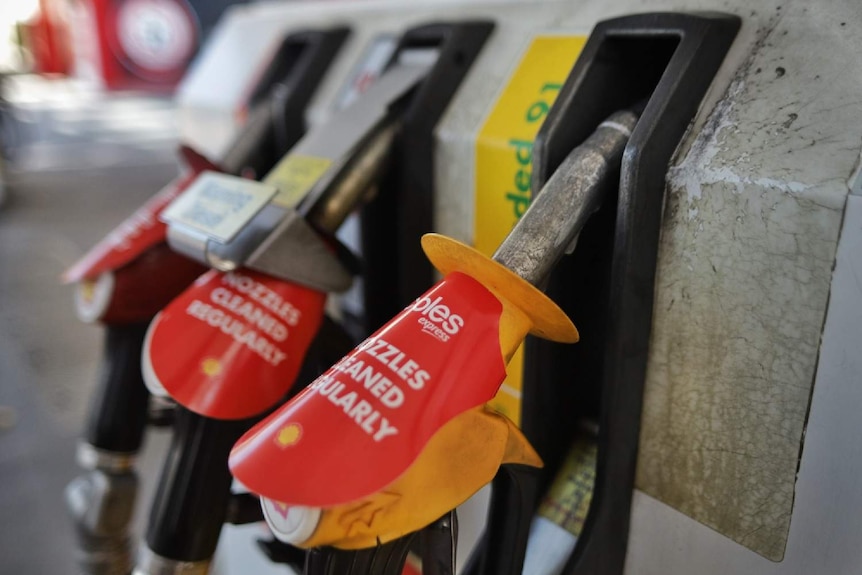
The region, including Saudia Arabia, Iraq, Iran, UAE, Kuwait, Qatar, Bahrain and Oman, produces 27 per cent of the world’s crude oil. (ABC News: Chris Gillette)
Australia’s economy is growing at its fastest pace in three years, at an annual rate of 2.6 per cent, according to data from the Australian Bureau of Statistics covering the December quarter.
Mr Chalmers said there was a “very real prospect” the conflict would increase pressure on prices while weighing on global growth.
He said he had directed the competition watchdog, the Australian Competition and Consumer Commission (ACCC), to monitor fuel prices.
“We understand there will be movements in the market, but retailers cannot be taking people for mugs,” Mr Chalmers said.
The Albanese government has been under pressure to rein in inflation amid heightened criticism of high government spending and its role in driving up inflation.
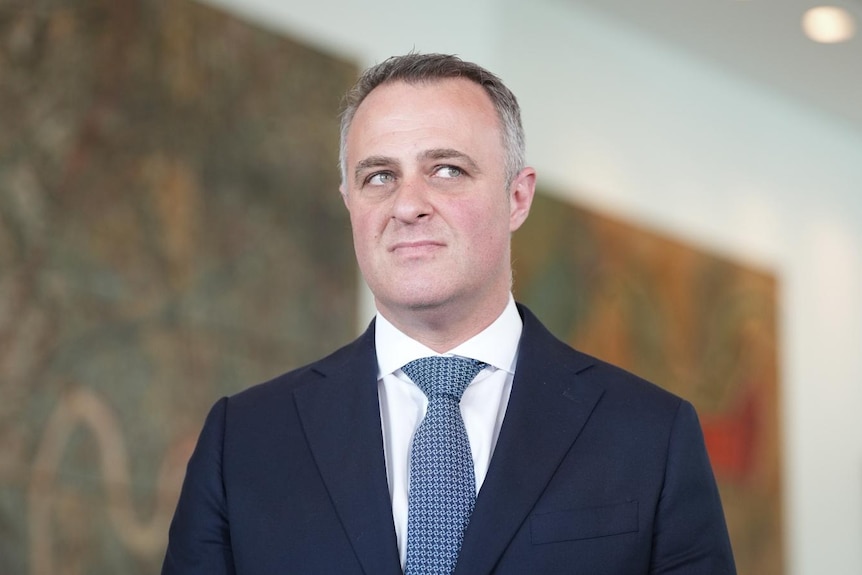
Shadow Treasurer Tim Wilson says the government should take some responsibility for price rises. (ABC News: Matt Roberts)
Shadow Treasurer Tim Wilson has accused the government of failing to prepare for international price shocks.
“I want prices to be as low as possible but it’s a failure of the government to prepare for this,” he said.
“[The treasurer] is trying to deflect it onto the regulators rather than take responsibility.”
Mr Chalmers has already indicated that the May federal budget will focus on spending restraint.
He said the “extreme global economic uncertainty” created by the conflict in the Middle East “does inform our budget for May”.
“We are meeting very frequently, often into the night, with colleagues from the expenditure review committee and these things are obviously weighing very heavily on our considerations for the budget,” Mr Chalmers said.
Loading…