
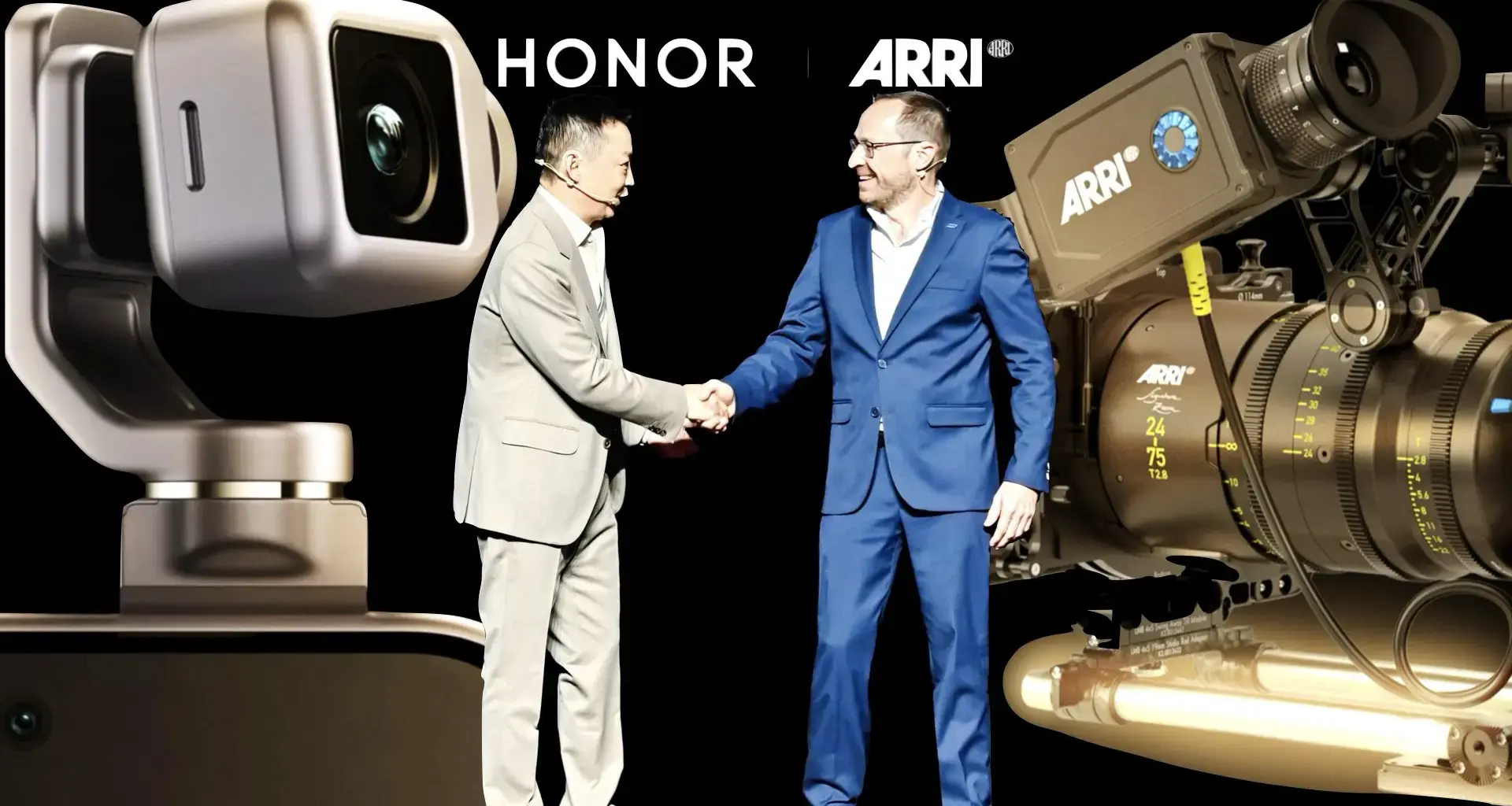
The recent announcement that ARRI will bring its imaging technology into the upcoming HONOR ROBOT PHONE has sparked an intense debate across the cinematography and tech communities. While the partnership represents a historic moment for mobile imaging, many professionals and enthusiasts are questioning whether a legendary cinema brand should enter the smartphone ecosystem at all. The controversy emerged shortly after ARRI confirmed that core elements of its Image Science would debut in the HONOR ROBOT PHONE, a device expected to launch later in 2026. As we previously reported in ARRI Announces Its Technology Will Debut in HONOR’s ROBOT PHONE and ARRI HONOR Strategic Partnership: Mobile Imaging, the collaboration aims to translate cinematic imaging principles into mobile hardware for the first time.
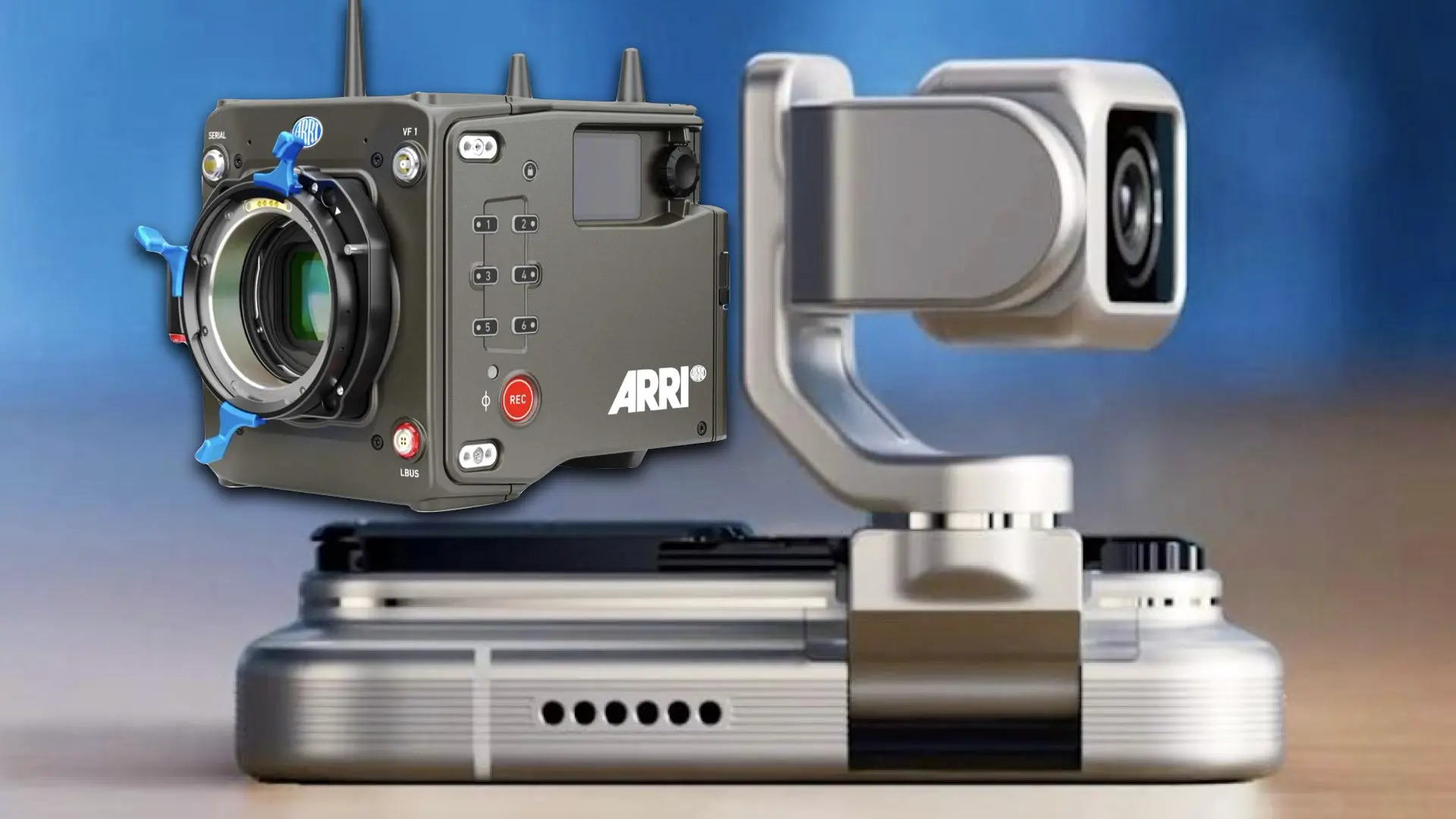 ARRI ALEXA 35 and the HONOR ROBOT PHONE
For more than a century, ARRI has defined the visual language of cinema through cameras such as the ARRI ALEXA. Its reputation is rooted in color science, highlight roll off, and image consistency rather than consumer electronics. The partnership with HONOR, therefore, represents a significant shift in the company’s technological direction. According to the companies, the collaboration is intended to apply ARRI’s cinematic imaging principles to mobile photography and video pipelines. The goal is to deliver natural color rendering, gentle highlight transitions, and a workflow that allows creators to move more easily from mobile capture into professional post production environments. However, this transition from cinema hardware to consumer devices has raised questions among filmmakers who view ARRI as one of the most exclusive brands in professional filmmaking.
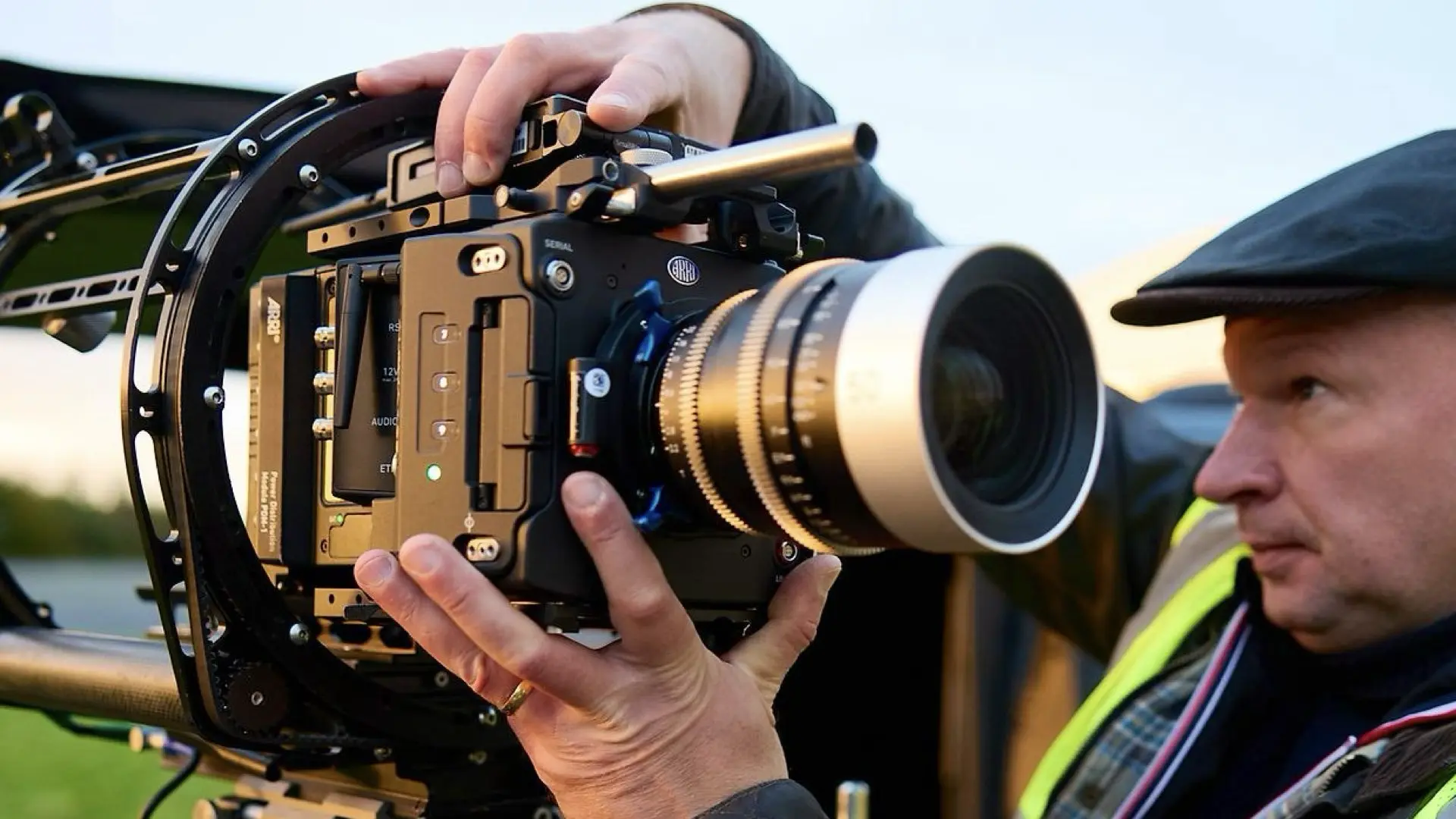 ARRI ALEXA 265
One of the most common comparisons emerging online is with the failed attempt by RED Digital Cinema to enter the smartphone market with the RED Hydrogen One. That device was introduced with similarly bold claims about revolutionizing mobile filmmaking, but ultimately struggled due to limited adoption and underwhelming hardware. The memory of that project has resurfaced in discussions surrounding the ARRI collaboration. For critics, the concern is that the partnership could follow a similar path if the integration of ARRI technology proves to be mostly symbolic rather than deeply embedded into the imaging pipeline.
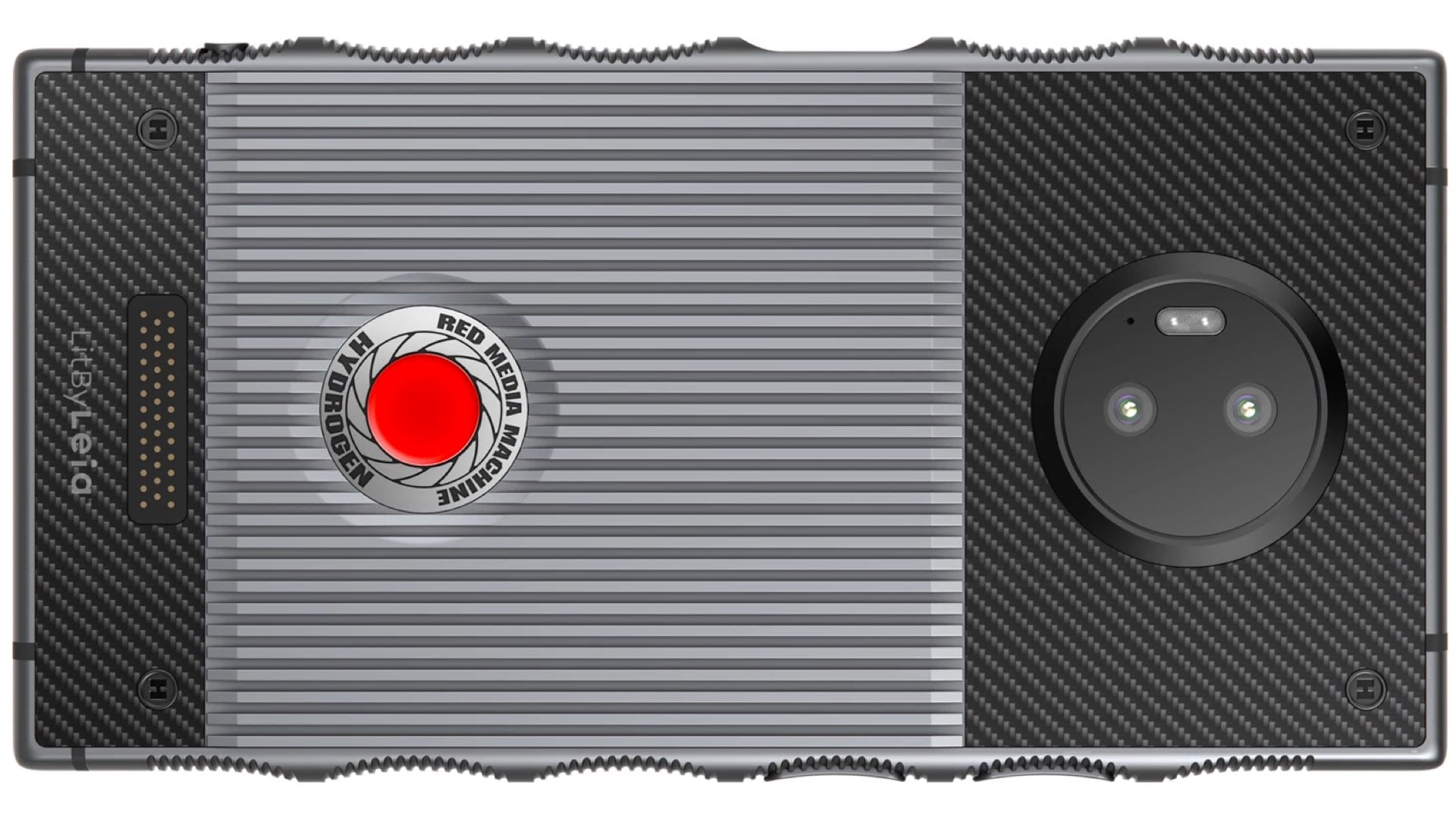 The RED Hydrogen One
Another argument raised by skeptics focuses on brand perception. ARRI has historically operated at the very top of the professional camera market, producing equipment used in major Hollywood productions and high-end television. Some cinematographers argue that entering the smartphone ecosystem could weaken that perception of exclusivity. A company associated with cameras costing tens of thousands of dollars, suddenly appearing in consumer devices, may create tension between prestige and accessibility. Yet others see the move differently. They point out that similar collaborations already exist across the industry. For example, premium photography brands have partnered with smartphone manufacturers to bring their color science and optical expertise into mobile devices. From this perspective, ARRI’s move could represent the next step in the evolution of smartphone imaging rather than a departure from its core identity.
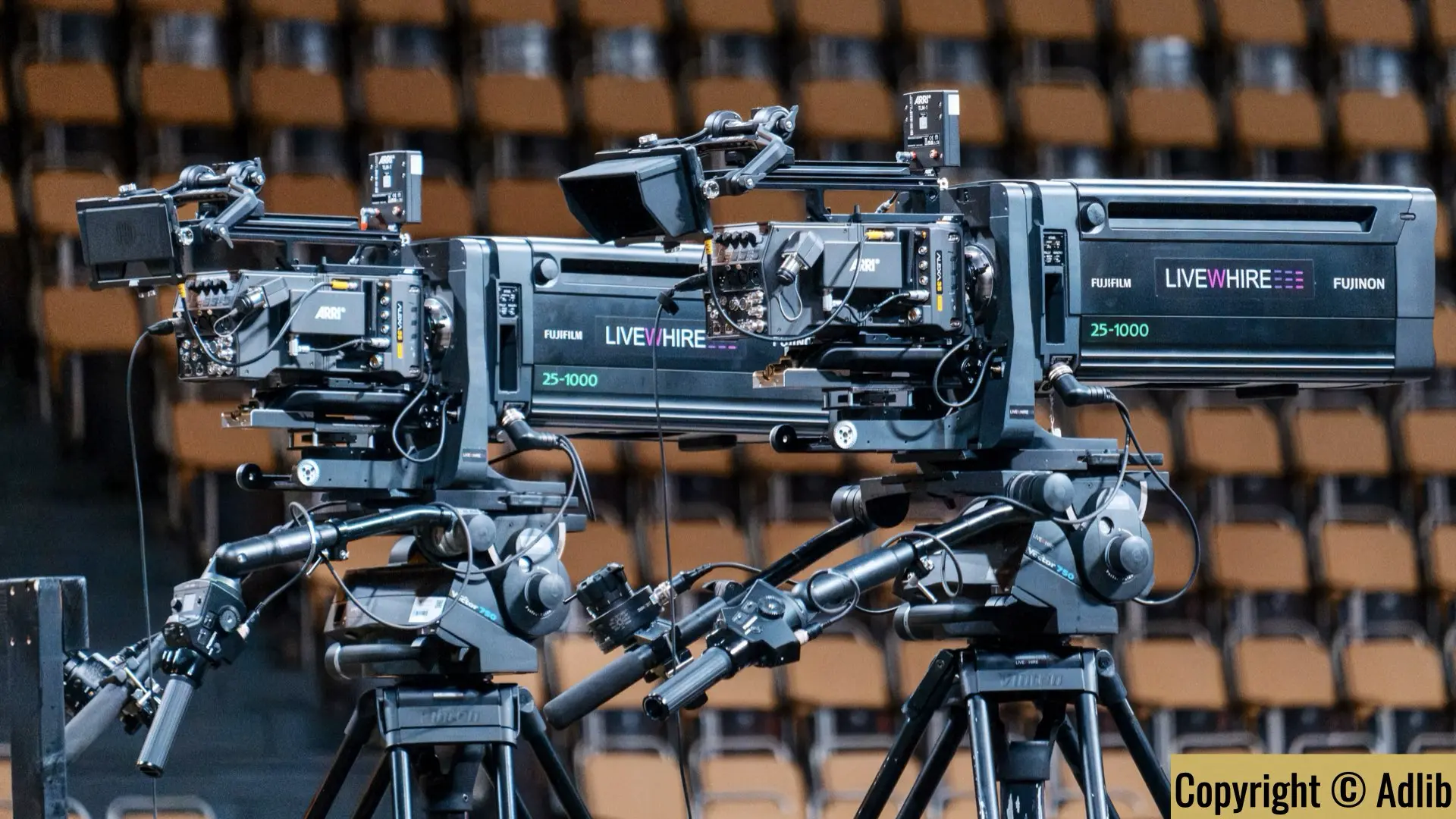 ARRI ALEXA 35 Live and Fujinon 25-1000 in Shirin David’s Tour.
The debate is intensified by the unusual nature of the device that will debut ARRI’s technology. HONOR’s ROBOT PHONE features a mechanical camera arm equipped with a high-resolution sensor and a miniature multi-axis gimbal system designed to track subjects and stabilize video automatically. The robotic camera module can physically move to follow subjects and adjust framing during recording. Combined with AI-driven tracking and stabilization, the device is designed to bring cinematic camera movement into a smartphone form factor. For some observers, the concept represents a bold leap in mobile videography. For others, the mechanical complexity and experimental design raise concerns about durability, cost, and real-world practicality.
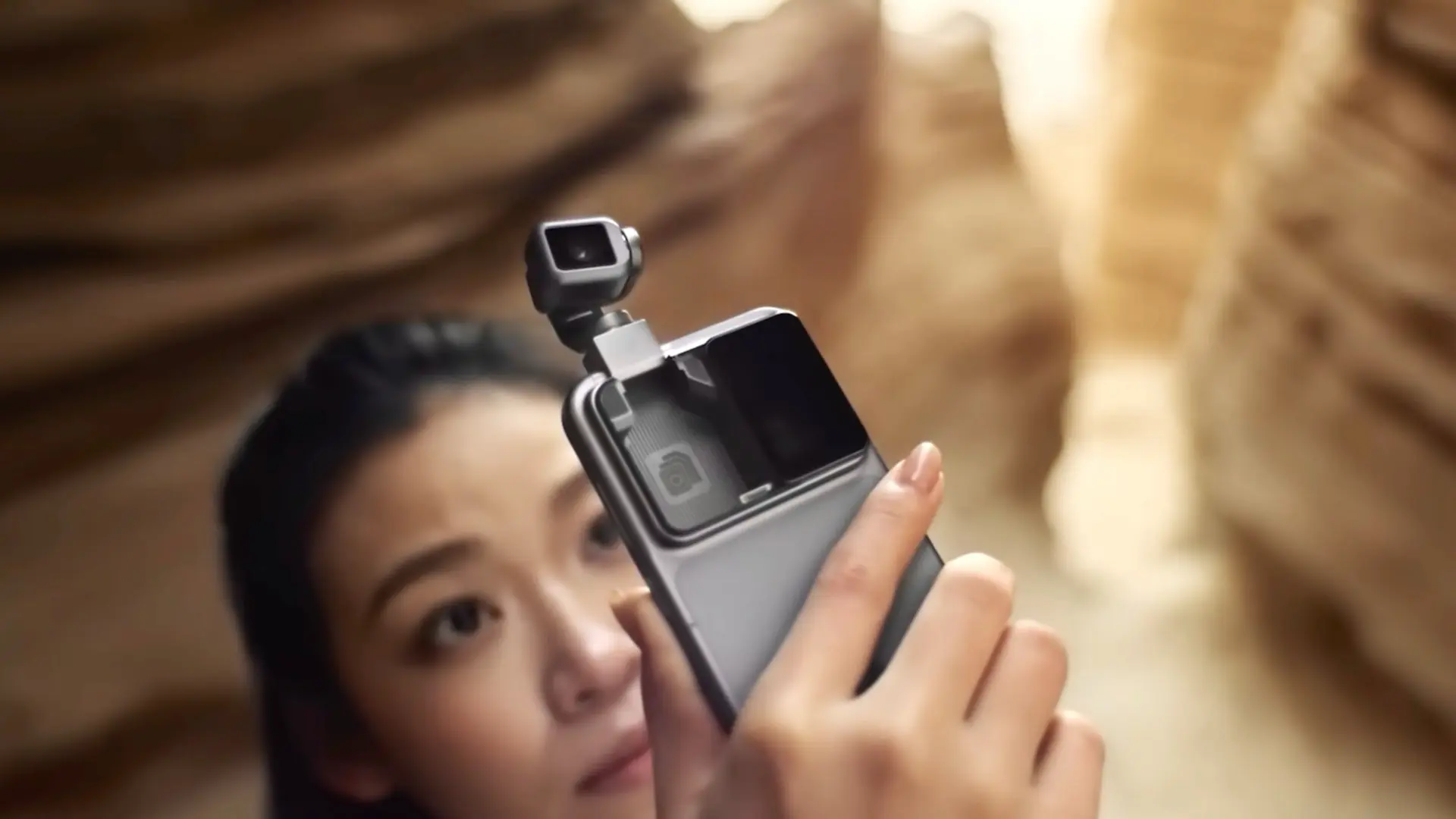 The ROBOT PHONE
Despite the backlash, the reasoning behind the partnership is relatively clear. Smartphones are increasingly used for professional filmmaking, even appearing in major productions. ARRI executives argue that bringing cinematic image science to mobile devices can help bridge the gap between professional cinema tools and the next generation of content creators. The collaboration, therefore, reflects a broader shift within the imaging industry. As computational photography and AI-driven video capture continue to evolve, the line between traditional cameras and smartphones is becoming less defined. Whether ARRI’s reputation strengthens or weakens as a result of this experiment will depend on the final product. If the ROBOT PHONE genuinely delivers cinematic color behavior and professional workflow compatibility, the collaboration could mark the beginning of a new chapter for mobile filmmaking. For now, the reaction remains mixed. Some see the partnership as a bold expansion into the future of imaging. Others view it as a risky move for one of cinema’s most respected technology companies. Either way, ARRI’s entry into the smartphone world has already accomplished one thing. It has started a conversation about where the future of filmmaking technology is heading.