
NASA has become one of the most important organizations in the world.
The recent space discoveries that have come from the amazing James Webb Telescope have forever altered our understanding of the universe. But another telescope launched nearly 36 years ago has been collecting images of the furthest regions of space for decades.
The images from the Hubble telescope have been languishing away in a database for a long time. No more, says NASA.
How technology has changed our understanding of the cosmos
The astonishing advancements in technology over the past few decades have given us the ability to study the universe more clearly.
Innovation has acted as a force multiplier for our collective human curiosity. For the most part, we have been limited to what our simple tech here on Earth can see in the night sky.
As technology around telescopes gets better and better, we can now peer past the immediate light in our galaxy and gaze at the furthest regions of the cosmos.
We have taken it upon ourselves to come together to group our expertise to launch significantly important telescopes into the sky, such as the Hubble Telescope. It gave us the chance to view parts of space that were a mystery for most of our existence.
The Hubble Telescope: a revelation in human history
The now iconic and world-shifting Hubble Telescope was launched 36 years ago aboard the Space Shuttle Discovery.
The telescope changed the way we now look at the sky. Revealing amazing details about the “spacerocks” that float around in our galaxy and even deeper into the universe.
While thousands of scientists and astrophysicists search for our next possible home away from home, Hubble kept capturing more and more images.
What it found over its nearly thirty-year expedition into space has reshaped our understanding of how the celestial bodies in space move around and behave as they traverse the universe.
With its now basic camera, Hubble has been capturing images from the deepest parts of space.
This has allowed NASA to keep the dream of developing a space-based set of knowledge alive, along with the European Space Agency. The pair have collectively been studying the images collected and now have a few answers to some burining question.
NASA has been working diligently to construct new telescopes that have taken what Hubble has done to another level.
NASA Science boffins have been storing the images collected by Hubble in a database. And now, 36 years after Hubble was first launched, researchers have found several strange anomalies.
Artificial intelligence has played a major part in understanding Hubble’s images
Through the use of an AI tool, NASA has been able to scan the 36 years of Hubble images.
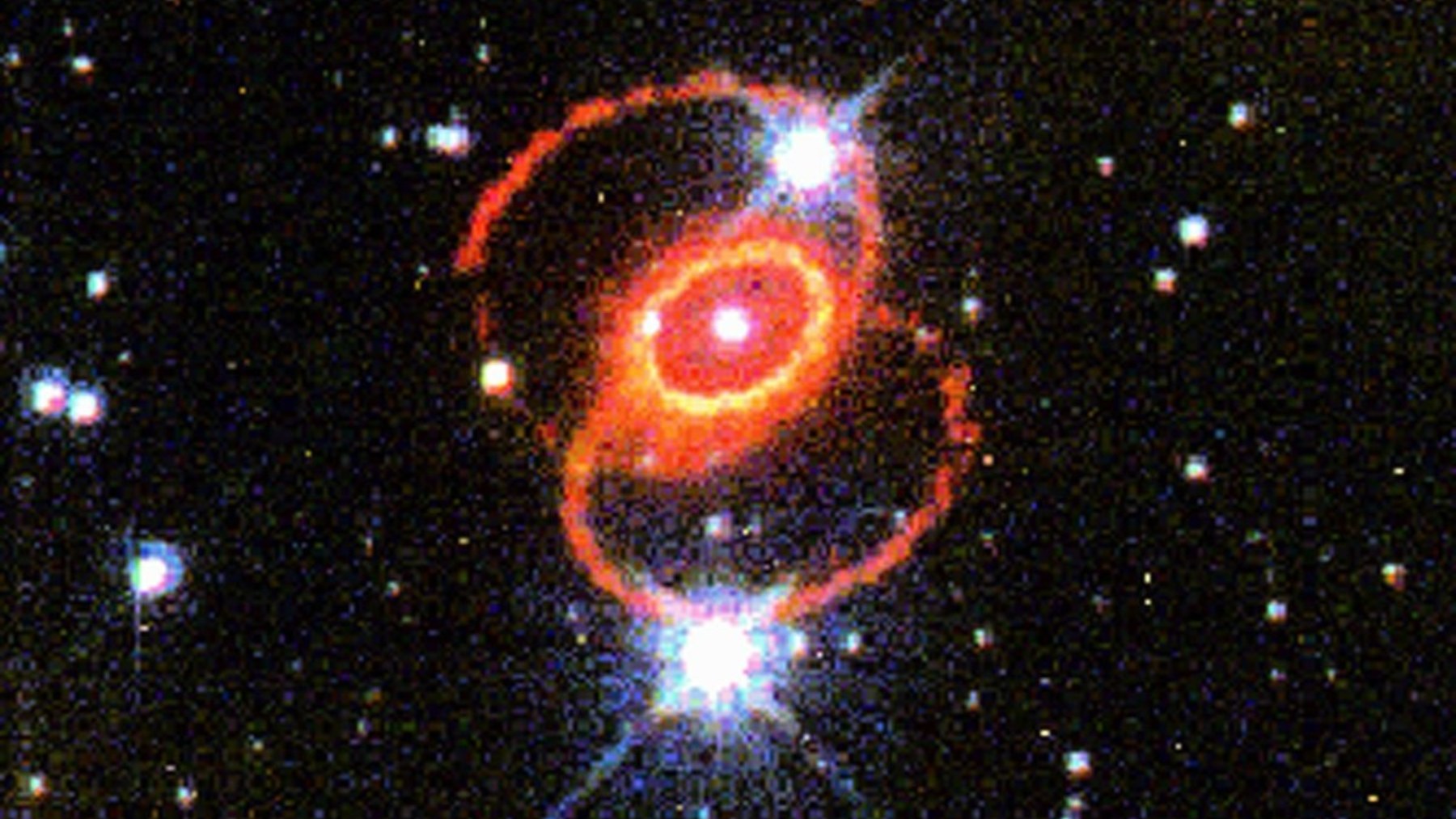
What it found was a myriad of strange anomalies ranging from unknown objects, unusual galaxies, and “impossible-shaped” structures. It astonishingly identified over 1,300 cosmic bodies.
Of those that it found, 800 were never previously documented. Some were new quasars, others were ring-shaped galaxies.
NASA aims to learn more about the cosmos with AI
The AI tool was also able to focus on anomalous star systems in the deepest regions of the universe. By taking the very short time it needed to study the 100 million images in the Hubble Source Catalog, the new findings have provided a renewed sense of optimism and exploration for the years and decades to come.
The question now becomes, how will the AI tool that NASA has developed process more images from Hubble as it keeps snapping in-focus images that beggar belief?
While millions of us down here on Earth prepare for the next amazing eclipse, what else can Hubble find in the furthest regions of space and time?