
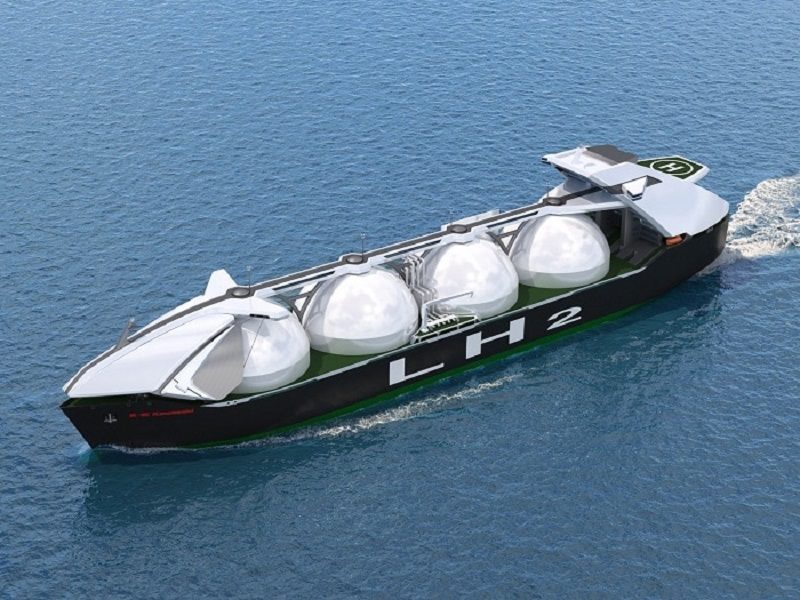
A new Japan-New Zealand Hydrogen Corridor consortium-formed by Mitsui OSK Lines, construction firm Obayashi, Kawasaki Heavy Industries and energy company Chiyoda-will study the commercial production of green hydrogen in New Zealand and export logistics to Japan, with feasibility work beginning in fiscal 2026 and imports targeted for the early 2030s.
The partners say the initiative responds to Japan’s low energy self‑sufficiency and the nation’s need to source large‑scale renewable hydrogen beyond domestic supply. New Zealand’s abundant geothermal and hydropower resources and government support for hydrogen development make it a natural candidate to supply Japan’s anticipated demand. Under the corridor, the consortium will map supply‑chain requirements, production hubs, export terminals and shipping operations needed to deliver hydrogen at scale.
“Hydrogen is expected to play a key role as a clean energy source that does not emit CO₂ when burned,” the consortium said, noting uses across mobility, hard‑to‑abate industry and co‑firing at thermal power plants. The project aims both to advance Japan’s decarbonisation and to create a new export industry for New Zealand.
The corridor builds on prior Japanese regional cooperation on hydrogen – including earlier Japan‑Australia projects-and seeks to complement domestic initiatives that position hydrogen as a bedrock of Japan’s future energy mix. By linking large renewable generation in New Zealand to Japanese demand centres, the programme intends to bolster Japan’s energy security while enabling scalable low‑carbon fuel imports.
Practical work will include assessments of electrolyser siting, renewable supply guarantees, liquefaction or carrier options, port and shipping logistics and commercial frameworks to ensure long‑term, stable deliveries.