
Camera
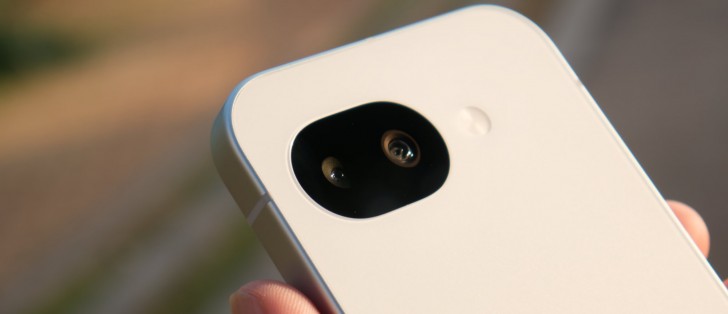
The Pixel 10a has the same camera system as the Pixel 9a. You get a dual-camera system on the back, consisting of a 48MP main camera and a 13MP ultra-wide camera. On the front is a 13P fixed-focus camera. All cameras can record video in 4K, but only the main 48MP camera can go up to 60fps.
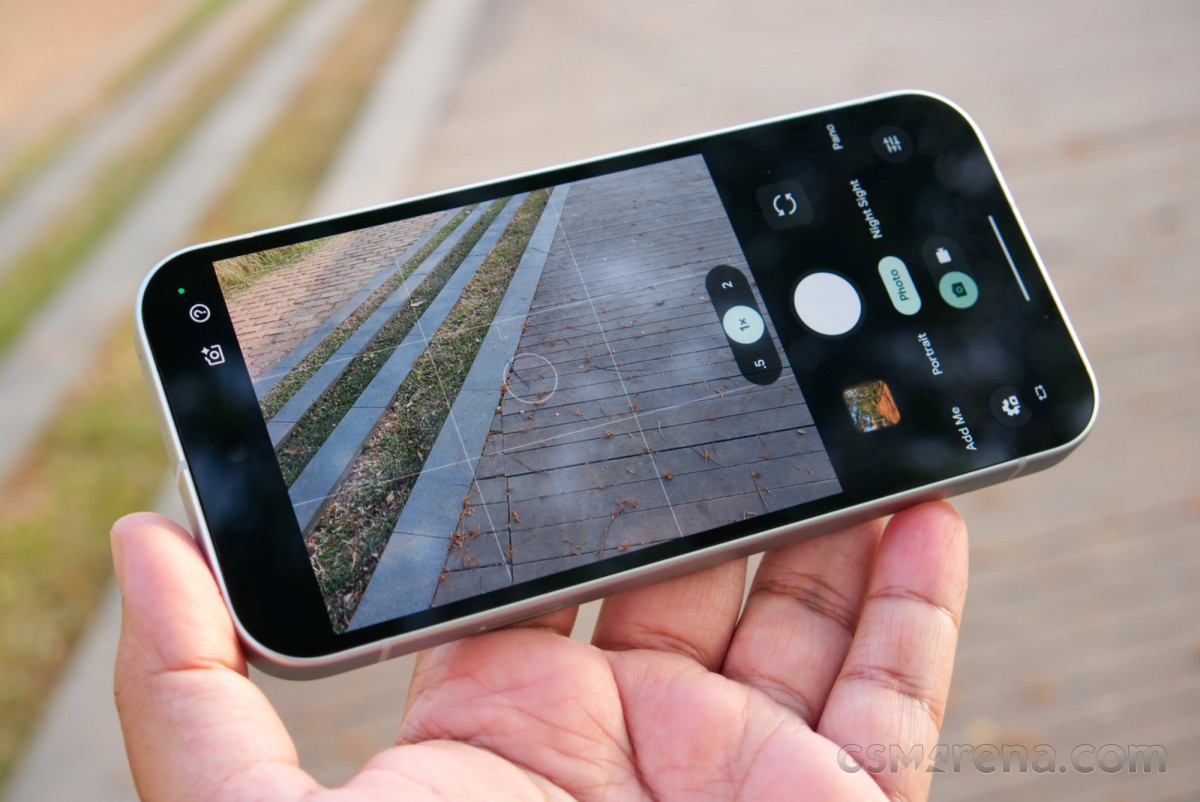
While the hardware is the same as the 9a, the Pixel 10a tries to differentiate itself once again with some software additions that have been borrowed from the other Pixel 10 devices. We now have Camera Coach, which gives you step-by-step suggestions on how to take pictures, and Auto Best Take, which automatically chooses the best expression from photos taken around the same time. The Pixel 10a also gets Display P3 support for captured images, although the images seen here are in the default sRGB mode.
The image quality comparison yielded no real surprises. The images from all three cameras on the Pixel 10a look identical to those on the Pixel 9a. Whatever minor differences present were down to shot-to-shot variances.
The images from the main camera look good from both phones. There is a good amount of detail in the images, and the colors are usually accurate. Enabling the P3 mode on the 10a could yield more color volume, but the difference wasn’t always meaningful.








Main camera: Pixel 10a • Pixel 9a
The 2x digital zoom mode also looked similar on both phones. This mode still struggles with color accuracy at times, as both phones would often churn out images with woefully inaccurate color temperatures that usually tended towards the colder side. Still, the 2x mode is usable with decent results.




2x digital zoom: Pixel 10a • Pixel 9a
The ultra-wide camera continues to be a weak performer. The color accuracy isn’t great, the image is soft, and there can often be noise in the image. Still, it’s not entirely unusable, and it’s better to have it rather than not at all, as on the iPhone 16e and now the 17e.








Ultra-wide camera: Pixel 10a • Pixel 9a
Like the Pixel 9a, the Pixel 10a has a macro mode of sorts that automatically triggers when you get close to the subject. This is done entirely on the main camera, which has a closer-than-usual focusing distance. As with the 9a, you can get quite usable results, especially when you punch in with the 2x mode, as we have done here.




Macro mode
In terms of video, the Pixel 10a captures decent-quality footage from the main 48MP camera. However, while the detail is good, the colors can look off or desaturated a lot of the time, especially indoors.
The video from the ultra-wide camera can be quite bad. Occasionally, you can get some usable footage, but other times, there is a lot of noise, even in good lighting. It also maxes out at 30fps, which is annoying as the camera becomes unavailable if you set the main camera to 60fps.
Overall, not much has changed on the camera front on the Pixel 10a. It was a usable camera before, and it continues to be usable today. However, for a series known for its cameras, the Pixel 10a now feels genuinely outdated compared to some of the other options on the market at similar prices.
Conclusion
The internet was quick to label the Pixel 10a as a relaunched Pixel 9a. We wanted to know if there was more to the story, so we spent the extra time and effort to see if there was more here than what meets the eye. Unfortunately, the internet was correct.
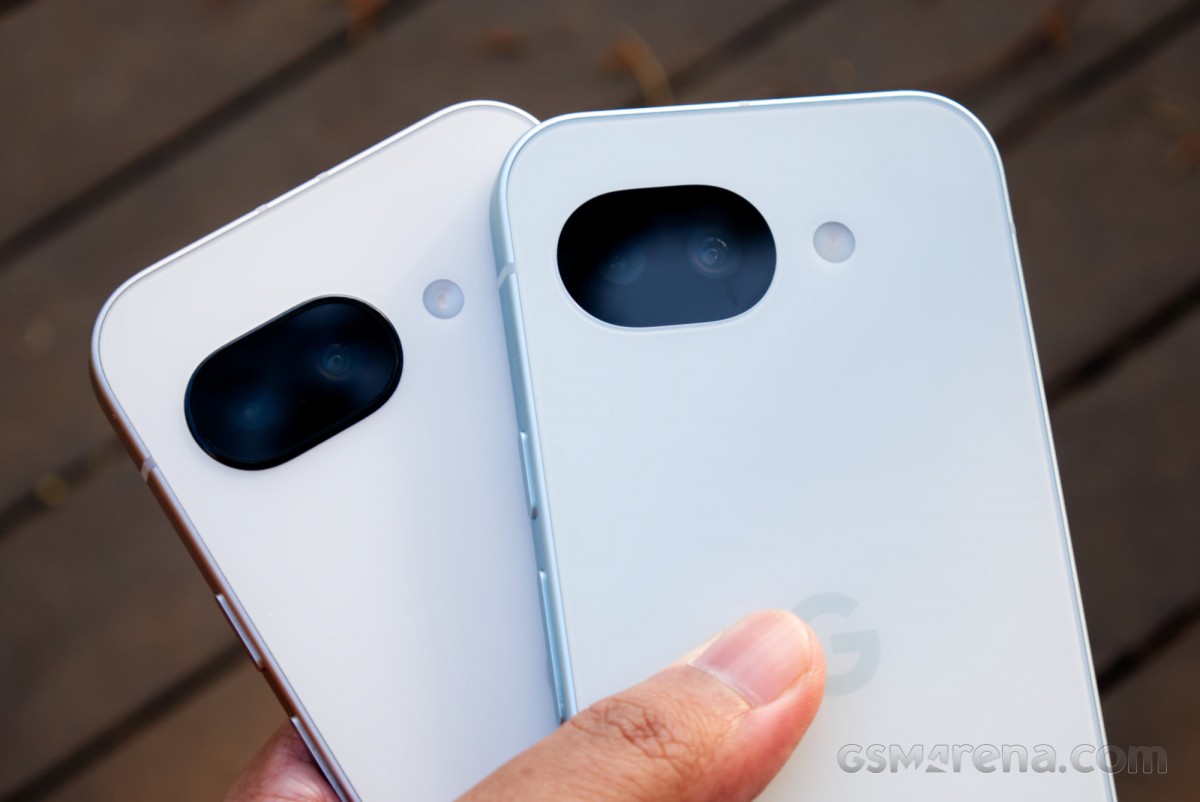
The Pixel 10a is the smartphone launch equivalent of the ‘this meeting could have been an email’. More specifically, this phone could have been a software update to the Pixel 9a, as most of the changes are just in software. By making it a separate release, Google made the Pixel 10a feel as an underwhelming release, while also making the Pixel 9a buyers feel a bit left out, as they could have had almost everything new here.
The wild part is that most of the changes aren’t exactly must-haves either, which means the now cheaper Pixel 9a is the preferred option over the new phone. The Pixel 10a doesn’t really address the limitations of the 9a, such as the overtly thick bezels, slow charging, no Qi2 wireless charging, and the now aging chipset and underwhelming camera system. There is very little justification for paying extra for the 10a, and you are much better off spending that money either on accessories for the 9a or on a different phone altogether.