
NSW Health has apologised to three senior doctors at the Royal Prince Alfred Hospital after a two-year confidential investigation was found by the NSW Ombudsman to be unreasonable and unfair, in the latest example of dysfunction within two key departments.
The largest hospital in the Sydney Local Health District was investigated by the NSW Ombudsman after allegations of doctor misconduct and patient harm led to claims of bullying and whistleblower persecution.
The ABC has obtained a tranche of internal documents revealing NSW Health has held at least two inquiries into clinical safety at the hospital’s flagship Structural Heart Program and three cultural investigations into RPA’s cardiology unit since 2020.
However, a spokesperson for NSW Health has defended the service: “Royal Prince Alfred Hospital [RPA] has a long-established culture of clinical excellence and patient-centred care.”
‘Significant patient safety concern’
The RPA has been home since 2009 to the Structural Heart Program, a multidisciplinary clinic offering alternatives to open heart surgery, known as TAVI procedures.
While the program has been celebrated for advancing cardiac research, it has also been beset by infighting and several investigations.
NSW Health conducted a confidential review of the program in 2023, which described it as “high quality” but found “discernable [sic] mistrust” between the clinical teams and problems with its multidisciplinary team structure causing “significant patient safety concern”.
The report made 37 recommendations, including ordering another urgent investigation into “missing” clinical outcomes data — which made the RPA an “outlier nationally” and “dysfunctional”.
“It was reported these issues have been raised on multiple occasions,” the report found.
“However, no action has been taken. These issues need to be resolved immediately.”
A NSW Health spokesperson said the “most critical” recommendations had been implemented and “the remaining items are currently in progress” while defending the program as “aligning to or exceeding” patient outcome benchmarks in 2024.
Do you know more?Contact Charlotte Grieve via charlotte.d.grieve@proton.meIf you require more secure communication, please choose an option on the confidential tips page
The month after the report was completed, six doctors wrote to NSW Health Minister Ryan Park claiming the review failed to investigate what those doctors described as “serious injuries and preventable deaths” within the TAVI program at RPA in recent years.
“We are specifically concerned by the large number of serious complications within the TAVI program including avoidable deaths, catastrophic bleeding, threatened limbs, retroperitoneal hematomas and false aneurysms.
Another senior surgeon within RPA’s cardiothoracic department sent a separate letter to the minister echoing their colleagues’ concerns.
“After much thought, I feel it is important I put my perspective forward. I share their concerns and I, like them, have expressed my concerns multiple times.
“I think it would be wrong if my colleagues were painted with a label of being difficult or going over the head of the administration simply for bringing a serious matter to your attention hence my independent letter of support.”
The letters triggered a Clinical Excellence Commission investigation, which made further recommendations, including ensuring all patients were reviewed by a multidisciplinary team prior to undergoing a TAVI procedure and improved “escalation pathways” for incidents.
The confidential “action plan” also included recommendations that only patients requiring emergency surgery would proceed without the multidisciplinary team, and there would be a new policy for “managing disagreements”.
The NSW Health spokesperson said “two independent reviews” had been launched in response to concerns raised by the doctors and changes made to improve “system issues” including governance, data integrity and clinical pathways.
“Both reviews did not identify any significant clinical issues with the care provided to patients under the program,” the spokesperson said.
“For privacy reasons, we can’t comment on individual patient or staff matters but any clinical incidents are responded to in accordance with NSW Health Policy.”
Misconduct investigation launched
Soon after the letters were sent to the minister, bullying complaints were made against three doctors who had raised concerns about the program.
NSW Health hired law firm Workdynamic to investigate.
In December 2023, Workdynamic notified the doctors — cardiologist Ian Wilcox, vascular surgeon Raffi Qasabian and head of department Steven Dubenec — that they were under investigation for misconduct.
Emails seen by the ABC show the doctors repeatedly asked for details about the investigation or allegations against them over three months, but were rebuffed.
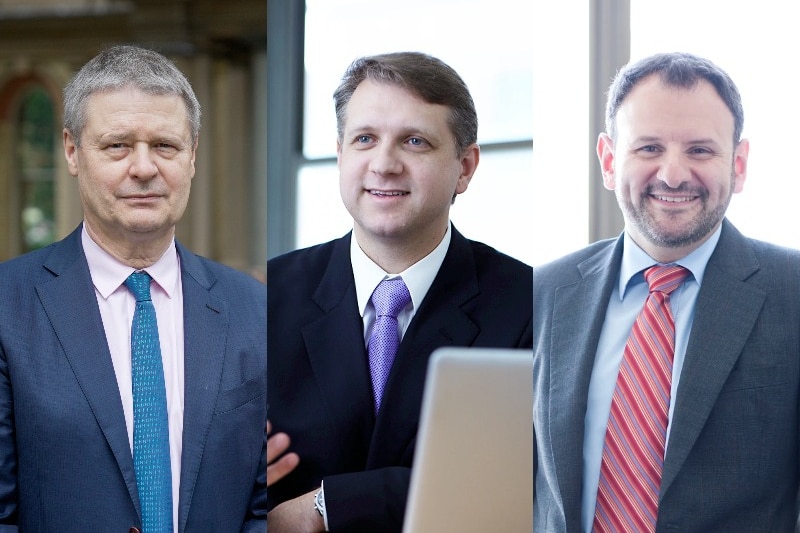
Ian Wilcox, Steven Dubenec and Raffi Qasabian were told in December 2023 they were under investigation for misconduct. (ABC News: Billy Cooper / Supplied)
“Unfortunately, we have experienced some delay in completing the initial stage of this investigation and we are not yet in a position to put particulars of the allegations to you,” a Workdynamic investigator wrote in February 2024.
“I anticipate being able to provide you with particulars next month.”
This did not occur. Another doctor, who did not want to be named, told the ABC having these allegations hanging over the team was like “a noose around my neck”.
“That’s what it felt like,” one doctor said. “They’ll tighten it when they want to shut you up.”
As Workdynamic’s investigation continued, the doctors complained to the ombudsman and wrote to Mr Park claiming they were being punished for raising clinical concerns that resulted in improvements being made to the program.
“This letter appears to be a threat from the health ministry and the Sydney LHD in an attempt to muzzle myself and fellow clinicians at RPAH from speaking out,” one doctor wrote.
In December, the ombudsman found the doctors’ fears of retaliation for whistleblowing were “understandable” but not supported by available evidence.
Instead, it ruled Workdynamic’s failure to notify the doctors of allegations over eight months was “unreasonable”, resulted in a “lack of fairness”, caused “undue stress” and recommended apologies be issued.
“This is an unreasonable length of time to be waiting for any information about the nature and seriousness of the allegations, some of which, if proven, would have serious ramifications including dismissal,” the ombudsman found.
NSW Health apologised to the doctors in separate letters sent in December and January.
“I write to apologise on behalf of the Ministry for not providing you with the allegations within a reasonable time after you were informed that you were under investigation,” NSW Health executive legal director Chris Carr wrote.
“The Ministry regrets any distress this may have caused you.”
Mr Carr also wrote that “after careful consideration” and “given the significant passage of time”, the bullying investigation would be dropped but added NSW Health would consider “other strategies to deal with workplace cultural issues” at RPAH.
‘Like Game of Thrones’
Professor Wilcox, who received an apology, has been outspoken in his criticism of NSW Health and maintains the organisation is overseeing a culture of cover-up and persecuting whistleblowers.
“I have to speak up for my patients. Even senior specialists are too frightened to speak because they will be targeted, relentlessly.”
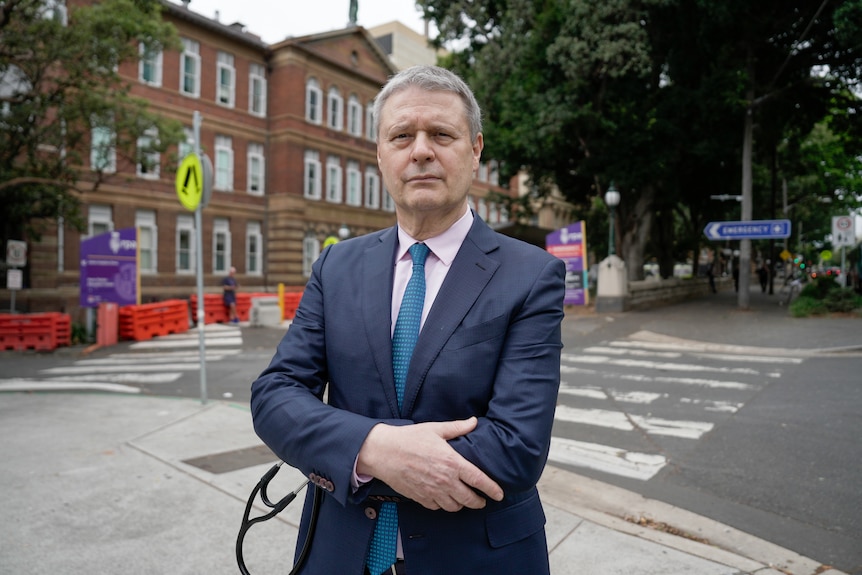
Ian Wilcox says he is speaking up for his patients. (ABC News: Billy Cooper)
Dr Qasabian and Dr Dubenec declined to comment.
A NSW Health spokesperson said, “Any suggestion that the investigations were commenced in reprisal is wrong in fact and is not supported by the outcomes or recommendations of the NSW Ombudsman”.
“NSW Health acknowledges that an isolated aspect of this investigation was not in line with good practice,” the spokesperson said.
The discontinuation of Workdynamic’s investigation was not communicated to the broader RPA Hospital.
One doctor asked for an update in January, and was told no findings had been made, according to documents seen by the ABC.
“How many taxpayer dollars were spent on the investigation?” Professor Wilcox asked in an interview with the ABC. “And for what?”
The Workdynamic probe was the third investigation into cultural dysfunction within RPA’s cardiology unit since 2020, following those led by barrister Claire Alder and psychologist Richard Jones.
The ABC has interviewed six doctors within the RPA who support Professor Wilcox’s claim that open discussion about patient complications is discouraged, whereas two cardiologists privately blame Wilcox for driving divisions.
“It’s like Game of Thrones,” said one doctor as they broke down in tears describing allegations of bullying and harassment within the hospital.
“RPA doesn’t have a cultural problem, it has an Ian problem,” another said, referring to Professor Wilcox.
Professor Wilcox has been the subject of several complaints and said he agreed to complete a course to improve his communication skills, along with the rest of the department.
“There’s an awful lot of inferences, but no actual facts,” Professor Wilcox said of claims against him. “The only issues I speak up about are to do with patient care.”
NSW Health defended the RPA’s culture, pointing to an internal survey of cardiology department staff where 76 per cent said, “The team treats each other with respect.”
“Seventy per cent said they feel culturally safe at work while 80 per cent said their job gives them a sense of personal accomplishment,” the spokesperson said.