
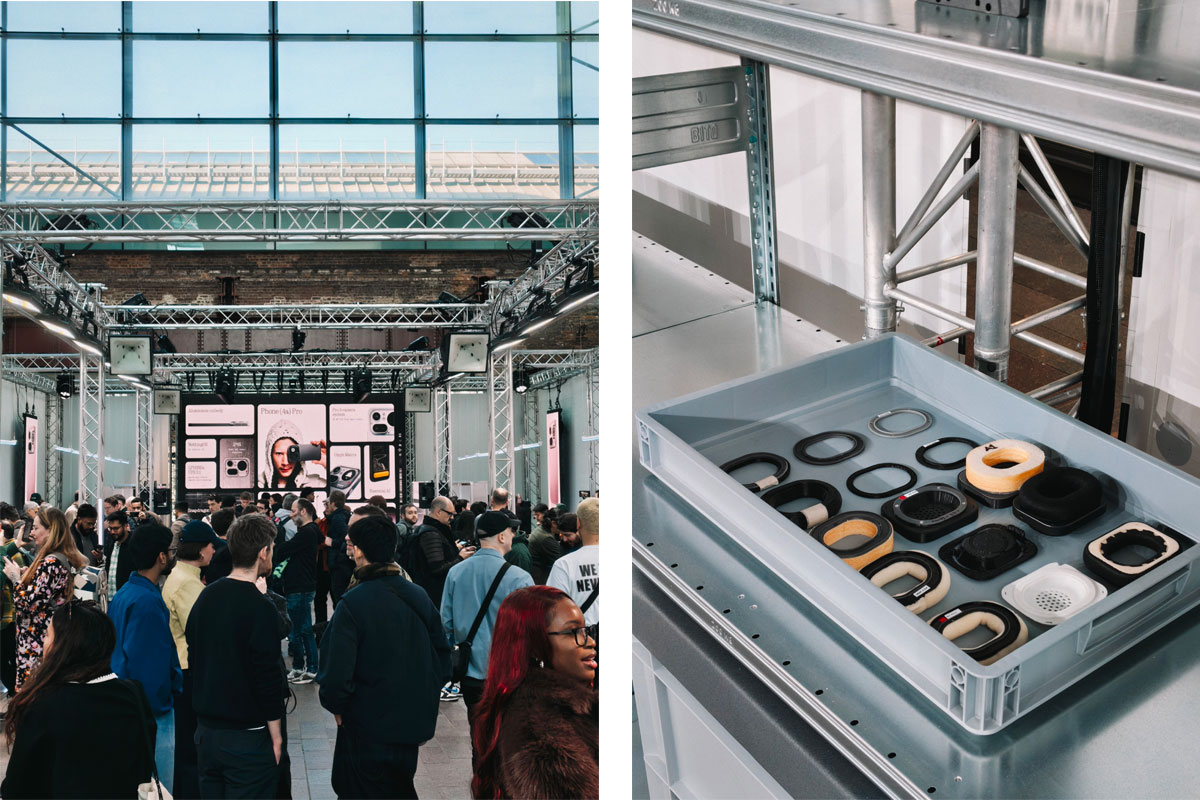
Nothing won’t tell you about how it’s doing things differently. Instead, it would rather show you.
This week, Nothing announced its latest suite of devices. Two phones; the (4a) and (4a) Pro and set of over-ear headphones; Headphone(a). At it’s keynote in London, CEO Carl Pei and CBO Charlie Smith described their vision of a world where people spend less time on their phones.
It’s a bold proposition: phones designed in a way that their makers hope they’re used less.
After the presentation, I sat down with Charlie Smith Nothing’s Chief Brand Officer. He’s a self-described optimist who truly believes that technology can enable us to live our lives more richly; if it is designed in the right way of course.
“What makes great design, it’s about the emotional connection that it has with us as humans,” he said.
If you’re tapped into the fashion industry, his name will be familiar. Smith is fresh from a seven-year tenure at Loewe, where he was the Chief Marketing and Creative Officer. He was a key part of the team that lead Loewe from heritage leather goods maker to being one of the most culturally prominent and exciting brands of our time. And he’s not shy about sharing how his time at Loewe influenced him creatively.
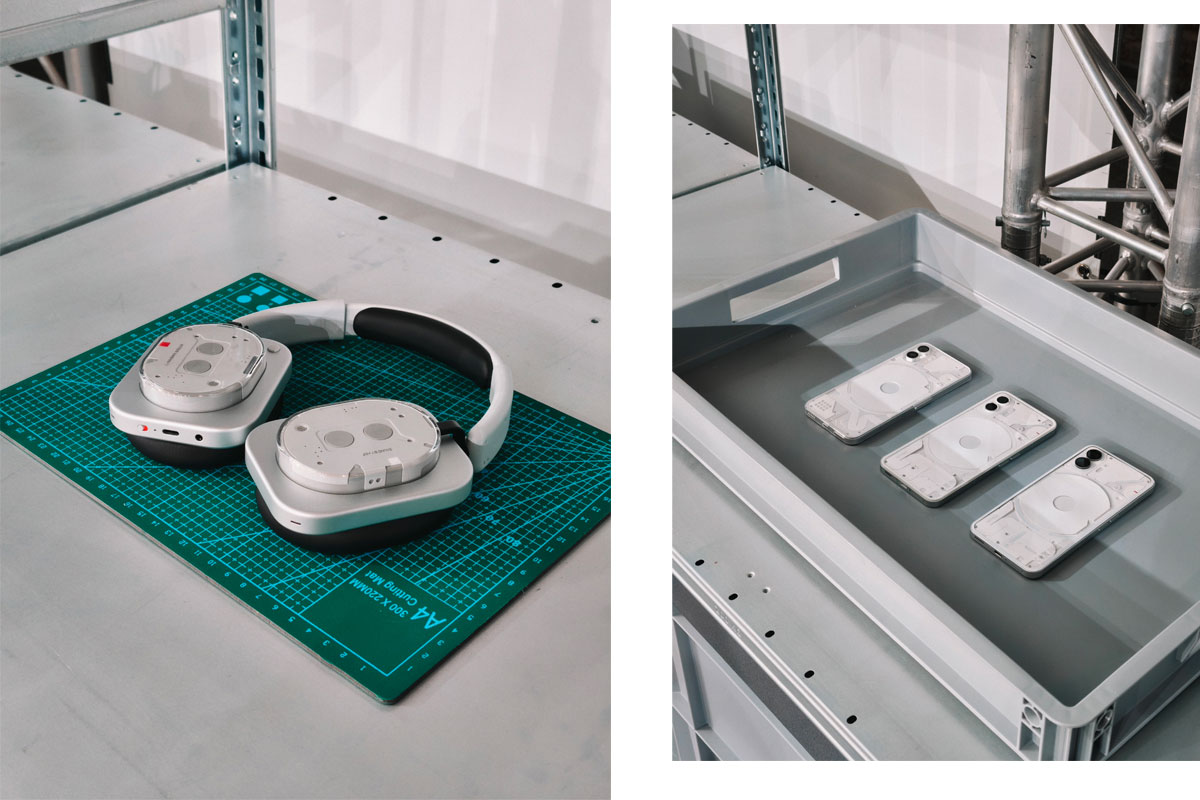
“Working with Jonathan Anderson, he’s genuinely a genius.”
It is impossible not to delve further. What was it was like to so intimately collaborate with someone like Jonathan Anderson, one of the most uniquely influential people of the 21st century?
“He’s someone who, I think he has an almost photographic memory, and he gets references from so many different parts of culture.”
He describes Jonathan as almost having a “magpie nature” in the way that he absorbs and translates culture; finding beauty and taking references from anything and anywhere. Smith tells the story of a moment where Jonathan Anderson saw a recently restored Pontormo painting in Florence. The vibrancy of the renewed colours in this painting inspired an entire Loewe collection, after they managed to get permission from an Italian priest to use it. It is this “multiplicity” and interconnected creativity that Smith now brings to Nothing.
“We need to be drawing inspiration from music, from fashion, from design, from art. I genuinely believe that in today’s world, to be a cultural brand, it’s about creating dialogue, and also being a patron of the arts.”
“I genuinely believe that in today’s world, to be a cultural brand, it’s about creating dialogue, and also being a patron of the arts.”
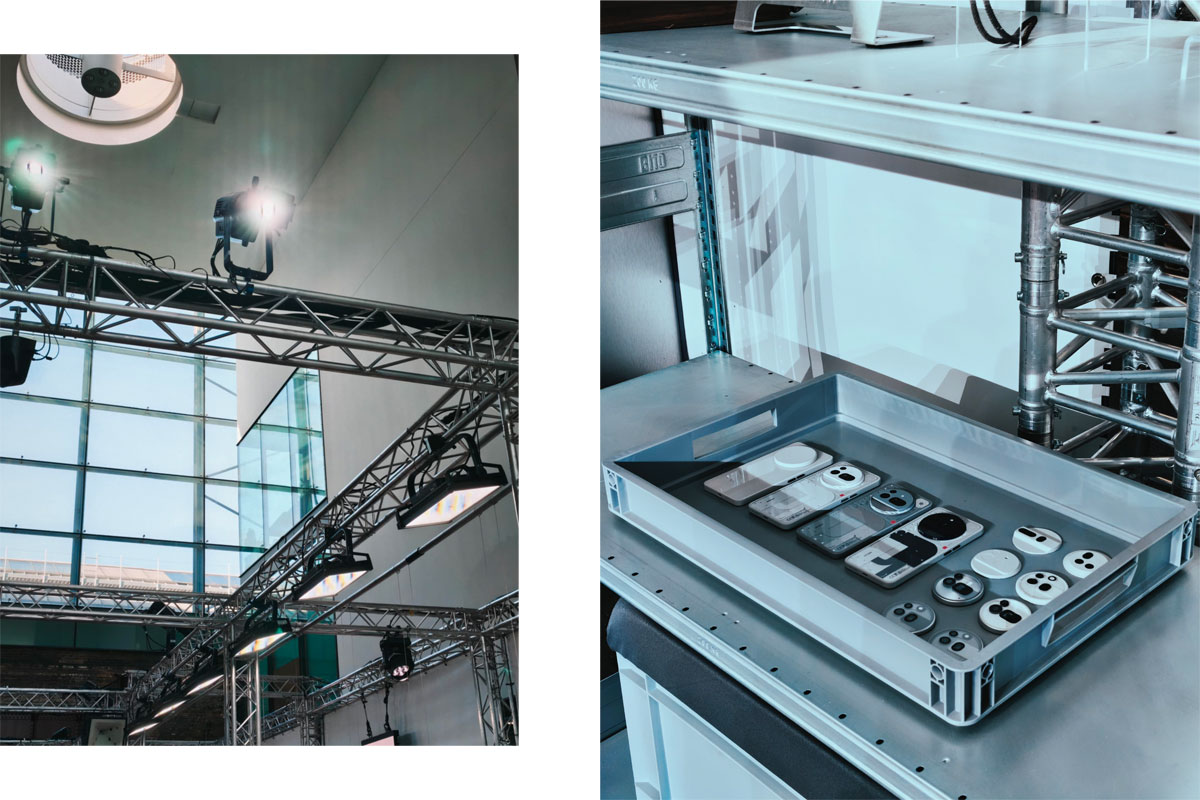
This ethos is why Nothing – guided by Smith – chose to hold its latest launch at Central Saint Martin, the school that gave us creative minds like Phoebe Philo, Alexander McQueen and Stella McCartney. It’s a hub that is currently developing the next generation, and where Nothing is now the sponsor of the fashion communications course.
Smith’s vision has already taken root. You can tangibly feel how Nothing is tapping into culture and fashion in an intelligent and unusually developed way for a brand that is only five years old. Anyone in the creative world would be hard-pressed to have missed the phenomenon that is La Watch Party. Where some brands are still attempting to dissect the concept, Nothing has already collaborated with the creator Lyas; most recently for the Dior La Watch Party during Paris Fashion Week.
“At Loewe one of the first things that we really did was challenge the conventions of the category,” he said. “That’s what I want to build with Nothing too.”
Nothing has already collaborated with the creator Lyas; most recently for the Dior La Watch Party during Paris Fashion Week.
It’s a big leap from luxury fashion to consumer technology, but Smith likens his experience of connecting with Nothing CEO Carl Pei to his experience with Jonathan Anderson.
“When I met Carl, I was super inspired by his brain. Carl is the kind of person who has 1000 ideas a day.”
Pei’s sense of innovation coupled with Nothing’s desire for community and co-creation within that community is what inspired Smith to crossover. Now, at the helm of Nothing’s brand identity, he talks of wanting to create a “cultural world”. One that is intrinsically connected to craft, art, film, music. A way to pour feeling into an industry that he says can sometimes be “soulless and boring”.
He talks of wanting to create a “cultural world”. One that is intrinsically connected to craft, art, film, music.
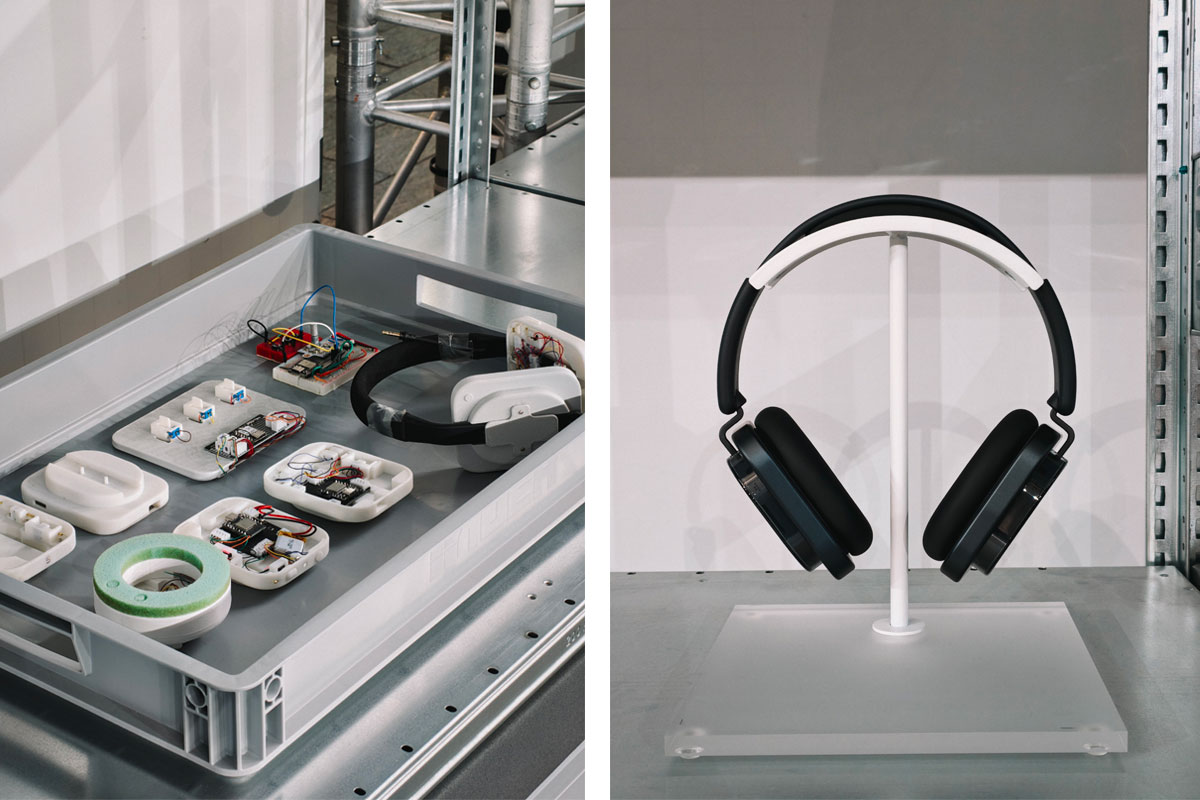
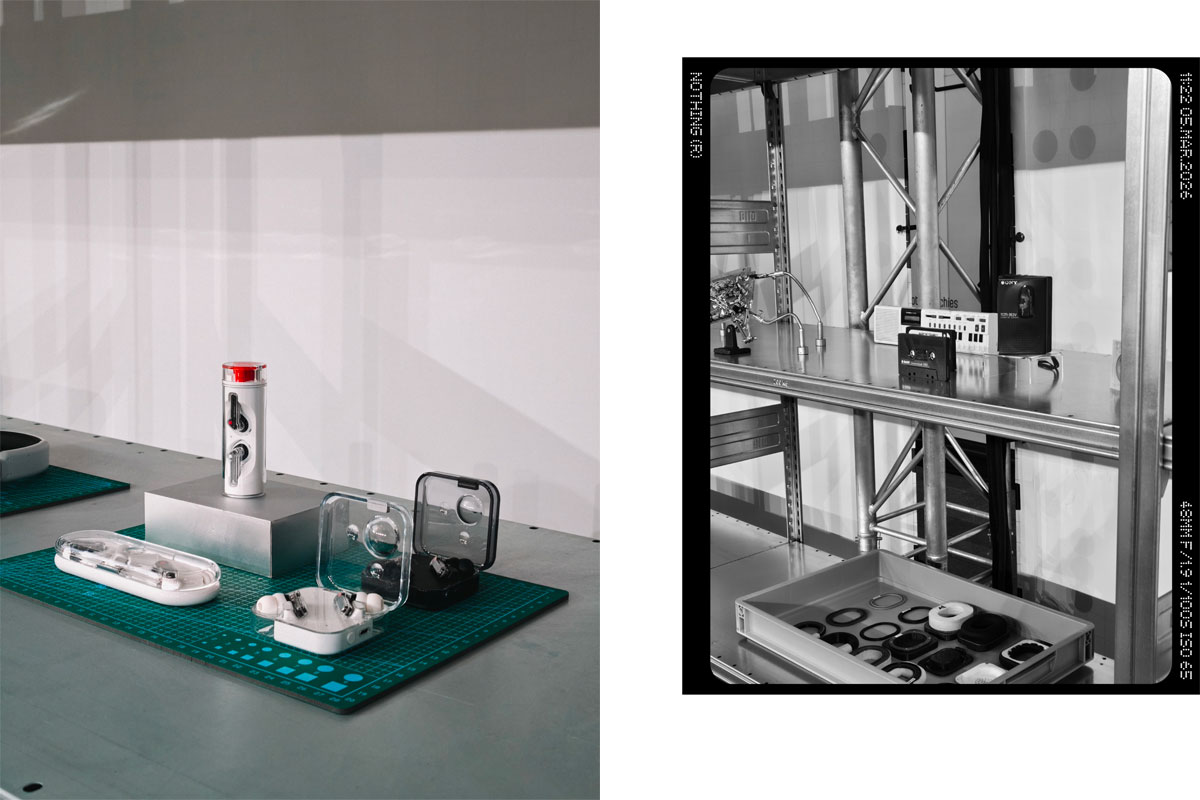
A child of the 90s, Smith recalls being captivated by Casio’s G Shock watches. Bold, bulky and multi-coloured. He’d venture into Hi-Fi stores filled with flashing lights and scrolling text. He owned a MiniDisc player that used to say good morning whenever he turned it on. It’s this sense of fun and personality that he wants to reintroduce to an industry that has been churning out plain black rectangles.
“If you follow us, you’re going to get exposed to amazing technological innovation, for sure, but also beautiful design, amazing music and fashion. We really are becoming almost like cultural magazine.”
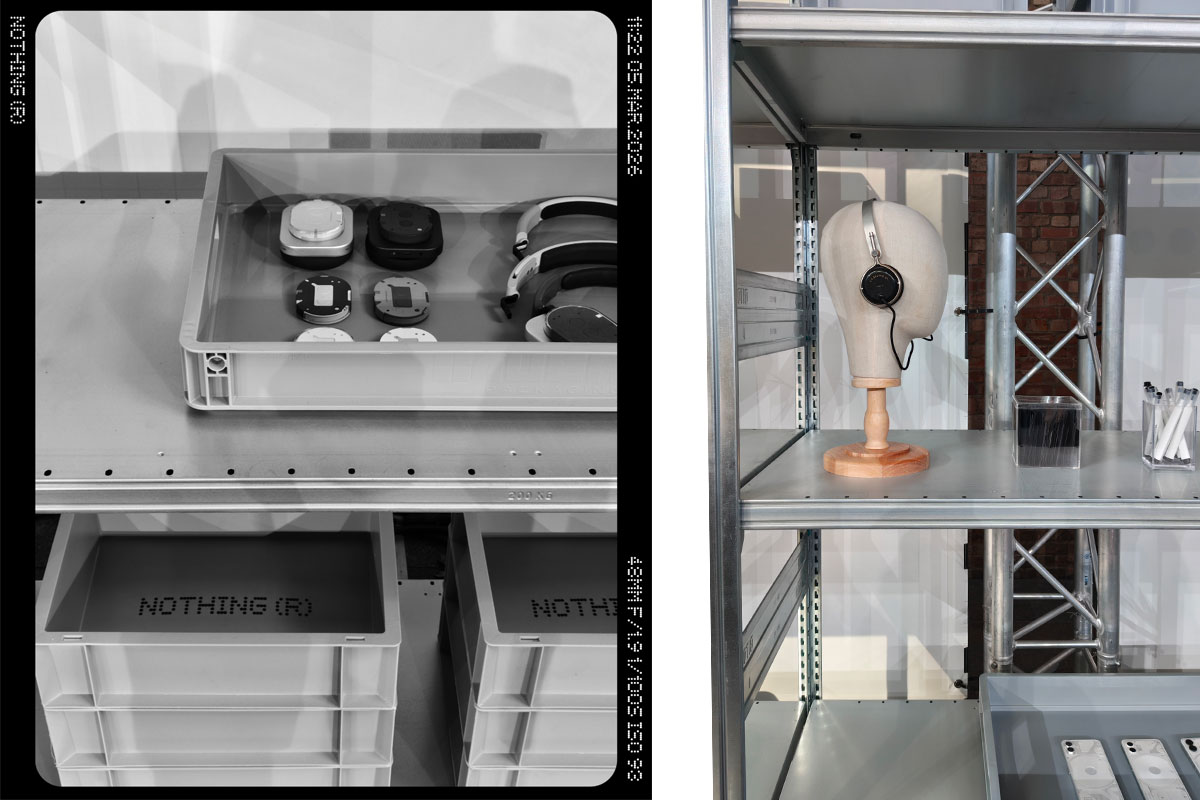
The notion of “rebellious creativity” is Nothing’s design-led North Star in this moment. What does that look like in a tactile way? Smith shares examples of embracing cultural references and a multitude of influences, citing everything from Bauhaus to Dadaism. In fact, he says Dadaism in particular is what breathed life into Nothing’s latest advertising campaign. Dadaism is an artistic response to the irrationality of war, and our current global context pushed Nothing to find answers in this movement; the brand defaced and graffitied its own billboards. Smith says “silly” acts like this is often the levity that people need in fraught moments like this – political uncertainty, doom scrolling, technological change – to reconnect with our humanity.
“I genuinely believe that we’re all currently drowning in digital overload,” said Smith. “I certainly am being bombarded across multiple different messaging apps every day. And then when I go into my phone to read them, I quite often get sucked into Instagram or Tiktok, and then I forget what message I was looking for in the first place.”
“I think we don’t even realise the baseline stress that this [digital overload] is causing us as humans.”
Smith’s vision for cultural artefact over plain device is a bold bet, one that could be truly transformative if Nothing can pull it off. Nothing’s marketing paradoxically challenges us to imagine a world is one where our phones work so intuitively and compatibly that we simply don’t need to be attached to them. Where our phones create memories and conversations, not replace them. This was the original inspiration Nothing’s signature Glyph infrastructure, which in the new *4a) Pro has been reinvented as the “Glyph Matrix” – an LED panel on the back of the phone that can be customised to alert you to specific notifications and contacts. It means you can keep your phone facing screen down, live in the moment, and trust that your phone will alert you when you need it to. No more, no less.
“I think we don’t even realise the baseline stress that this [digital overload] is causing us as humans.”
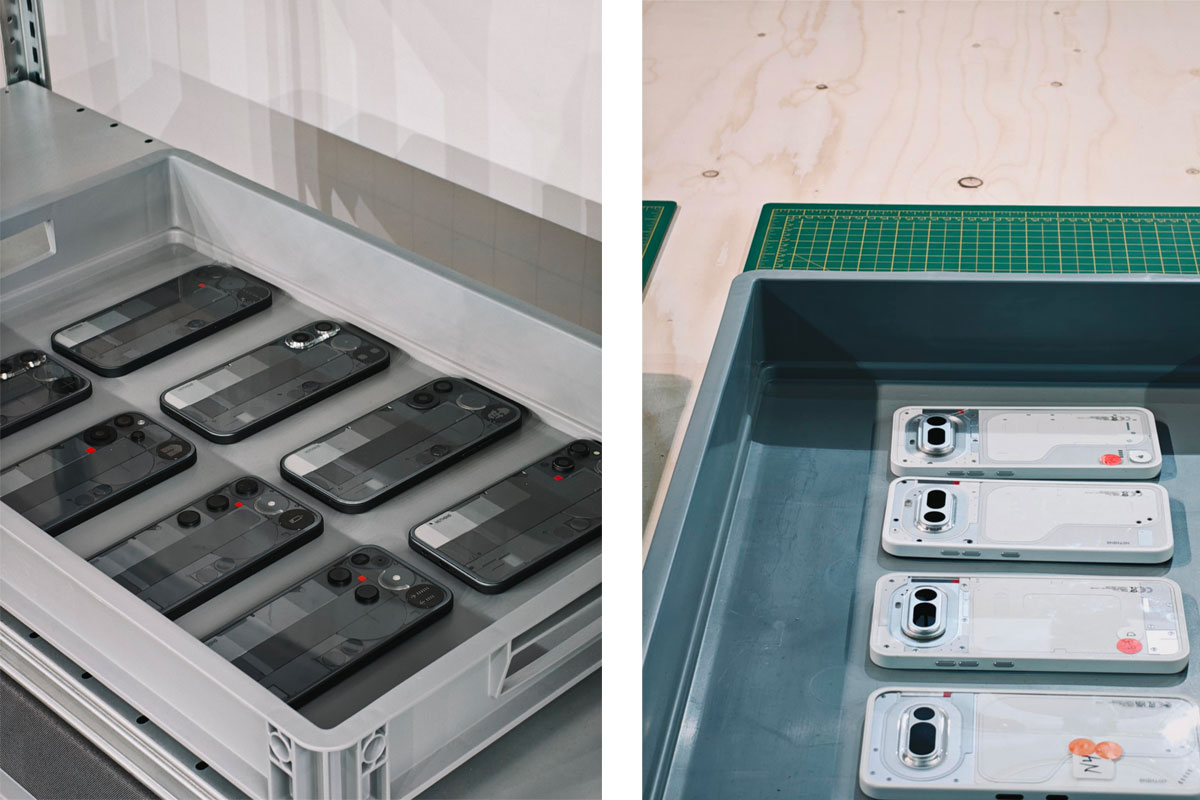
It’s inescapable at the this point, but eventually, that AI enters the conversation. AI has been the tech industry’s – nay, the world’s – favourite buzzword for years and AI-feature-stuffing has never been more persistent, whether consumers seem to want it or not.
Smith is an open supporter of the AI revolution, which he says is going to be as transformative to society as electricity or the internet. But Smith doesn’t see AI replacing humans. Rather he views AI as a conduit for us to live a more human experience, a way to simplify and curate our lives so we can go about actually living them. Nothing is not shy about it’s suite of AI-powered features, all of which can be turned off should the user wish to disengage with them. Built with the goal of streamlining daily life, Nothing’s answer to AI is a high-powered search function that works across apps, personalised results and the ability to “vibe code” your own apps and share them with the broader Nothing community.
Rather he views AI as a conduit for us to live a more human experience, a way to simplify and curate our lives so we can go about actually living them.
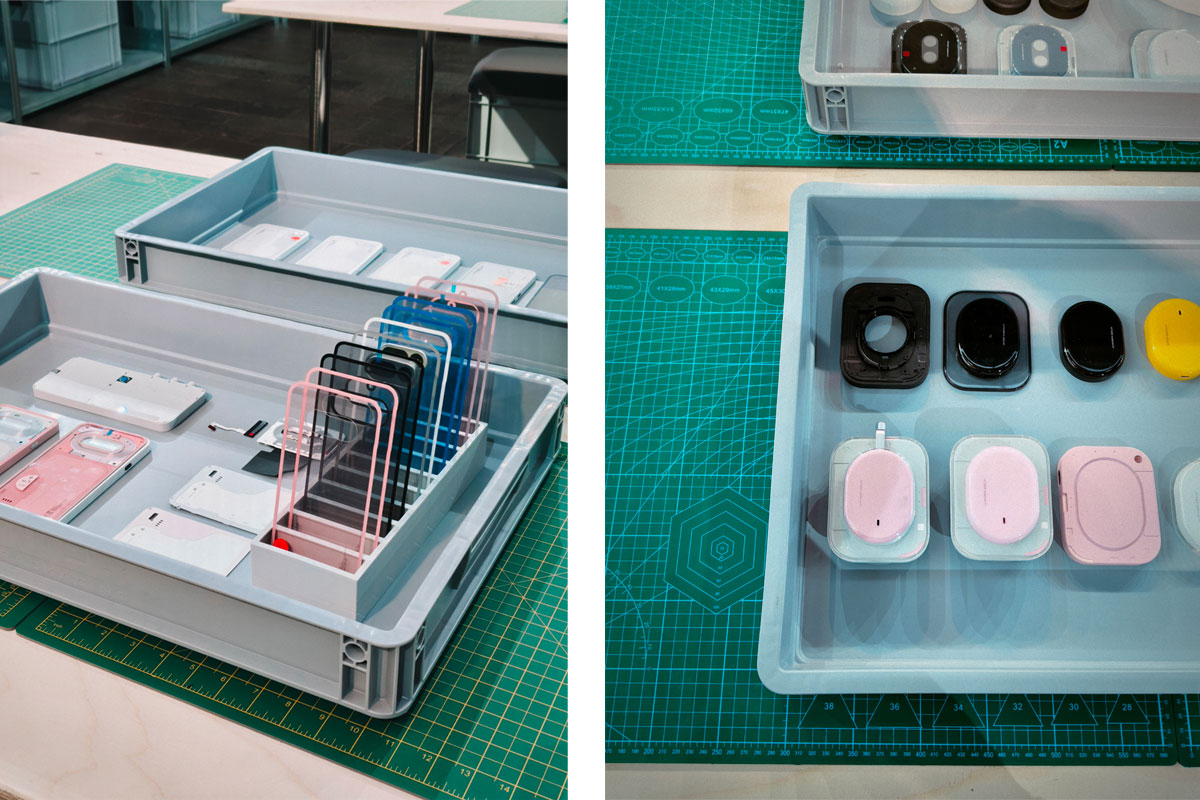
“I genuinely believe that AI can be harnessed in a way where it does aid our creativity and enable us to live our lives more richly if it’s used in the right way. I’m really passionate about being part of a company that wants to try and achieve that.”
It’s an alternative kind of vision for what technology could give to us in our lives. To have better connections with our friends and family, to be more creative, to be less distracted. A culture-focused, community-driven world where technology takes a backseat, to real-life experience.
Mia Steiber travelled as a guest of Nothing to London.
Stay inspired, follow us.