
‘‘A country of knockers.’’
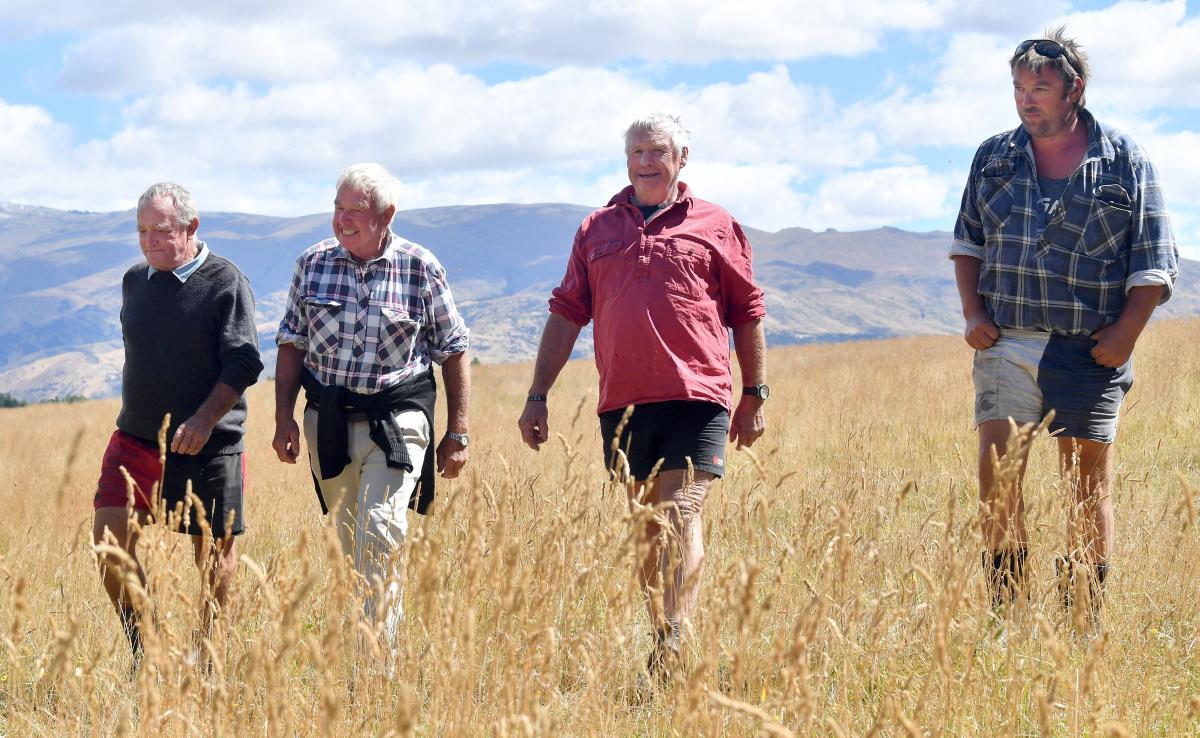
That is where longtime Tarras resident Peter Jolly fears New Zealand is heading if it doesn’t embrace projects such as Santana’s proposed Bendigo gold mine.
‘‘I think it’s a bit like an airport [at Tarras] — it has to happen. If it doesn’t happen, we’re stuffed. The country is stuffed. What’s our future then?’’ he said this week.
Mr Jolly, 74, believed the name of vocal opposition group Sustainable Tarras was ironic — ‘‘because Tarras is not sustainable the way it’s going at the moment. We’re going backwards; have been for the last 15 years’’.
He was saddened by the division in the community and acknowledged long-standing locals had probably been ‘‘guilty of shutting up and getting on with it’’ rather than speaking out against what he — and other generational Tarras families — believed were the opinions of a minority.
That was coupled with a frustration that those not living in the area, nor directly affected by the proposal, had been given a platform to air their opinions, and that Sustainable Tarras was chaired by a Wellington resident, Suze Keith.
It was the goldrush in the 1860s that brought Mr Jolly’s great-grandfather and great-great uncle to Cromwell, establishing D.A. Jolly and Sons stores in Cromwell, Bannockburn, Tarras and Wānaka to supply provisions.
He was excited about the latest potential rush, seeing it as a good thing for his struggling community through employment and benefits to the wider area.
Tarras used to be the envy of other communities for the services it offered but those days were long gone, he said. When he was a boy, the local school boasted four teachers and had a roll of more than 80 pupils.
He and fellow farmer Robbie Gibson, whose family has been on the land at Tarras for more than 100 years, began reeling off the groups and organisations that existed when they were young men, including cricket, rugby, tennis, drama, shooting and pony club.
‘‘We need more people in Tarras, number one. Young people, not has-beens like us. Tarras needs more young people,’’ Mr Jolly said.
‘‘Done properly,’’ he said he could not see any issues with the project and, having attended a meeting with Santana personnel, he was reassured by the answers to his questions.
Mr Gibson, 71, said the splintering of the community was a continuation of objections to a community irrigation scheme mooted a few years ago, followed by the minimum-flow debate on the Lindis River, Christchurch International Airport’s suggestion of an airport in the district, and then the mine.
‘‘The locals have gone to ground really. It’s the new people in our community doing this stirring,’’ he said.
He believed the mine was exciting, keeping people in the area rather than having to leave for job opportunities and boosting the school and services in a community where a sense of community was being lost.
‘‘It’s hard for people who haven’t grown up in a rural community to know what it’s all about,’’ he said.
Mr Gibson, who had met Santana management, believed the company was being transparent and he was annoyed by those who ‘‘don’t want to look at the facts’’.
‘‘They are just anti because they are anti,’’ Mr Jolly added.
For the past five years, fourth-generation Tarras farmer Jonny Trevathan has described the area his family has called home since 1914 as ‘‘several communities living within a district’’.
The Trevathan family are potentially the most directly affected as they farm directly below the watershed, and Jonny himself is still undecided as to whether the opportunities outweighed the negatives.
He said he had some concerns as to potential impacts on their business, particularly around water quality, saying there were things that could still happen outside human control.
Last week, he finally managed to get a sit-down meeting with Santana management to outline those concerns which he had now been asked to put in writing for the company to respond to.
‘‘We felt like everyone had been open enough; we didn’t feel they were trying to hide too much from us and I think they understood and respected where we were coming from,’’ he said.
Mr Trevathan said he did not see any point spending energy and money trying to stop the mine going ahead. Instead, the district should focus at the opportunities the mine afforded it.
He suggested a group needed to be established in Tarras to collect an annual donation from Santana and then delegate where it was to be spent. The local hall was ‘‘falling down’’, the tennis courts needed finished and if a new bore was put down, then that could irrigate the rugby grounds which would then attract more games. If Santana’s job predictions were correct, then it might be possible to field a local rugby team again or reinstate a tennis competition, he said.
The Trevathans recently completed a resource consent application to subdivide land; most of the objectors had not been in the area very long and the process had cost the family more than $100,000 so far. If more people were coming to the area, then the council also needed to make it easier for subdivisions to happen, he said.
Third-generation Tarras resident and firefighter Mark Davidson, who has previously spoken in support of the mine, said Tarras was the place it was today because of the stewardship of those families who had lived there for generations. He referred to the ‘‘anti-everything-crowd’’ opposing the mine.
Local contractor Skip Johnston might not have lived in Tarras all his life but he reckoned he had been there at least 15 to 20 years and he believed the ‘‘big picture’’ needed consideration.
When younger people came to areas with their families, then that helped make a community, he said. As groundsman at the local golf course — established 85 years ago through the generosity of local farmers — he expected the club would attract more golfers ‘‘and all that stuff that keeps a community going’’.
When contacted by the Otago Daily Times for their response, a Sustainable Tarras spokesperson said the group knew there were people in favour of the mine, including in the Tarras community.
The group was not anti-mining, anti-development or anti-progress and its members voted across the political spectrum and included farmers, business owners, employees, entrepreneurs and even miners. Many lived very close to the mine site.
It was not a ‘‘war of numbers’’, nor about who had lived in Tarras the longest; it was an indication that significant number of people, including Tarras locals, Central Otago residents, and those who lived further afield, were concerned about the use of fast-track for the proposal, and the precedent it could set for other large open-cast mine projects in wider Otago.
Opinions expressed by the likes of Sir Sam Neill, Sir Grahame Sydney, Sir Ian Taylor and Helen Clark were their own and they had spoken out for their own reasons, the spokesperson said.