
This is probably the year the car market turns it around. I don’t see a huge positive sales swing. We’re not going to hit SAAR 17 million at any point. It’s just that stability finally seemed at hand. There was the pandemic, the chip shortage, the rush to make EVs, then the crash of a new administration and tariffs. The car market has sort of felt like that episode of The Simpsons with Sideshow Bob stepping on a series of rakes spread out in all directions. That’s all over, right? Natalie Portman Face: Right?
The War in Iran, or the limited police action, or whatever, is the next rake. Will it be fine? It’ll probably be fine. I could predict a recession in every Morning Dump, and eventually I’d be right. Mostly, though, the economy has done a pretty good job of pushing forward. Even a middling year would probably be alright for the car market.


A global recession, though, would wreak absolute havoc on an industry that keeps getting knocked down and can only get up so many times. Already, the owners of F1 are taking it in the shorts as they’re having to potentially delay or cancel numerous races due to the, uh, organized kerfuffle in the Middle East.
Stellantis is one of the companies most at risk in this situation, and one longtime company leader has left the company. Toyota is, too, but Toyota is probably in a better position and is trying to strengthen its supply chain by purchasing a chipmaker.
What Happens If The Economy Looks Down?
The fact that I keep invoking cartoons in my argument is probably a reflection of the kind of mature, thoughtful analysis you can expect if you are first time TMD reader. My number one, most used reference is to that moment in a Roadrunner cartoon when the character Wile E. Coyote runs off a cliff. In the strange gravity of the universe, the Coyote doesn’t fall until he looks down. It’s not the gravity that kills you; it’s the acknowledgement of gravity that comes before the fall.
That’s roughly how I feel about the current economic situation relative to the car market. A record number of buyers have negative equity on their cars. Sales are slowing down a little. Affordability is a concern. There’s now $1.59 trillion of automotive debt out there. That’s all scary, though it isn’t exactly new. This happens from time to time, and it’s not usually fatal. It probably won’t be fatal in this case. It’ll probably be fine.
A few bad things can happen, and we’ll get through them. The trick is, all the bad things can’t happen at once. The fact that gas prices have risen the most in the last four days since Hurricane Katrina is bad, but gas prices aren’t close to a peak. The economy is losing jobs, and unemployment is up. That happens sometimes, too.
I think the question to consider is how long this lasts. If this is, erm, strategic intervention is limited, it’s probably fine. No one looks down. The economy is not dragged into the bottom of the canyon. If it lasts longer, though? What happens next is a little harder to predict. Analysts at equity research firm Bernstein have some thoughts, via Automotive News, and they propose three possible outcomes:
There is direct disruption to sales inside Iran. There is disruption to vehicle deliveries throughout the region, affecting wider shipments and sales at international players.
Big regional sellers such as Toyota or Hyundai could feel this pinch. So might producers of exotics and high-end sports cars, such as Ferrari.
Finally, there is disruption from rising pump prices, due to interrupted oil tanker movement through the Strait of Hormuz. Higher crude prices could negatively affect automakers such as Stellantis, which are heavily invested in internal combustion powertrains.
[…]
“Against this backdrop, the ongoing conflict highlights the potential magnitude of disruption,” Bernstein wrote. “By far the biggest risk is that a prolonged war continues to drive up oil prices and undermine confidence in the global economy, crashing auto sales well beyond the Gulf.”
Obviously, if you sell cars in Iran or rely on moving your exotics in the Middle East, that process might be disrupted. If you rely on shipping stuff through the Strait of Hormuz, that’ll be pretty annoying, too. The biggest risk in the United States, though, is that the confidence goes away. That we all look down.
If that happens, then all those people with upside-down cars can’t make car payments on cars that will, suddenly, lose value. The current plan of pushing out a lot of cars with gas engines, as Stellantis is planning to do with the return of V8 engines, is a lot harder to pull off if gas prices are high. Carmakers like VW are already short on cash, and any borrowing in order to change directions is going to get tougher.
The car market needs a boring year.
What’s F1 Going To Do?
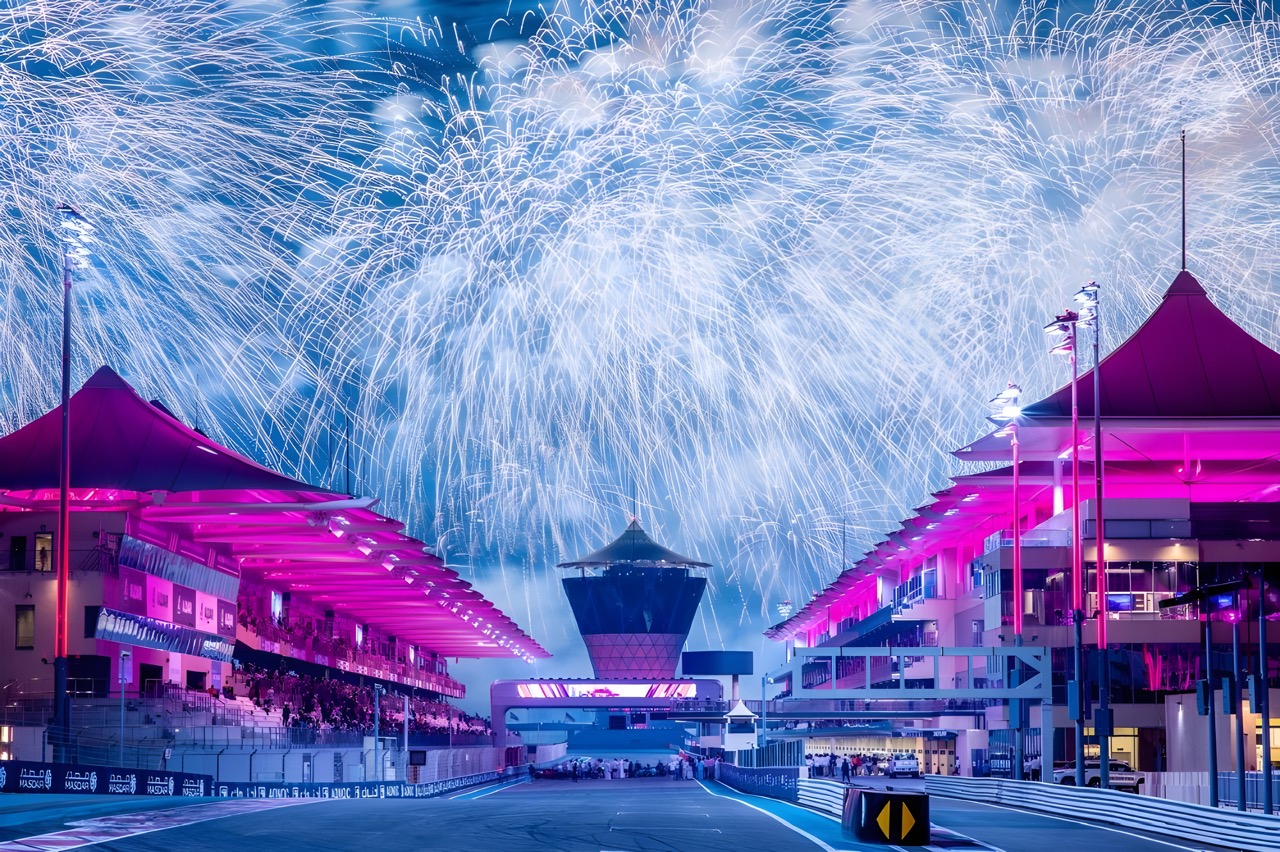 Photo: Newspress
The expansion of the Formula One calendar has taken place primarily in the United States and the Arabian Peninsula. This year, there’s Bahrain, Abu Dhabi, Qatar, and Saudi Arabia. Hell, this weekend’s race in Australia is the Qatar Airways Australian Grand Prix.
For reasons both financial and aesthetic, the expansion of racing in the region makes sense. While plenty of new fans are here for the incredible cars, talented drivers, and the drama of racing, for some, it’s just another Instagram backdrop. The whole illusion of wealth created by people posing in grounded private jets, drinking champagne against one of any number of supposedly “safe” urban backgrounds.
The illusion of safety has been pierced, and it would be unwise to have a race there right now. This is having a big impact on the company, as Bloomberg reports:
Liberty Media Corp.’s Formula One has seen $1.9 billion wiped off its market value since the Iran war began, as concerns about races in the Middle East weigh on one of the world’s most popular sports.
The new F1 season begins this weekend in Melbourne, Australia, the first of 24 races in 2026. Uncertainty surrounds two races next month in Bahrain and Saudi Arabia, with the conflict ramping up across the region. The Qatar and Abu Dhabi grand prix are due to round off the season toward the end of the year.
Shares of Liberty Formula One, the vehicle that owns the competition, have dropped over 7% in New York so far this week.
As always, against the backdrop of real human suffering, share prices aren’t really that important, but it’s yet another reminder that we all share oxygen on a little ball that is negligibly small in the vast ocean of space.
Chrysler CEO Leaves Company To ‘Focus On My Family’
 Photo: Stellantis
When I took this job, it was partially to focus on my family. The whole filmmaking thing was so much fun, and I’m grateful I had the chance to do it, but my kid is only going to be a kid for so long and being on the road that much sucked. I’m so lucky that The Autopian launched when it did and that I was invited to come along for the ride.
So I try not to be suspicious when people say they leave a job to focus on their family. It happens! That’s what Chrysler and Alfa Romeo North America CEO Christine Feuell told the Detroit Free Press:
Feuell told the Detroit Free Press she is leaving the company with “immense gratitude,” saying she left to spend more time with her family.
“My decision to leave Stellantis was not easy but I needed to step away to focus on my family,” Feuell wrote in a message. “I leave with immense gratitude and complete confidence in the talented team that I had the privilege to build and work alongside.”
There are more important things than work.
Toyota’s Denso Unit Might Buy A Chipmaker
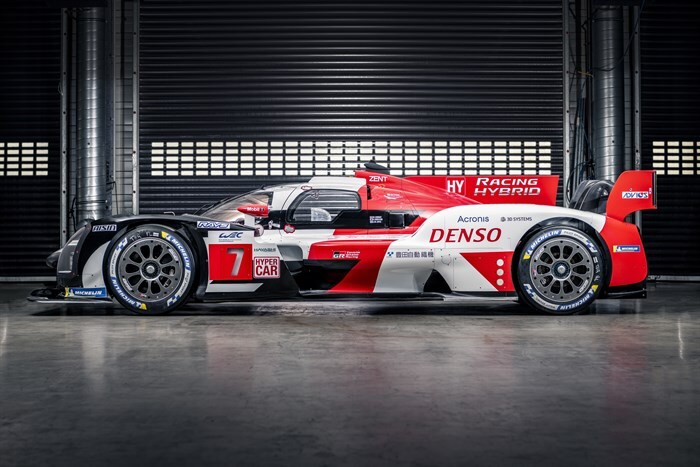 Photo: Toyota Gazoo Racing
Toyota has been on a bit of a buying spree lately as it spends cash to try to take control of more of its operations. This stuff is not as exciting as winning on Sunday if you’re a Toyota fan. However, there’s no sell-on-Monday if you don’t have the parts to make the cars.
The latest venture from Toyota is an attempt to buy Japanese chipmaker Rohm.
If the deal materializes, the two companies would be a major force in Japan for power semiconductors, which are used in electric vehicles and data centers.
The proposal was apparently made in February or earlier, and Rohm has set up a special committee to discuss whether to accept it. If Rohm rejects the proposal, Denso may proceed with a hostile takeover bid.
Denso commented Friday on its proposal for Rohm, stating, “we are considering various strategic options including the acquisition of Rohm shares.” The company also said no specific decisions have been made at this point but that it will “promptly disclose any material facts that are decided to be disclosed.”
Seems like a smart buy to me.
What I’m Listening To While Writing TMD
Peter said this song, “It’s A Miracle” by Culture Club, was stuck in his head, and it’s amusing to me to keep it there. Also, it’s a bop.
The Big Question
Where would be the worst race track currently in existence to have an F1 race right now?
Top graphic images: Jeep; The Autopian