
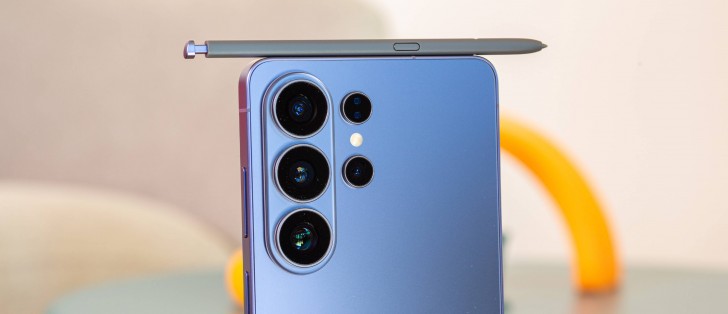
Competition
The Galaxy S26 Ultra launches at €1,450/$1,300/£1,280 for the 12GB/256GB base version, which is about as much as last year’s S25 Ultra. However, the storage upgrades to 512GB and 1TB are notably pricier than before, most likely due to rising memory chip prices.
The Xiaomi 17 Ultra won’t be the only Ultra that Samsung’s top-tier phone is going to face globally. We also have the vivo X300 Ultra and even the Oppo Find X9 Ultra just around the corner.
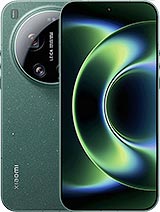

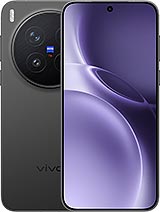
Xiaomi 17 Ultra • Oppo Find X9 Pro • vivo X300 Pro
And if the vivo X300 Pro and the Oppo Find X9 Pro’s camera performance is of any indication, the X300 Ultra and the X9 Ultra will likely blow the S26 Ultra out of the water. We already reviewed the Xiaomi 17 Ultra, and it outperforms the S26 Ultra in key aspects such as camera and battery life, to name a few.

Apple iPhone 17 Pro Max • Google Pixel 10 Pro XL • Samsung Galaxy S26 Ultra
We are happy to see the S26 Ultra finally catch up to its peers when it comes to charging, but Samsung’s reluctance to incorporate Si/C batteries and upgrade the camera hardware with a larger telephoto sensor has had the S Ultra phones lagging behind for a couple of years now in the eyes of tech enthusiasts.
Samsung appears unfazed by this fact, and so is its market share. In a key market like the US, the South Korean tech giant only has to worry about competing with Apple and Google. And on the US market, the Galaxy S26 Ultra is successfully closing the gap on rivals like the iPhone 17 Pro Max and the Google Pixel 10 Pro XL. In fact, the S26 Ultra comes out on top in terms of fast charging, and has the Pixel beaten in chipset performance and battery endurance and its more feature-rich display. And that’s before we even bring up the S Pen in the conversation.
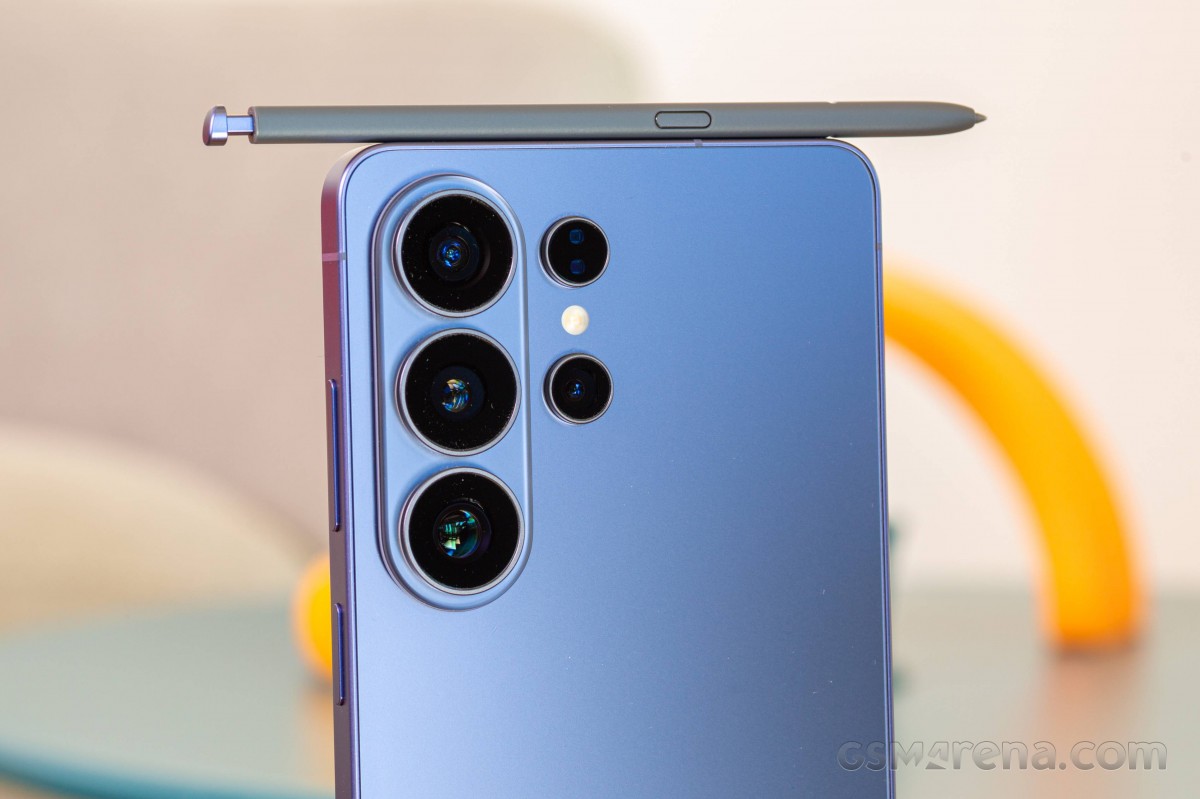
We also think the S25 Ultra is still a solid choice in 2026. With the modest upgrades this year, along with Samsung’s commitment to long software support, the S25 Ultra will remain relevant for years to come. So if you are not in it for the faster charging or the Privacy Display, and you want to keep the ability to take close-up photos, then you might as well grab last year’s Ultra and save a few bucks.
Verdict
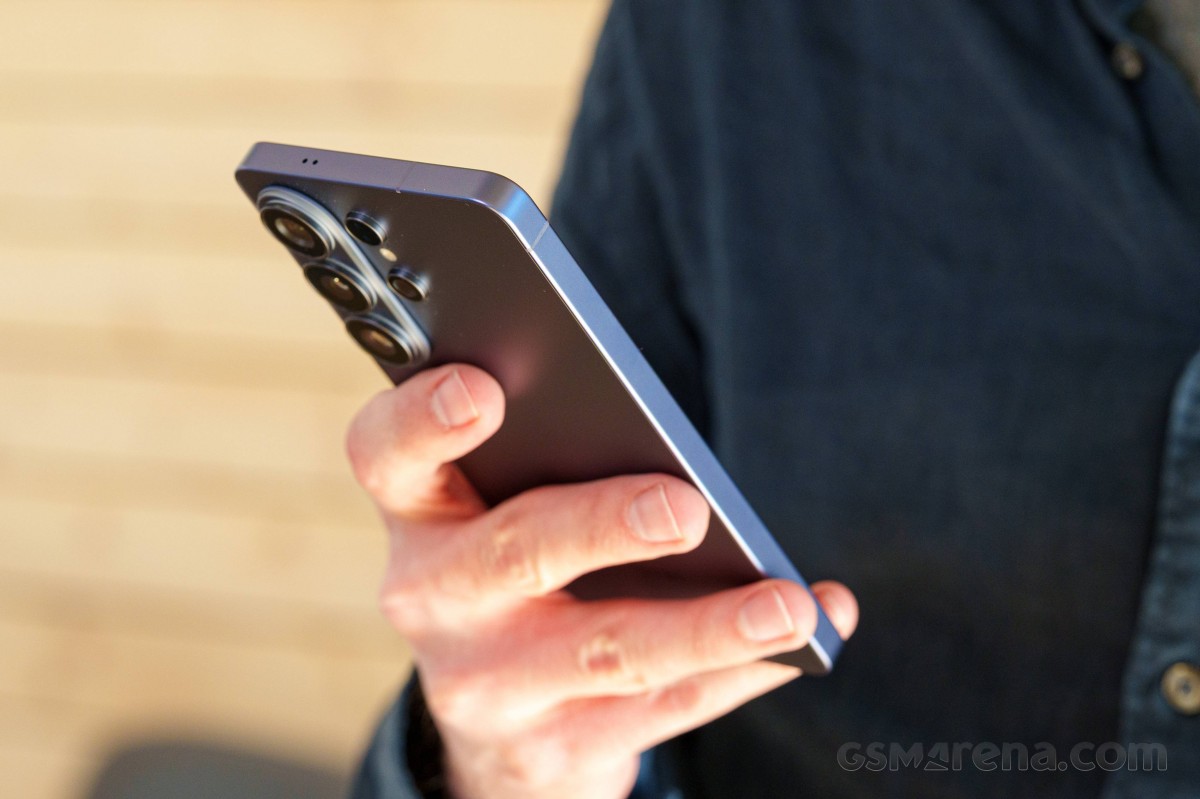
Despite the relatively modest hardware upgrades, the Galaxy S26 Ultra still manages to bring a few meaningful improvements. The new Privacy Display looks genuinely useful and doesn’t noticeably compromise the viewing experience. Faster charging finally brings the phone closer to its rivals, while battery life sees a welcome boost.
And, as always, the S Pen remains a defining feature of the Ultra lineup – one that still sets Samsung apart from the competition.
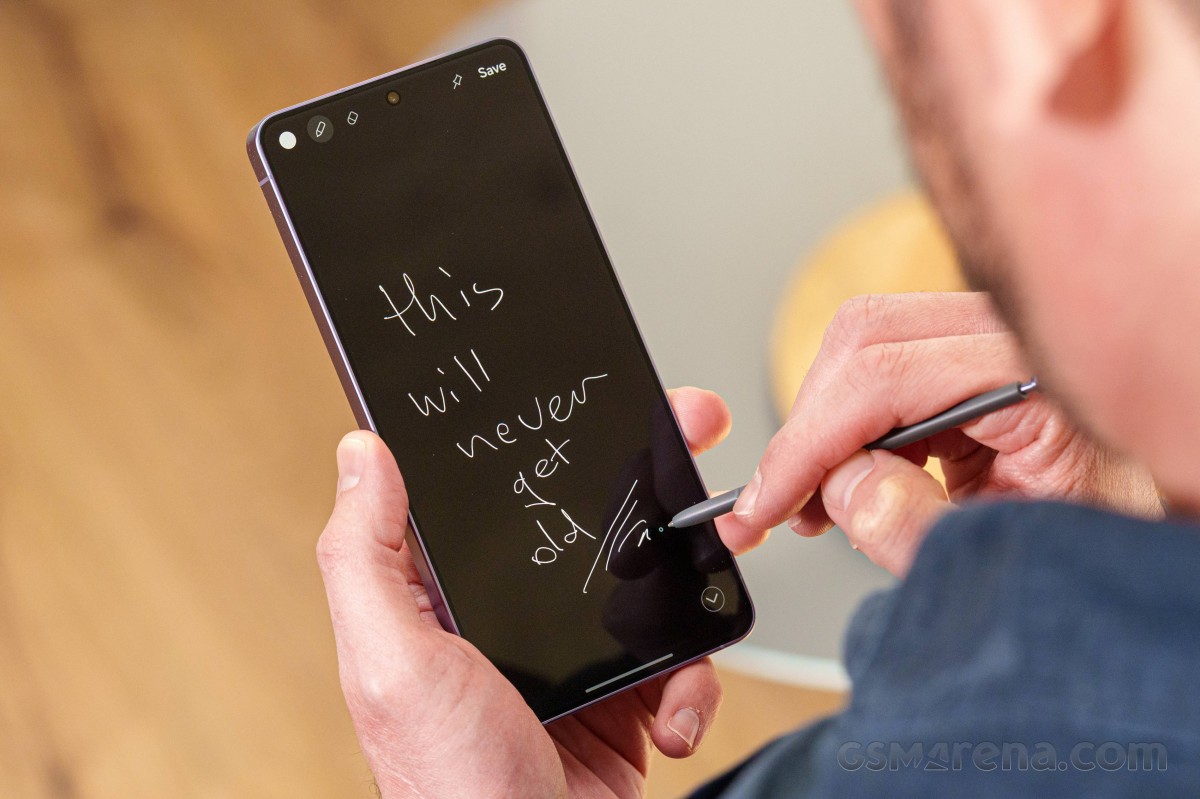
Some of the new AI features, along with improvements to existing ones, are genuinely interesting. However, limited language support means not everyone will benefit from them, and many of these capabilities remain restricted to Samsung’s own system apps.
Even with these improvements, the S26 Ultra struggles to stand out against its Android rivals in several key areas. For instance, the subtle camera downgrades we see this year are particularly puzzling, considering that the S25 Ultra was already trailing some competing flagships in camera performance. The relatively limited battery capacity is another concern Samsung may need to address sooner rather than later, as marginal gains in endurance are no longer enough at this level. The switch from a titanium to an aluminum frame also came shortly after Apple dropped titanium as a frame material for its iPhones.
In many ways, this seems to be the overarching theme behind this year’s Ultra formula: avoid costly hardware leaps, add just enough upgrades to maintain parity with the competition, and lean heavily on AI features where Samsung currently has the upper hand. Throw in a couple of headline-grabbing additions like Privacy Display and Horizon Lock – the kind that look great in marketing materials and social media clips – and the strategy becomes fairly easy to read.
It’s an unexciting upgrade this one, but even as it is, the company has once again delivered a well-balanced device with no major flaws and a few standout features that the competition still can’t quite match. Whether that will be enough to justify a flagship price tag north of $1,000/€1,000 is something the market will ultimately decide.
Pros
Thinner and lighter design
Solid screen as always, now with the cool new Privacy Display.
Improved battery life out of the same capacity cell.
Leading the way with mobile AI features.
Much faster charging capabilities.
Nicer-sounding speakers.
S Pen is still a unique feature.
Cool new features for videography enthusiasts.
Cons
‘Basic’ IP68 rating – other Androids get IP69, iPhones can go deeper.
Battery density and capacity are still behind the curve.
Display is missing bit depth, high-frequency PWM and Dolby Vision support.
The camera hardware drags behind the top Android cameraphones.
CPU throttles heavily under longer loads.