
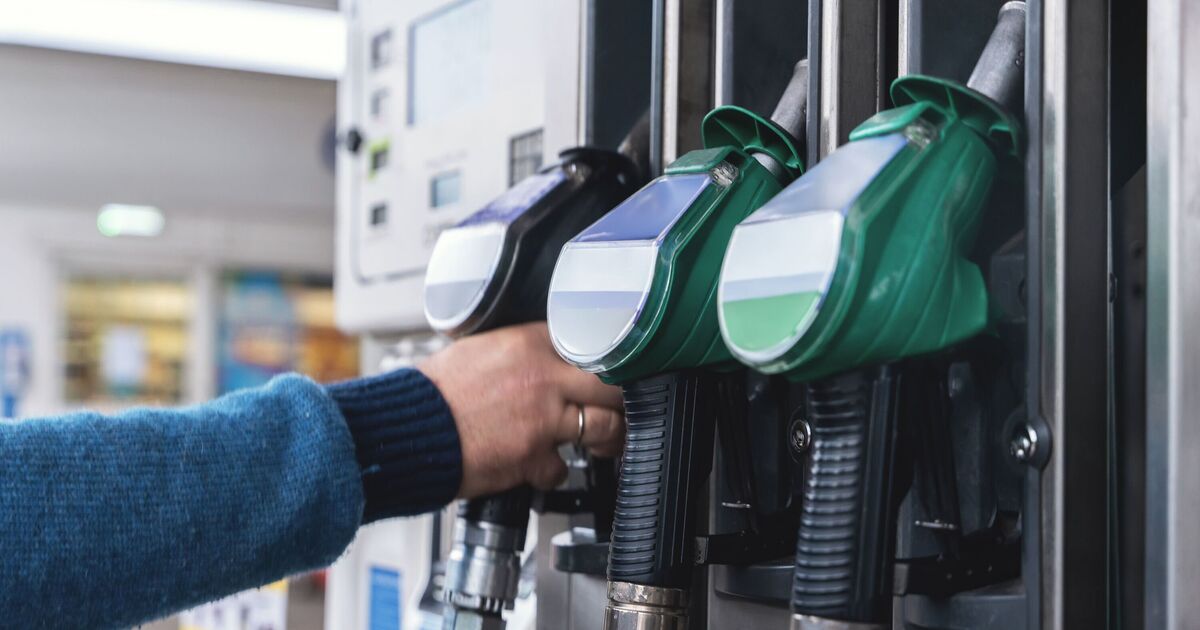
Petrol and diesel costs have soared by as much as 6p-a-litre to a 16-month high just a week after conflict began in the Middle East. New data from the RAC has found the average diesel prices hit 148.4p on Friday, up on the 142.4p per litre recorded just last week, the highest diesel price rise since August 2024.
Petrol prices have also soared with costs almost 4p per litre higher since last Saturday. Petrol prices are now trading at around 136.5p, up on the 132.8p paid by drivers just seven days ago. It comes after the price of Brent crude oil has soared, with the commodity trading at $92 a barrel, a staggering rise on the $80 price recorded earlier this week.
Experts have warned the staggering rate of oil price rises could see motorists have hundreds of pounds added to their annual running costs as the Middle East oil crisis worsens. Experts at the Energy and Climate Intelligence Unit (ECIU) have predicted road users may see as much as £500 added to their annual petrol and diesel bills if global oil prices continue to soar.
New analysis by the ECIU of the past relationship between the price of a barrel of oil and the price of petrol has predicted that oil trading at $100 a barrel will likely lead to petrol prices jumping from 135p per litre to 150p.
If oil hits $150 a barrel, petrol prices in the UK could reach a whopping £1.90 a litre, increasing refuelling costs by over £500 a year.
Colin Walker, Head of Transport at the Energy and Climate Intelligence Unit said: “Such an increase in the price of oil could see a litre of petrol jumping to around £1.90 – a price last seen in 2022 after Russia’s invasion of Ukraine – adding over £500 to the average fuel bill of a British petrol car driver.
“But with 1.8m EVs now on the UK’s roads, an increasing number of British drivers are insulated from these spikes in international energy markets.
Qatar’s Energy Minister Saad al-Kaabi has predicted that it was possible that oil prices could hit $150 per barrel.
The Minister stressed that the conflict could see Gulf energy exporters shut down production within days which would have a drastic knock-on effect on pricing.
Kaabi told the Financial Times: “If this war continues for a few weeks, GDP growth around the world will be impacted. Everybody’s energy price is going to go higher. There will be shortages of some products and there will be a chain reaction of factories that cannot supply.”