
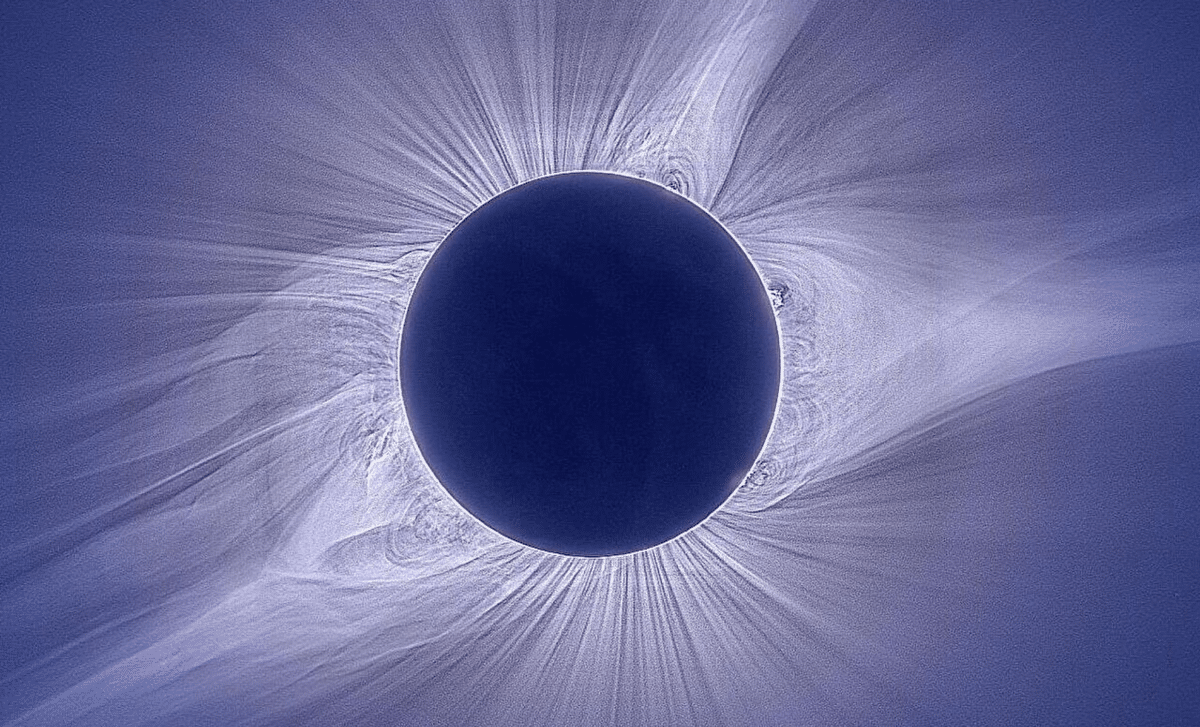
On April 8, 2024, millions across the globe were captivated by the rare and mesmerizing phenomenon of a total solar eclipse. In an unprecedented effort to document this celestial event, NASA’s Eclipse Megamovie Project gathered invaluable data from 143 volunteer-led observatories across the United States. The project’s dataset, which includes 52,469 images of the sun’s corona, is now publicly available, providing the most detailed views ever captured of this outer layer of the sun. This research, produced in collaboration with Sonoma State University, UC Berkeley, and NASA’s Goddard Space Flight Center, is poised to revolutionize our understanding of the sun’s dynamic activity. The data will not only help scientists study solar phenomena like coronal mass ejections but also pave the way for new advancements in solar research.
The Historic Contribution of Citizen Scientists
One of the most remarkable aspects of the Eclipse Megamovie Project is the participation of citizen scientists, volunteers who helped collect images using their own equipment. These volunteers set up across multiple U.S. locations, capturing the eclipse’s effects in real-time, giving researchers an invaluable array of views of the solar corona. These images were taken at different altitudes and environmental conditions, adding to the variety and richness of the data set. The volunteers worked under the guidance of a dedicated team from Sonoma State University and UC Berkeley, contributing to the first-ever white-light eclipse dataset of its kind.
The effort is an example of how citizen science can help gather large datasets that would be difficult for professional scientists to collect alone. In total, the volunteers’ contributions resulted in more than 52,000 photographs. These photographs were not just a collection of images; each one offers a window into the ever-changing behavior of the sun, from its powerful coronal mass ejections to solar plumes.
A Dataset Like Never Before: A Step Into the Future of Solar Research
What makes this dataset truly groundbreaking is the unprecedented detail it offers of the sun’s corona, the outermost layer of the sun’s atmosphere. As the moon obscured the sun during the eclipse, the corona became visible to observers for a short period of time. But thanks to the volunteer scientists’ careful work, this brief moment has now been immortalized in over an hour and a half of high-resolution images. This collection offers insights into the sun’s behavior over time and will be used to better understand solar phenomena like solar flares and CMEs, which have far-reaching effects on Earth’s space weather.
The dataset is categorized into three levels, providing researchers with different levels of processing. The Level 1 images are raw, unprocessed photographs, while Level 2 images have undergone calibration to ensure accurate scientific analysis. The highest quality data comes in Level 3 images, formatted in Flexible Image Transport System (FITS), a standard used by NASA and the International Astronomical Union (IAU). This level of granularity makes the dataset invaluable to scientists studying solar phenomena, providing them with unprecedented access to data that can help explain various solar events.
NASA’s Collaboration with Leading Universities and Scientists
NASA’s collaboration with Sonoma State University, UC Berkeley, and NASA’s Goddard Space Flight Center was pivotal to the success of this project. The project was initiated by a team of astronomers, including EdEon STEM Learning programmer Troy Wilson, who meticulously planned the collection process well before the eclipse occurred. The collaboration brought together some of the brightest minds in solar research and provided the infrastructure needed to handle the immense volume of data produced by the eclipse.
Furthermore, the collaboration enabled the integration of cutting-edge technology to process and calibrate the data. NASA’s expertise in space exploration and data analysis was essential for ensuring the accuracy and reliability of the dataset. This collaboration not only enriched the data but also made it accessible to the public, allowing enthusiasts, students, and other interested parties to engage with the project.
Public Access to the Data: A New Era of Transparency in Science
One of the most exciting aspects of the Eclipse Megamovie Project is that the data is available to the public, democratizing solar research in a way that has never been done before. The images are accessible through an online portal, where they are categorized based on observatory location and processing level. This makes it easy for both amateur astronomers and professional scientists to access the images and analyze them. By making this data publicly available, NASA hopes to foster collaboration and inspire the next generation of solar researchers.
The accessibility of the data also opens up new possibilities for education and outreach. Students and educators can use the dataset to learn about solar science and contribute to future studies. By encouraging the public’s engagement with the data, NASA is helping to cultivate a broader understanding of the sun’s behavior and the potential impacts of solar events on Earth.
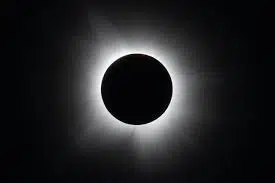 Photograph taken during the April 8th, 2024, total solar eclipse uploaded by EM2024 volunteer Franz Zabroky G. This picture has been aligned and processed and is available in the new database.
Franz Zabroky G.
The Future of Solar Research: Unlocking the Secrets of the Sun
The release of the Eclipse Megamovie Project’s dataset represents a major milestone in our understanding of solar physics. As researchers analyze the images, they will be able to track solar phenomena with unprecedented accuracy, offering new insights into the behavior of the sun. Solar flares, coronal mass ejections, and other solar wind events can have significant effects on Earth’s atmosphere, including disrupting satellite communications and power grids. By studying these events in greater detail, scientists hope to develop better methods of predicting solar activity, which could have significant implications for our modern technological society.
This dataset will also likely serve as a foundation for future solar missions, such as NASA’s Parker Solar Probe, which is already exploring the sun’s atmosphere up close. The information gathered by the Eclipse Megamovie Project could complement data from such missions, helping scientists piece together a more complete picture of the sun’s complex dynamics.