
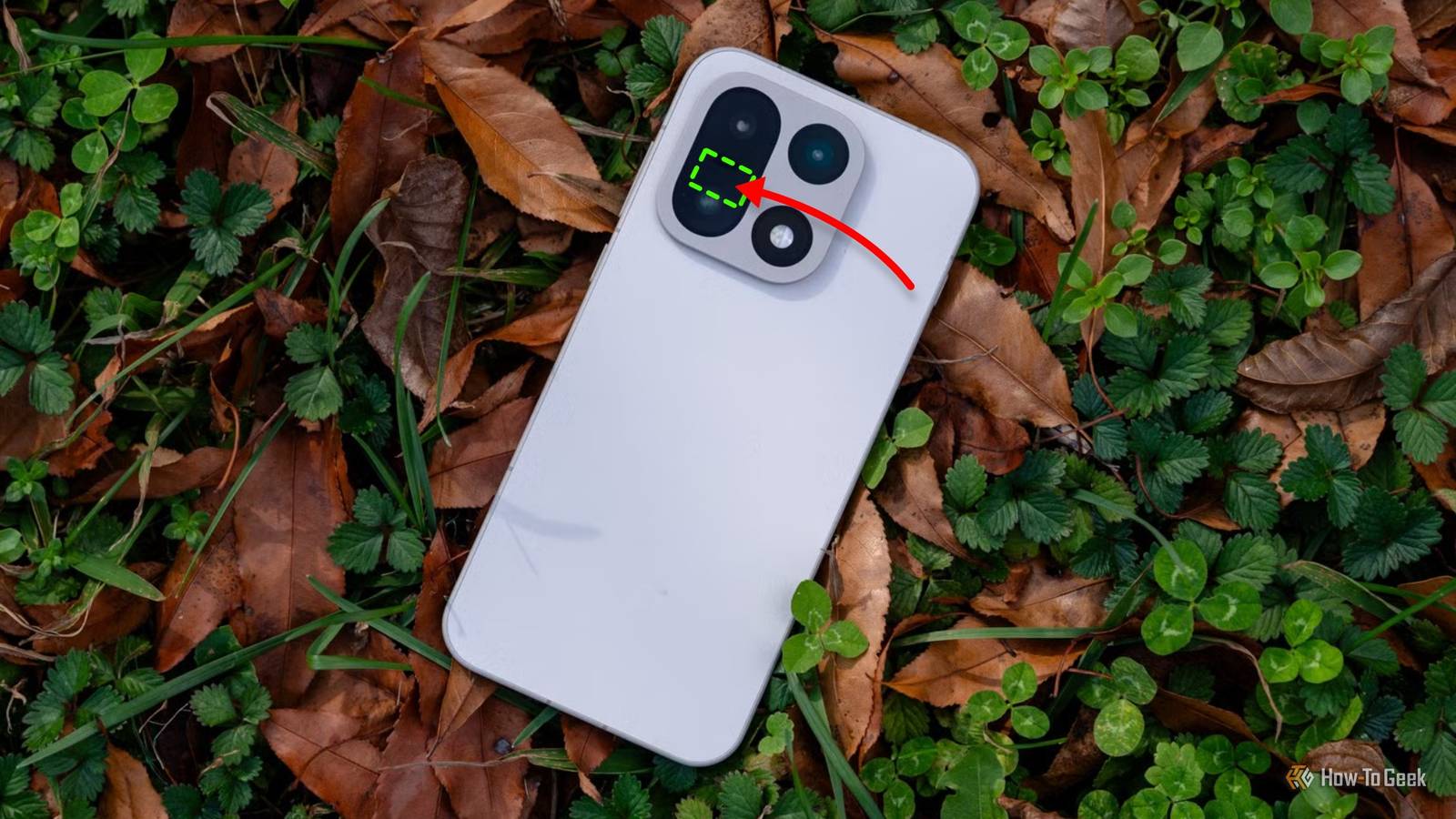
After years of cramped storage, when it came time to finally upgrade this year, I went all in and chose the highest trim: 1TB. Now, I can confidently say that if you’ve ever run out of space on your phone, maxing out your storage is hands down the best upgrade you can make.
Buying the cheapest storage options on each new phone was fine for a while. However, over time, my phone slowly filled up with apps, photos, videos, and files, and I was constantly facing the difficult decision of what to delete just to keep it running smoothly.
My old 128GB phone was full all the time
128GB is fine until it isn’t
There was a time when 128GB wasn’t just the base storage option like it is for so many smartphones today.
When I bought my Realme X2 Pro back in 2020, 128GB was the middle trim, with the other two options for internal storage being 64GB and 256GB. I was upgrading from the OnePlus 3, which only had 64GB that I didn’t even fill up, so I figured 128GB would last me a long time.
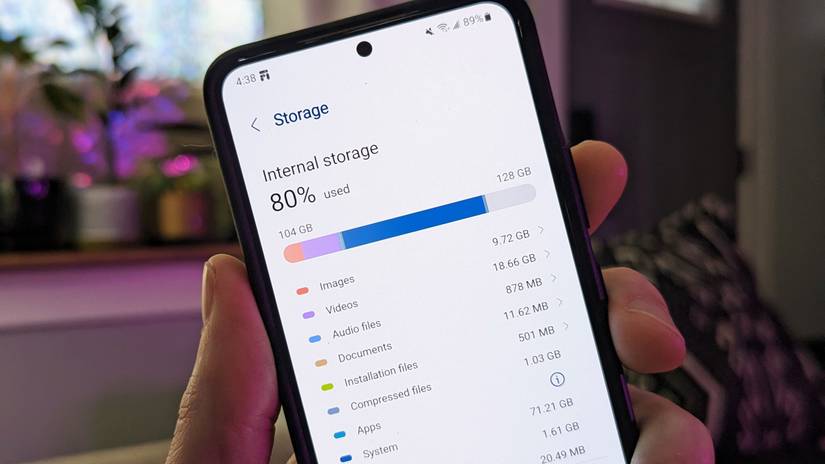
And for a while, it did. For the first couple of years, 128GB was plenty. I only deleted the occasional blurry photo or lengthy video while maintaining an ever-growing library of apps, games, and music.
However, as all that stuff slowly accumulated on my phone, I was eventually greeted by that infamous “Storage space low. Your phone’s performance is declining.” notification. The first thing I did was head over to my list of apps and start deleting large apps that I no longer used.
While that short-term fix worked, the notification kept popping up as the years went by, and I didn’t upgrade my phone, so I was eventually forced to move a massive chunk of my photo library to my PC to free up storage on my phone.
All of this made one thing clear: 128GB just isn’t enough for a modern smartphone.
First and foremost, apps take up more space than ever. Even social media apps that seem like they should be fairly lightweight can take up several gigabytes to store data and cache, in addition to the base code. Between Facebook, Messenger, Instagram, and TikTok, those four apps alone can use around 10GB of space.
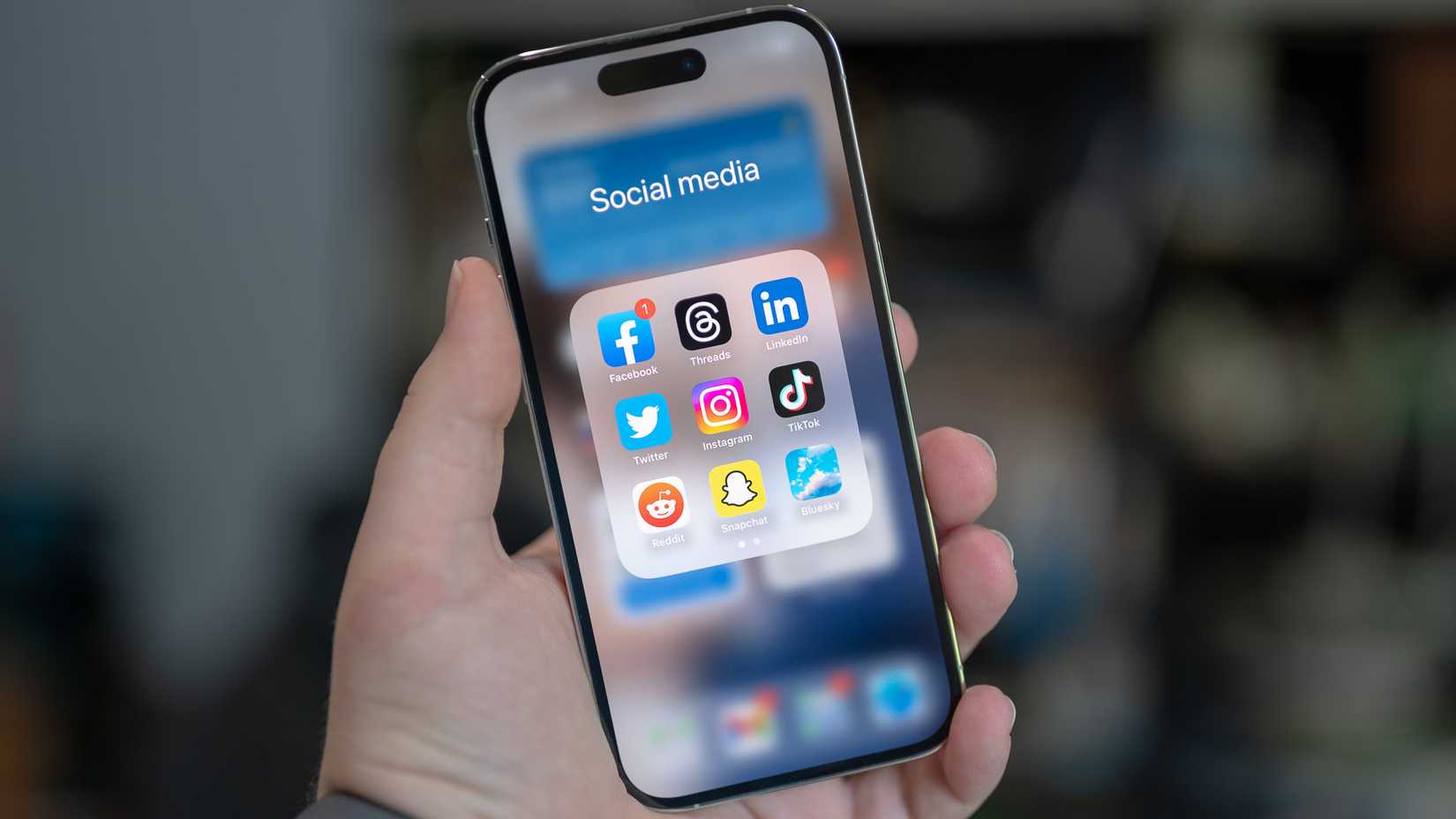
Credit: Justin Duino / How-To Geek
And if you also want to shoot high-resolution photos and videos or play a game or two on your phone, you need way more than what the puny 128GB can hold.
So, after years of juggling files, deleting old memories, and constantly worrying about space, I made sure my next phone could keep up with my needs.
Upgrading to 1TB completely changed how I use my phone
A life-changing improvement
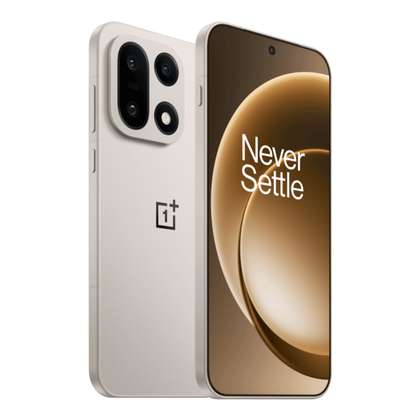
After more than five years of struggling with 128GB of storage on the Realme, I finally decided it was time for an upgrade. The obvious choice for me was the OnePlus 15, an insanely powerful, specs-rich flagship with 16GB of RAM and 1TB of internal storage.
1TB might sound like overkill for a smartphone, but if you’re a power user, you can run through it in no time. I play lots of video games on my phone, and a single modern Android game can easily take up more than 10GB.
Plus, I just have a lot of apps in general, which I feel is something I shouldn’t have to compromise on when buying a modern flagship.
And if you’re wondering how I got my hands on a 1TB OnePlus 15 when the brand only offers 256GB or 512GB, it’s because this is the Chinese model. It was only $60 extra compared to the 512GB variant, so in a time of NAND flash memory shortages, paying a bit more to double my phone’s storage felt like a no-brainer.

9/10
SoC
Qualcomm Snapdragon 8 Elite Gen 5
Display
6.78-inch 2772*1272 (FHD+)
The OnePlus 15 features the latest Snapdragon 8 Elite Gen 5 SoC that enables gaming features never before seen on a smartphone. The 165Hz display is perfect for mobile gaming, and when not gaming, it runs at 120Hz, making it ideal for everyday usage. The triple camera array is pretty great, and the 7,300mAh battery lasts multiple days on a single charge.
If you’re in the US, you’ll probably want to skip the Chinese variant of the OnePlus 15. Like many Chinese phones, it lacks key cellular bands used in the US, which can significantly hurt mobile network performance.
The biggest game-changer of having a 1TB phone is not having to care about how much space my images and videos take up. I can shoot hi-res images, spam the shutter button when I’m on vacation, record hours of 4K@60FPS video, and even keep all that space-intensive footage for months until I eventually get around to compressing it.
The best part is that I don’t have to rely on cloud storage or an external drive to store all my photos. In fact, my phone essentially serves as an external storage drive in a way.
Even if I shoot 10,000 images at the camera’s default 12MP setting, that’s only around 40 GB of images. I don’t think I’ll ever get anywhere close to the phone’s 90% maximum capacity, which is a point you probably shouldn’t exceed anyway.
Related
PSA: Your Google Photos Storage Situation Is Worse Than You Think
Google didn’t expect anyone to actually leave.
128GB shouldn’t be the default for high-end phones
The storage option that shouldn’t be an option
Credit: Justin Duino/How-To Geek
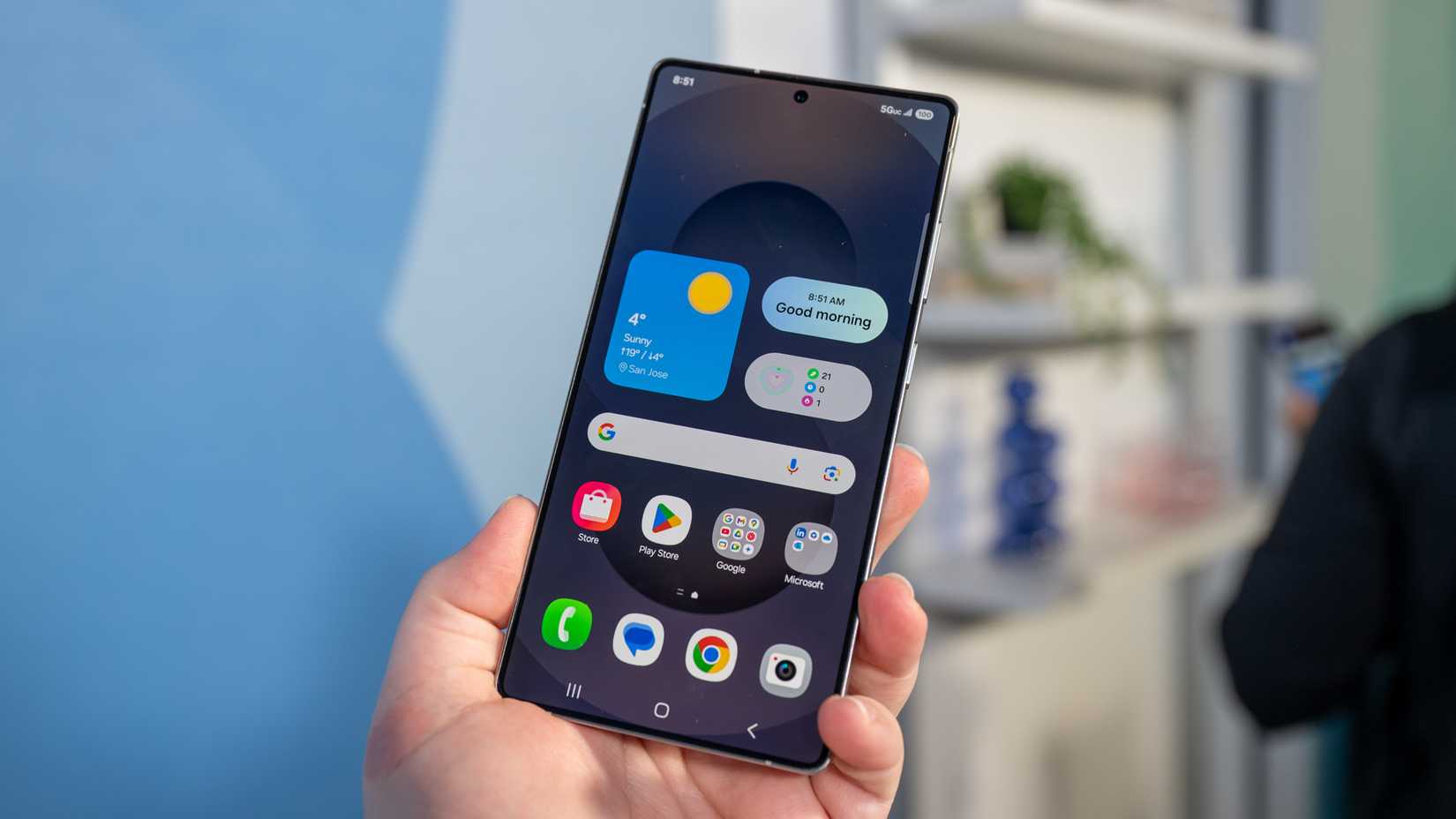
Samsung started offering 128GB as the base option all the way back in 2019 with the Samsung Galaxy S10. It was a commendable move, as a flagship smartphone of that caliber deserved to have a healthy amount of storage.
So why is it that in 2026, so many phones still have 128GB as the base option?
I understand that there’s currently a NAND flash memory shortage driving prices up, and I’m not saying that ultra-cheap budget phones should suddenly start exclusively offering 256GB as the base—your grandma probably doesn’t need all that storage space.
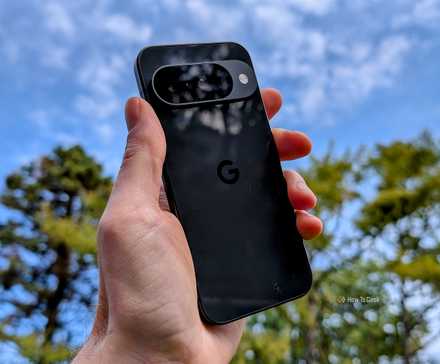
But a phone like the Google Pixel 10 (and even the 10 Pro) or last year’s Samsung Galaxy S25 really shouldn’t have come out with a 128GB base option. Honestly, it seems like the 128GB option is there just so the brands can advertise a lower starting price.
Related
The Google Pixel 10 feels more like a luxury splurge than a value-for-money deal.
Thankfully, Samsung finally got the memo with the Galaxy S26 base model being 256GB, replacing the Galaxy S25’s 128GB. Smaller companies also deserve praise—the Nothing Phone (3) came out with 256GB as the base storage.
Settling isn’t worth it anymore
Apps, images, videos, music, and games can all take up a lot of space on your phone. If you like to shoot plenty of photos and videos, or if you play a lot of games, you shouldn’t get a phone with only 128GB of storage. In fact, even 256GB might not be enough. Look for a phone with 512GB—or ideally 1TB—if you want all the future-proofing you could ever need.