
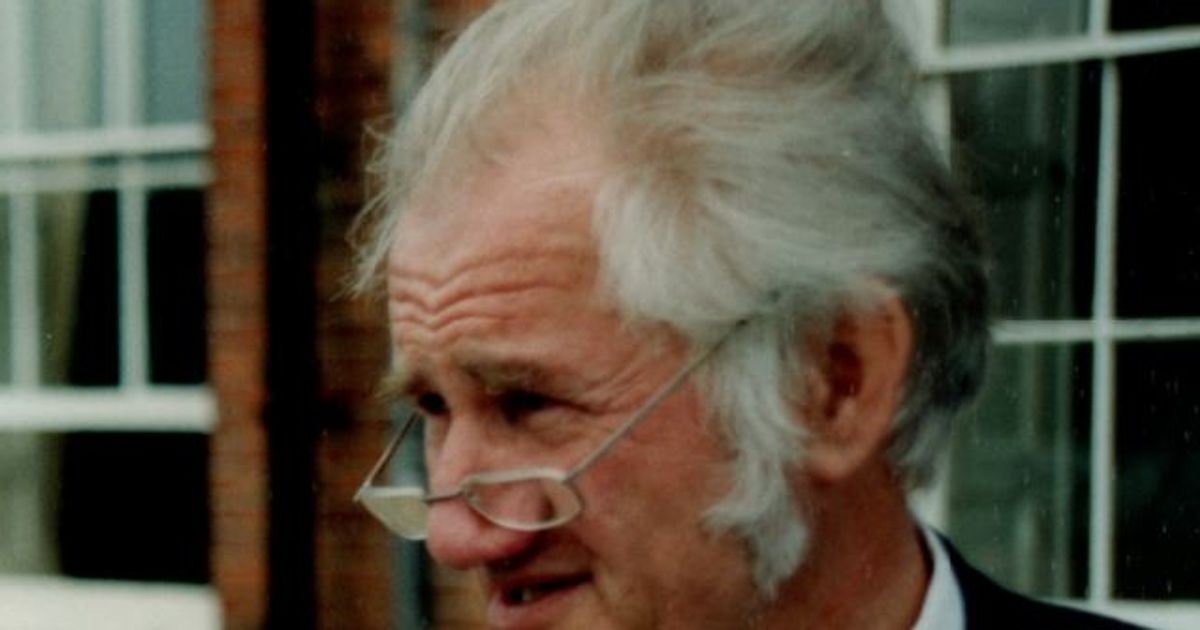
The renowned scholar is remembered for his passionate pursuit of historic East Yorkshire and beyond
16:07, 08 Mar 2026Updated 17:38, 08 Mar 2026
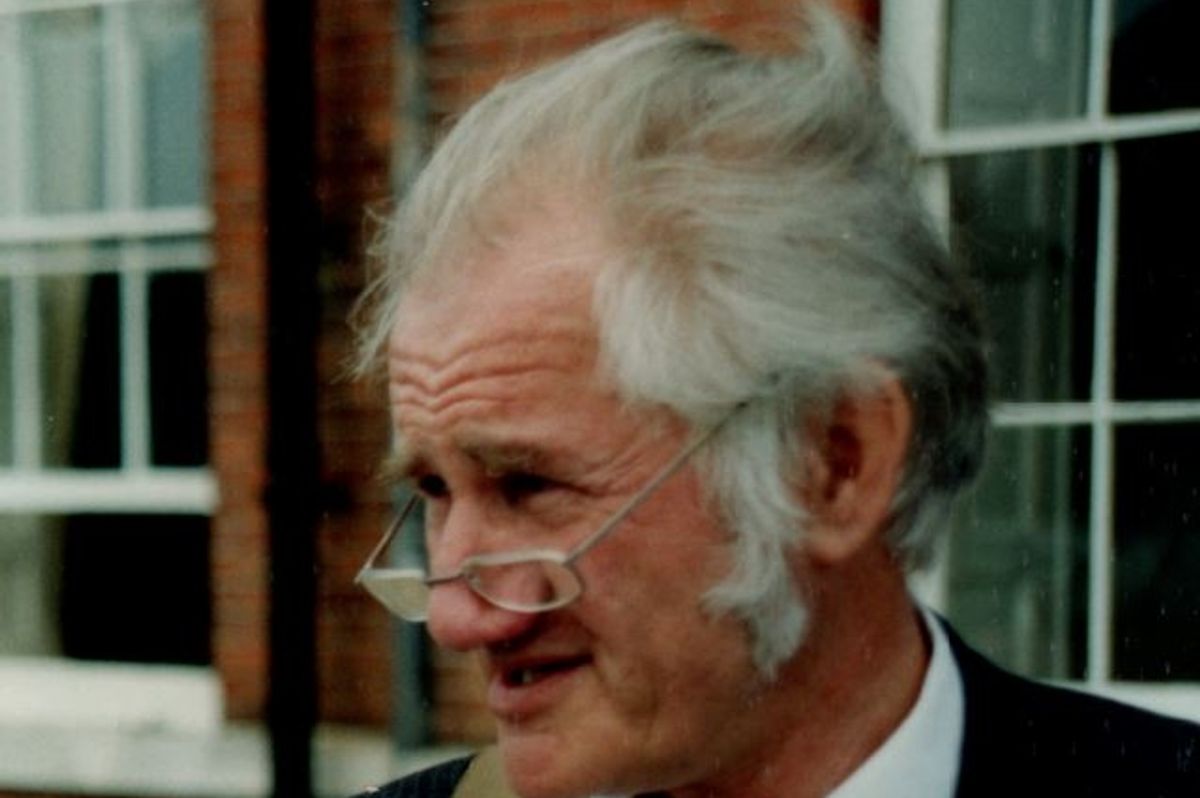
Ivan Hall had a remarkable memory that allowed him to lecture without notes and never repeating the same lecture series.(Image: Maggie Carver)
Tributes have been paid to an architectural historian whose determination to save historic buildings in Beverley and Hull helped shaped the area as we know it today. Ivan Hall, who is renowned as one of the country’s leading authorities on Georgian buildings, has died at the age of 93 following decades of passionate fighting to preserve the area’s built heritage.
His daughter Maggie Carver has described the fervent campaigner and scholar as a “complete one off” who combined impressive knowledge with dogged hard work in pursuit of his passion.
Having been born in early 1930s Manchester, Ivan quickly showed his intellect and was described as a precocious child who developed an interest in architecture “so early that he couldn’t really remember”. As a child he would return home with “bits and pieces” of architecture, which his mother mistook for fire wood and would chop up.
In his first year at Manchester Grammar School he skipped a school sports day to visit John Carr of York’s Tratton Park. Having found out about his excursion, owner Lord Egerton sent questions to the High Master of the school for Ivan to answer – and he was so impressed with the responses that he made the 12 year-old a member of the Georgian Society and introduced him to other country house owners.
Having studied at Manchester University and earning a PhD on the classical architecture of the city, he came to Hull University’s Adult Education department, where he demonstrated his remarkable memory, lecturing without notes. The zeal for historic architecture also followed him, along with his “rather cheeky” technique for getting into private historic houses by dazzling the owners with his deep knowledge.
As a student his spare time had been filled with cycling, with friends, around historic buildings before they were demolished. He learned how to salvage items such as fireplaces and ornaments to be used in restoration projects.
It was on a trip to Castle Howard, near York, where he met future wife Elisabeth Liebeschuetz who was a holocaust refugee. They would form a close bond with Elisabeth’s support enabling much of Ivan’s consequential preservation work.
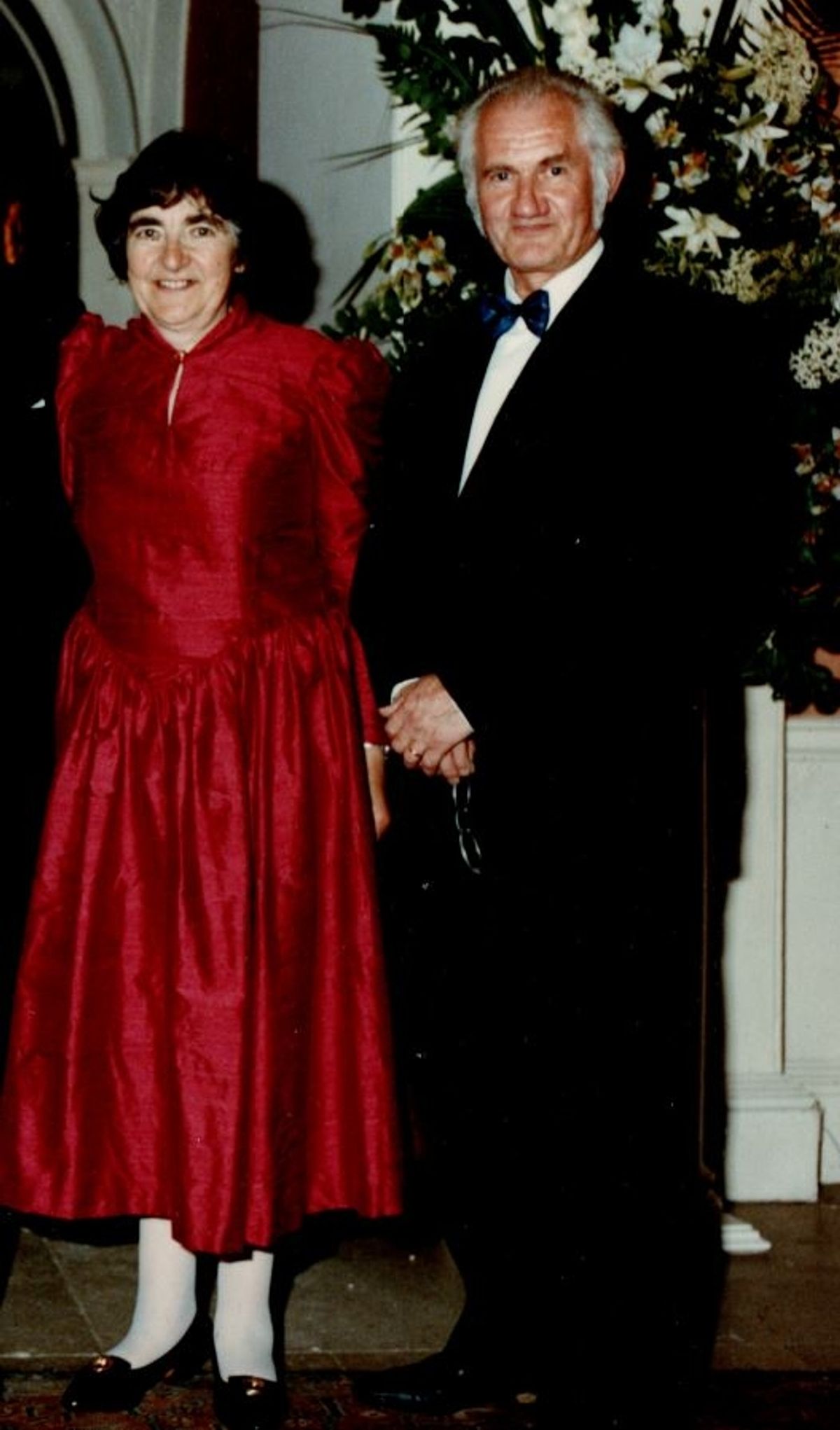
Ivan was supported in his work by wife Elisabeth.(Image: Maggie Carver)
Having moved his young family to Beverley in the 1960s he turned his focus locally, working alongside civic societies, to save the historic centres of Beverley and Hull. In something akin to a second job, he led a preservation fight – often employing meticulous research and knowledge to get buildings Listed, talking at planning committee meetings and rallying the support of the Hull Daily Mail.
His decades of work included successful preservation of numerous historic streets in Beverley including Ladygate, Saturday Market and Beverley Friary, among others. He even acquired and restored a medieval building in Ladygate that had been earmarked for demolition to make way for an expanded bus station. His efforts, alongside Elisabeth, later won him recognition from Beverley Town Council.
And in Hull, Maggie says he should be credited with the city having an historic quarter. His book on Georgian Hull provides detailed photographic documentation of many buildings before they were demolished, and at the time his garage was said to be “stuffed with Hull’s Georgian fireplaces” which were sold to fund his campaign in support of Beverley Friary.
Perhaps his most famous effort involved a legal battle with Beverley Town Council to save open space on the south side of Beverley Minster. Mounted together with two other university lecturers, the case went to the House of Lords but ultimately failed, landing Ivan with huge legal costs.
His talent for teaching was widely recognised with work at the Architectural Association, the Royal Institute of British Architects, and the Royal Institute of Chartered Surveyors, as well as the universities of Hull and Cambridge, and others in North and South America where he urged students to “look up”. He also became a top expert on eighteenth century architect John Carr of York.
Despite having a number of expert books and articles published, Maggie says her father’s dislike of writing likely hampered his academic career. Though his extraordinary talent was recognised by peers.
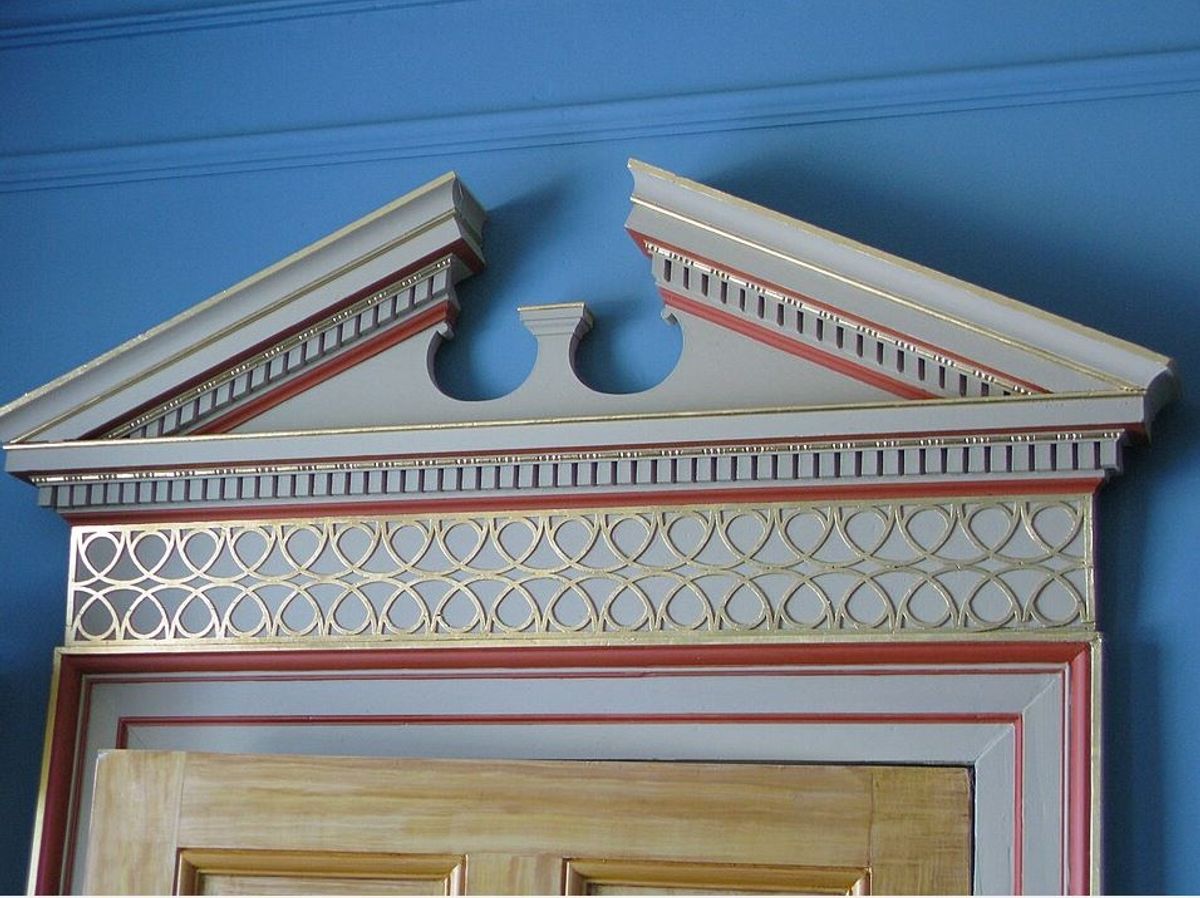
A salvaged door overmantel from a demolished Georgian house in Hull, that graced Ivan Hall’s home.(Image: Maggie Carver)
After Hull, Ivan worked on preservation of buildings in the City of London for English Heritage. A decade later, he retired to Bedale in North Yorkshire, where, sadly having become a widower, he focussed his efforts on restoration of a Grade 1 Listed house using salvaged architectural pieces with “eye catching flair and panache”.
Maggie said: “His passion for architecture was phenomenal. He virtually never talked about anything else, to be honest, in his old age.
“He was a very early conservationist. I think it’s probably difficult for people who weren’t around in the 60s, 70s and 80s to conceive what it was like then in planning. Everybody just said “old buildings, we can do away with them and we’ll put up something more convenient”. They didn’t stop and think about repurposing or about what was being done to the historic environment.
“My father wasn’t a sort of luddite in thinking there was no merit in modern architecture. He felt that there were amazing buildings in Hull, Beverley and the East Riding as well as nationally, that were worth saving along with their historic setting.”
Did you know you can make Hull Live a preferred source of Hull news in Google, which will mean you get more of our breaking news, exclusives, and must-read stories straight away? Here’s more information about what this means and how to do it – you can also do it straight away by clicking here.