
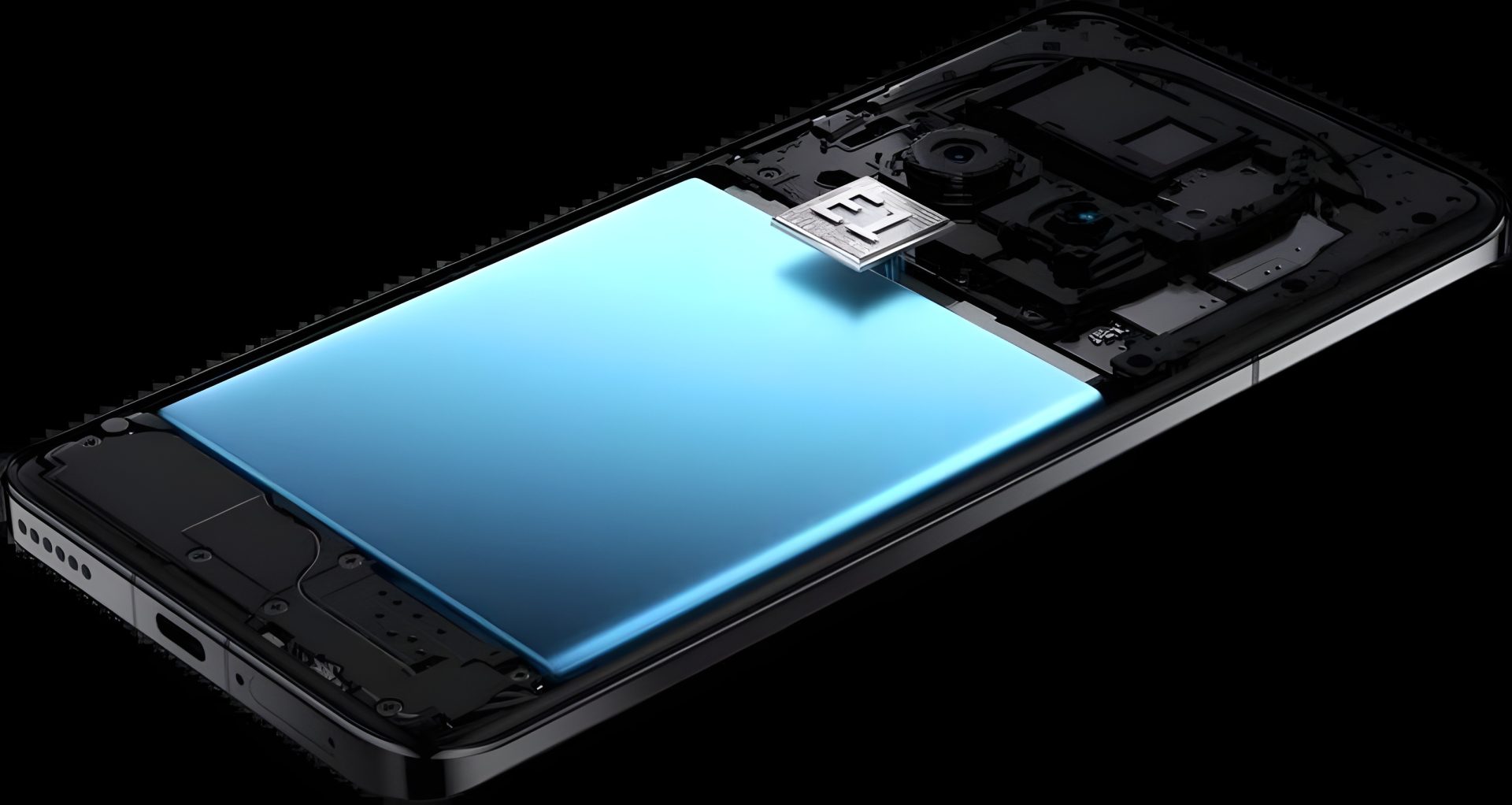
Samsung has remained very conservative in its experimentation in the smartphone battery department ever since the Note 7 fiasco back in 2016. However, this reluctance is now costing the South Korean behemoth dearly as Chinese OEMs increasingly take the initiative with monster silicon-carbon (Si/C) batteries.
Against this relatively challenging backdrop, we reported towards the end of 2025 that Samsung had commenced and then abandoned its testing of a mammoth 20,000mAh silicon-carbon battery. Well, now we know a lot more about those failed tests as well as Samsung’s ongoing testing of a smaller 18,000mAh battery, courtesy of a few leaked documents.
Samsung’s experimentation with mammoth silicon-carbon (Si/C) battery cells continues
As we noted in a dedicated post recently, silicon-carbon (Si/C) batteries differ slightly from conventional lithium-ion ones in their choice of the anode, which is made up of a fracture-resistant, nanostructured silicon-carbon composite material instead of the typical graphite.
So, what’s the catch? Well, a silicon-based anode can hold up to 10x as many lithium ions, essentially increasing the battery’s capacity by orders of magnitude, while allowing for a very slim overall form factor for the battery.
We reported towards the end of 2025 that Samsung SDI was testing a 20,000mAh dual-cell silicon-carbon battery, where the primary cell had a 12,000mAh capacity and a thickness of 6.3mm, while the secondary cell retained a capacity of 8,000mAh and a thickness of 4mm. However, as per the leaked tidbits at the time, the South Korean behemoth had quickly abandoned that mammoth cell in favor of smaller ones.
Samsung SDI is testing 12K, 18K mAh Si/C cells. The 20K failed at 960 cycles. Race is on. 👀
Full PDF available, Samsung tracking system didn’t work much. Anyways it’s not free. pic.twitter.com/D8NDy4weNw
— Schrödinger (@phonefuturist) March 9, 2026
Now, the tipster Schrödinger is out with a detailed scoop, disclosing that Samsung’s earlier testing of a 20,000mAh silicon-carbon battery cell failed at 960 cycles. For context, do note that lithium-ion smartphone batteries are typically rated anywhere between 500 and 1,000 charge cycles these days.


It appears Samsung’s exacting standards wanted to substantially push the envelope on charge cycles for the 20,000mAh Si/C cell. On the bright side, the South Korean behemoth continues to test a 12,000mAh silicon-carbon battery, consisting of a 6,800mAh and a 5,200mAh cell. It also continues to test an 18,000mAh battery made up of a 6,699mAh cell, a 6,000mAh cell, and a 5,257mAh cell.
Follow Wccftech on Google to get more of our news coverage in your feeds.