
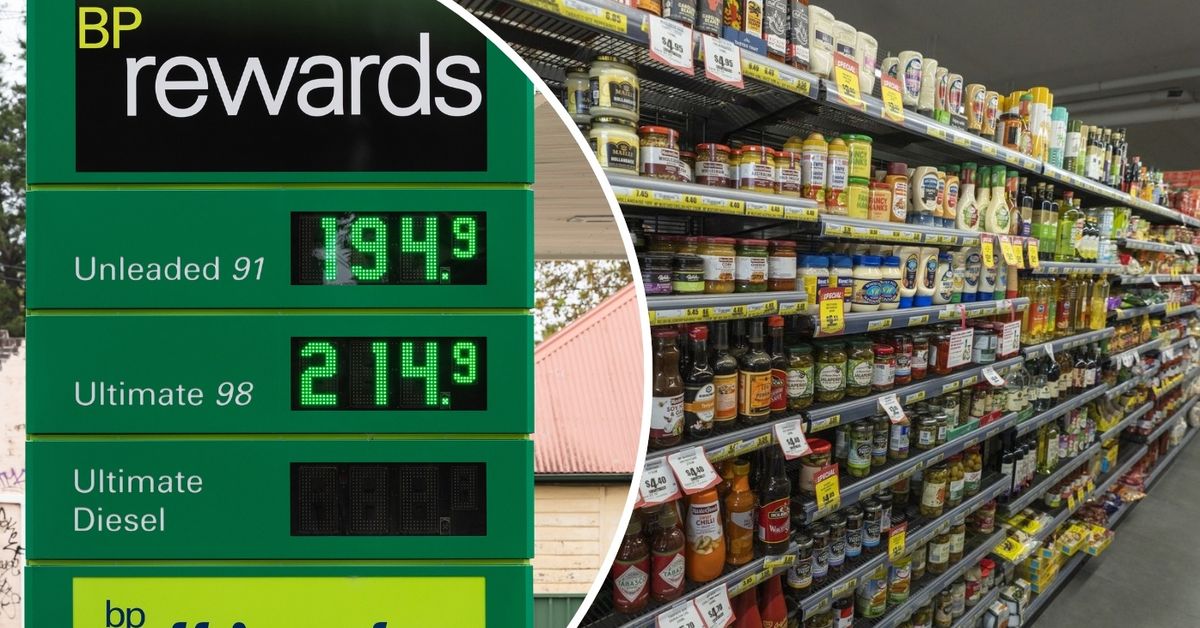
Economists at National Australia Bank (NAB) predict the post-war price of oil barrels, which have already surged past $US$84 ($118), could have an alarming ripple effect on household inflation and, in turn, grocery prices at the checkout.
 Inflation could peak above five per cent, a figure not seen since 2022. (Renee Nowytarger)
Headline CPI is “likely” to peak 0.5 percentage points higher than expected before the conflict began, reaching 4.75 per cent in the second quarter.
NAB warned a “sustained move” toward US$100/bbl would push the peak above five per cent, which hasn’t been felt since the Russian-Ukraine war began in 2022.
“The RBA will hope to look through these first-round impacts, consistent with its comfort relying on anchored inflation expectations this cycle,” NAB said.
“However, that comfort will be tested, and the starting point for inflation is not favourable.
“The bank will be paying close attention to inflation expectations.”
Treasurer Jim Chalmers earlier this week said the Australian economy should prepare for “intense volatility” from the global unrest.
”The economic consequences are uncertain, but they are likely to be very substantial,” Chalmers said.
 Soaring oil prices have pushed petrol to over $2 per litre in Australia. (Louie Douvis)
A prolonged fuel shortage may have a long-term impact on grocery prices over the next few months too as farmers face dwindling supplies.
Pressure on shipping and logistics, which in turn impacts food supply chains, “should be expected”, NAB economists added.
Consumer goods, ranging from fruit and vegetables to seafood, pork beef and milk, are all under threat from major price hikes if farmers are cut off completely from fuel delivery during the critical pre-winter season.
 A prolonged fuel shortage may have a long-term impact on grocery prices. (Eamon Gallagher)
Farmers rely heavily on fuel to power tractors, irrigation pumps and other machinery used to harvest crops.
“Animals will start dying, crops are going to suffer,” Transwest Fuels co-owner Sam Clifton told nine.com.au yesterday.
”One farmer I spoke to had just 1000 litres left.”
Despite assurances that Australia had plenty of reserve fuel, motorists began panic-buying petrol and stockpiling with jerry cans, forcing wholesalers to ration supply.
Energy Minister Chris Bowen said the issues impacting farmers was due to an unprecedented “spike in demand”, rather than a shortage.
”There has been a big spike in extra orders over and above contracts, spot orders if you like … and inevitably, when you’re seeing a huge increase in demand, they’re having trouble keeping up with that,” Bowen said.
NEVER MISS A STORY: Get your breaking news and exclusive stories first by following us across all platforms.