
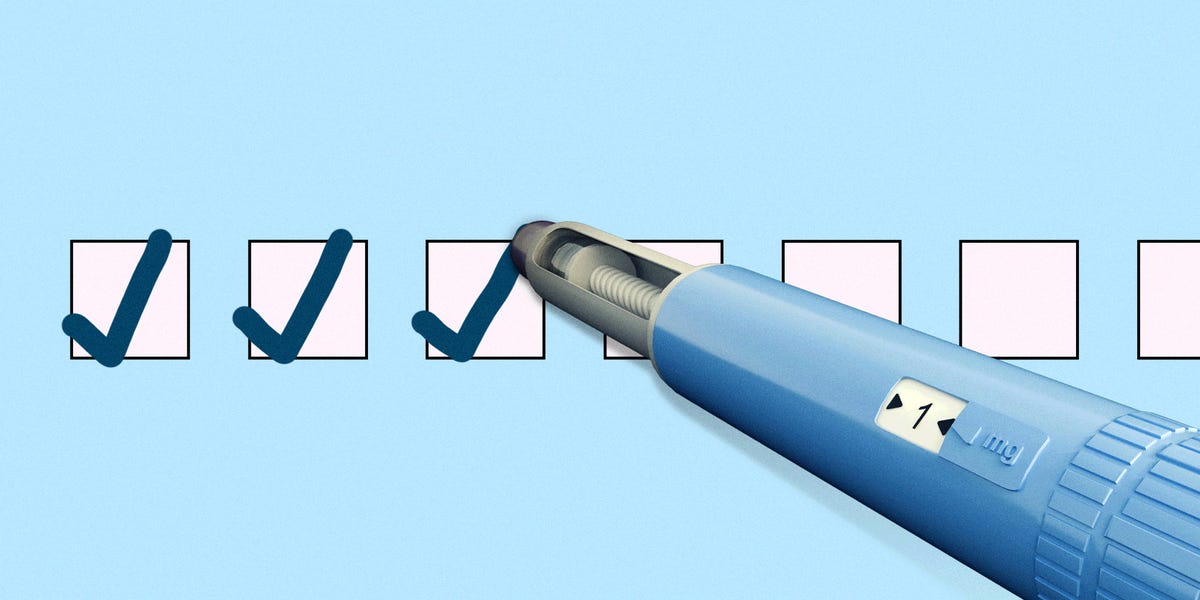
In 2026, it feels like everyone is taking a GLP-1—or at least thinking about it. The weight-loss drugs, which include Wegovy (semaglutide) and Zepbound (tirzepatide), have become more accessible than ever thanks to recent price cuts, expanding Medicare and Medicaid access, and (more controversially) compounded options from online pharmacies and health startups. The result: One in eight American adults report currently taking a GLP-1.
But experts worry that the explosion of demand (and prescribers trying to meet said demand) might impact how well patients handle being on these medications, which can come with a fair share of unpleasant side effects, from nausea to vomiting to diarrhea. “Because many people access these medications through online platforms or busy primary care offices, patients often miss out on the counseling that helps manage side effects and support long-term results,” says Joni Rampolla, RDN, a dietitian specializing in weight health and metabolic wellness and the founder of Nutrition Coaching 4U.
Additionally, many prescribers aren’t well trained in nutrition, or don’t work with people who are, says Gretchen Zimmermann, RD, a dietitian and obesity expert. As a result, “many people receive little or no structured guidance on diet quality, protein intake, or micronutrient adequacy while experiencing appetite suppression,” she says.
That’s a BFD, since micronutrient deficiencies and muscle and bone loss are all very real possibilities when on these medications. A 2025 study published in the Frontiers in Nutrition found that 72 percent of participating GLP-1 users consumed less than their estimated calorie needs; over 90 percent failed to meet dietary recommended intakes for vitamin D, potassium, and choline; only 10 percent met recommended protein targets; and fewer than half received any dietary guidance prior to starting their med.
To fill this information gap, we asked nutrition experts what everyone starting a GLP-1 needs to do in order to stay healthy, maintain energy, and better manage frustrating side effects. “This is the perfect time to build habits that last,” Zimmermann says.
1. Miniaturize Your Meals
GLP-1s slow gastric emptying—medical-speak for the rate at which food leaves your stomach. This can make you feel fuller on less food, to the point where a regular-size dinner makes you bloated, nauseous, and uncomfortable. That’s why experts recommend shifting from three squares a day to smaller, more frequent meals. “Smaller portions spread throughout the day are much easier to tolerate, and planning ahead for balanced meals and snacks can help maintain energy and nutrient intake,” says Zimmermann. That might look like a two-egg veggie omelette, three ounces of chicken breast with a half-cup each of quinoa and roasted broccoli, or a cup of berry, almond milk, and protein powder smoothie.
Enjoying smaller, more frequent meals can also reduce nausea, adds Rampolla, as it lessens the chance that large meals will sit in the stomach for long periods of time. “That extra volume stretches the stomach and can activate nerves that trigger nausea and fullness,” she explains.
2. Hydrate, Hydrate, Hydrate
While your water needs don’t necessarily change on a GLP-1, people often get dehydrated when starting out because their sense of thirst changes and they drink less, says Zimmermann. Cue exhaustion and potential constipation. Zimmermann recommends drinking about eight to 12 cups of water every day, which is the equivalent of about two 40-ounce Stanley water bottles per day. Get one with a handle and a straw to make all-day sipping easier.
3. Eat More Protein (We Swear, This Isn’t Just Trendy)
Significant weight loss, even on GLP-1s, can decrease muscle mass. Counteract any loss by centering your meals around protein, which is the building block of muscle. (You’ll also want to get serious about strength training—more on that later.) “Start each meal with 20 to 30 grams of protein,” suggests Zimmermann. You can hit that range by eating three ounces of chicken breast or fish, one cup of cottage cheese, a cup and a half of cooked beans or lentils, or four ounces of tempeh.
From there, gradually work your way up to eating 1.2 to 1.6 grams of protein per kilogram of bodyweight daily. For a 170-pound person, that works out to about 93 to 123 grams of the macronutrient every day. If you find that amount hard to stomach, try protein powders and supplements to help you meet your needs. Look for options with at least 20 grams per serving, says Zimmermann.
4. Chase Your Protein With Fiber
Fiber is your friend for avoiding constipation, “but it may be harder to eat fiber-rich foods when you’re eating less or feeling full early,” Zimmermann says. (Not to mention if you’re already trying to hit aggressive protein targets!) Simplify your life by pairing your protein with a fiber-rich food where you can. Swirl some nut butter into your morning oats and top it with berries for a one-two punch, throw some frozen sweet potato fries into the air fryer to serve with your turkey burger, or add a handful of nuts to your afternoon snack.
And don’t stress about perfection, Zimmermann says. “Consistently meeting protein and fiber goals most days, rather than perfectly every day, is typically enough to support muscle preservation, digestion, blood sugar stability, and satiety over time,” she says.
5. Avoid Rich, Greasy, Sugary Foods
Unfortunately, your favorite cheat meals might not sit well while on a GLP-1. “Fried foods, pizza, cheeseburgers, ice cream, butter, and heavy cream digest slowly and can worsen nausea, bloating, and heartburn,” says Zimmermann. While these foods might not be verboten forever, Rampolla recommends treading lightly while your body adjusts. Think: Air-popped popcorn with nutritional yeast and your favorite seasonings, a square or two of dark chocolate, or a half cup of froyo.
Similarly, anything high in added sugar can sabotage GLP-1 newbies. “Sugary drinks, desserts, candy, and sweet coffee beverages can cause gastrointestinal discomfort and blood sugar spikes,” says Zimmermann. And cool it on the sugar substitutes, since some (like sugar alcohols) cause digestive issues when eaten in excess. Instead, aim for under 30 grams of added sugar per day, she says; when using the sweet stuff, choose natural options like fruit, maple syrup, or honey in moderation.
6. Move, Lift, Repeat
Regular activity is key to healthy living. But for new GLP-1 users facing potential muscle and bone loss, it’s nonnegotiable. “Walk, stretch, and lift weights to protect muscle, boost metabolism, and support weight maintenance,” says Rampolla. The CDC recommends getting 150 minutes a week of moderate-intensity cardio, plus two days of strength training. The latter is especially important to protect your muscles, so bust out the kettlebells and get swinging.