
“Deer are nothing more than a pest to the natural habitat and agriculture.”
“I am in support of an open season 365 days, no bag limits but licensing and or permits to remain.”
“More power needs to be given to the land holder to control deer on their property.”
“Contrary to the paper’s emphasis on damage, many farmers and land owners actively benefit from deer.”
“The zoning and permit system is also overly complex.”
“I’m sick and tired of hearing how much damage deer do but no one wants to actually do anything about it.”
These are some of the public submissions received in response to the Tasmanian government’s wild fallow Deer Management Policy Review.
The report looks at how best to manage wild fallow deer across the state, including proposed changes to deer management permits and recreational hunting arrangements.
Decades of work lost to herds of deer — and this group is sick of it
836 submissions were received from recreational hunters, landholders, farmers, environmental and conservation organisations, and community members.
“Overall, responses indicated broad support for simplifying the existing permit framework, extending permit durations, and increasing flexibility for landholders to manage deer impacts on their properties,” the report said.
“There was also broad support for management approaches that prioritise population reduction, particularly through increased removal of female deer.”
There were also several submissions focused on removing the protected status of the species, and labelling them as a pest instead.
“This will remove all unnecessary restrictions on deer control,” Tasmanian Land Conservatory chief executive officer Katherine Tuft said in her submission.
However, she said she was not hopeful removing the protected status would decrease population numbers.
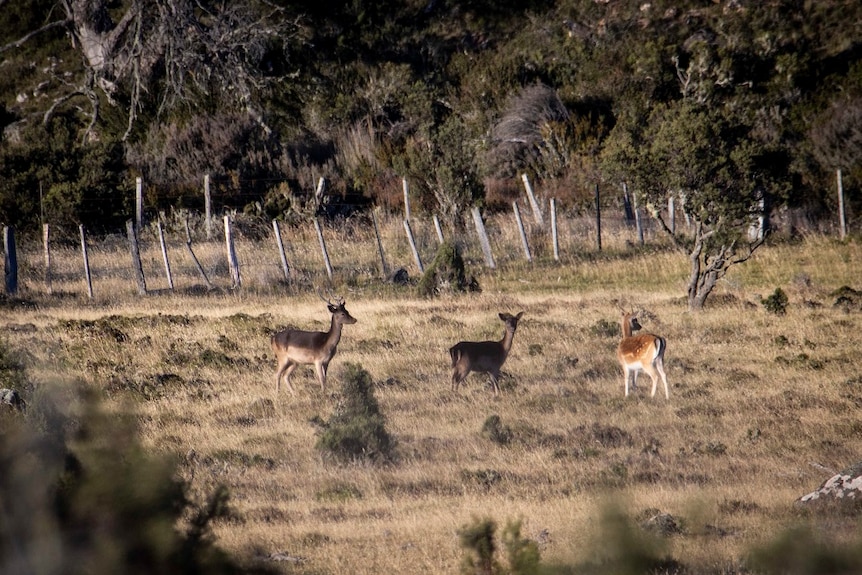
Wild fallow deer retain partly protected status under the Nature Conservation (Wildlife) Regulations 2021. (ABC News : Luke Bowden)
“The lifting of restrictions must be coupled with strategic, targeted and resourced control programs to actually see numbers decline,” she said.
Ms Tuft said Tasmania and Victoria were the only remaining states in Australia that still treated deer as a hunting resource rather than managing them as a pest species.
Farmers impacted by costly damage
TasFarmers chief executive officer, Nathan Calman said in his submission for too long, the costs and damage caused by deer have fallen on farmers to absorb.
Loading…
“Deer populations are increasing in both number and distribution across the state and are reducing productivity for farmers through the destruction of pasture and crops, competition for feed and damage to ecosystems,” he said.
“Deer pose biosecurity risks, damage fences and infrastructure and create serious safety risks in rural areas.”
Mr Calman said he supports the removal of all tagging requirements for male deer, extending the male season from five weeks to seven and removing the requirement to label deer parts when removing deer from a property, to name a few.
Government says ‘collaborative’ approach needed
Minister for Primary Industries Gavin Pearce said a collaborative approach was needed to get deer numbers under control.
“We know that there are diverse range of views on how to best manage wild fallow deer,” he said.
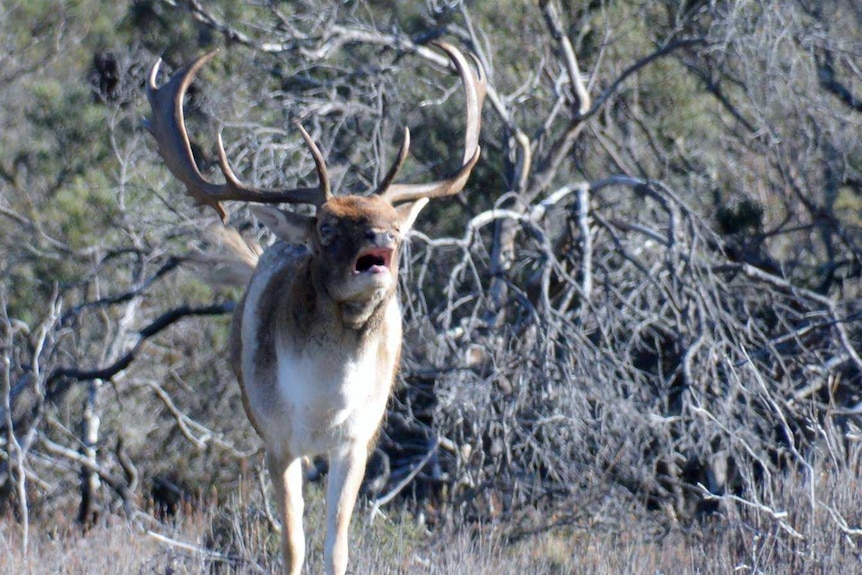
Fallow deer are an introduced species in Tasmania. (Supplied: Guy Ellis)
Adrian Pickin is a conservationist and hunter. In his submission, he said recreational deer hunting generated millions annually through licence fees, equipment sales, guiding services, and accommodation.
“Fallow deer are not feral animals in the true sense — they were never fully domesticated like cats or dogs that revert to wild states,” he said.
“While the paper focuses heavily on the challenges posed by wild fallow deer, it under-represents their positive contributions.”
“In regional areas, deer hunting promotes social cohesion, reducing isolation in remote communities.”
Northern Tasmanian farmer, Roderic O’Connor, called for urgent action, fearing the deer population could grow beyond control.
“First thing let’s declare them feral or deregulate them,” he said.
“In Victoria and New South Wales, they’ve been deregulated or declared feral.
“Hunting groups have increased their membership and there’s an increased cull rate going on in Victoria.
“Why is it Tasmania is the only state that is not changing the status of deer, and it’s probably the most affected?”
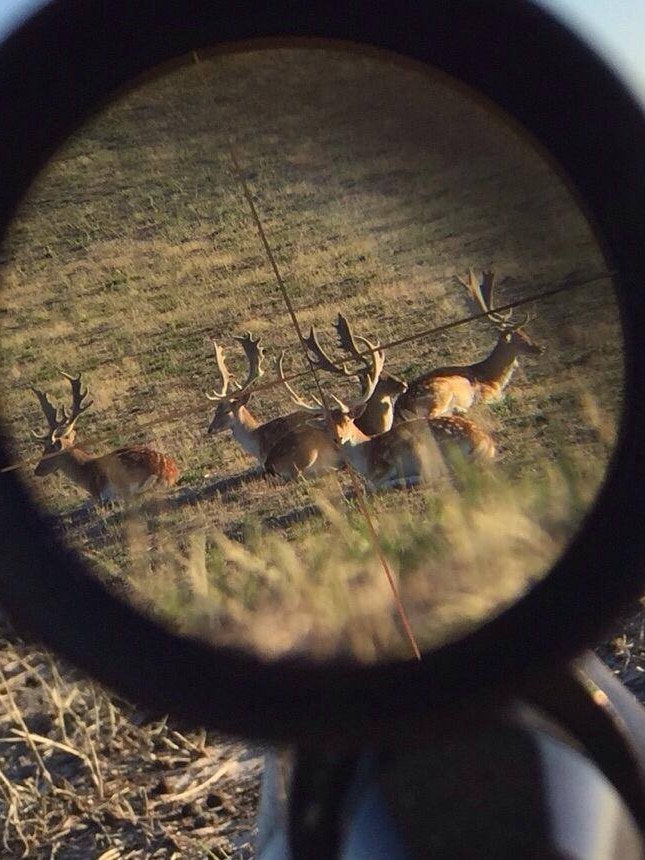
A 2024 aerial survey conducted by the Department of Natural Resources and Environment showed the Tasmanian deer population had grown and also spread over the last five years. (Facebook: Tasmanian Trophy Fallow Deer & Hunts)
Currently, fallow deer hunting is reduced to a season that runs from the end of February to early April for adult males and from mid-March to mid-November for antlerless deer.
The Department of Natural Resources and Environment conducted an aerial survey in 2019 and again in 2024 to see if the population of deer had changed.
“A comparison of the population estimates for 2019 and 2024 calculated within the same area showed a marked increase from 53,660 deer in 2019 to 71,655 deer in 2024,” the Department said in June 2025.
“The population may have risen at the least 12 per cent in five years, and in the worst case scenario 55 per cent over five years.”
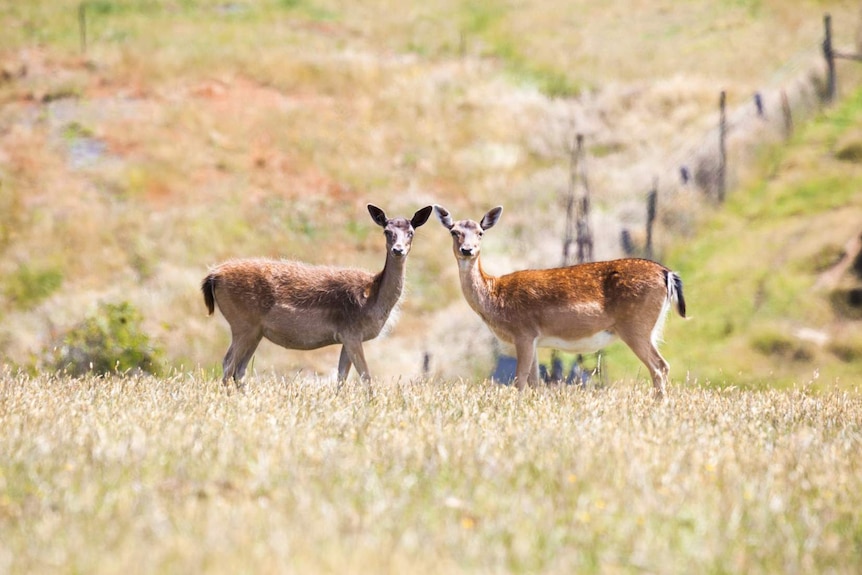
Wild deer are a common problem for many farmers across Tasmania, particularly in the state’s north. (Getty images: Matteo Colombo)
Chair of the Tasmanian Deer Advisory Committee Andrew Lockett said declaring the species a pest would not solve the problem.
Mr Lockett represents a membership primarily made up of landowners, hunting groups and shooters.
“We actually need the legislation and the rules to drive the outcomes that we need,” he said.
“And as we’re seeing with rabbits … even though they are declared a pest … we’ve still got a problem.
“What we need is rules and regulations that encourage people to take more female deer to reduce the population.”
The government said it will consider the feedback before releasing its final response.