
Key Points
Auroras tend to be more vivid and frequent around the spring and fall equinoxes, including the upcoming spring equinox on March 20 at 10:46 a.m. EDT. Scientists Christopher Russell and Robert McPherron explained that this increase is linked to seasonal changes in Earth’s magnetic alignment.Around the equinox, Earth’s and the sun’s magnetic fields line up in opposite directions, allowing more solar wind to stream along magnetic field lines and collide with the atmosphere. These charged particle collisions cause atoms in the atmosphere to glow in different colors, producing the northern lights.While auroras are usually visible in high-latitude regions like Alaska and northern Canada, strong geomagnetic storms can push them farther south into parts of the northern U.S.
For skywatchers and aurora enthusiasts, this month could bring more vivid and frequent views of the northern lights.
This is because we are approaching the spring equinox, which occurs at 10:46 a.m. EDT on March 20, marking the transition from winter to spring in the Northern Hemisphere. According to a phenomenon first explained by scientists Christopher Russell and Robert McPherron, the northern lights are more common around the spring and fall equinoxes, which occur in March and September.
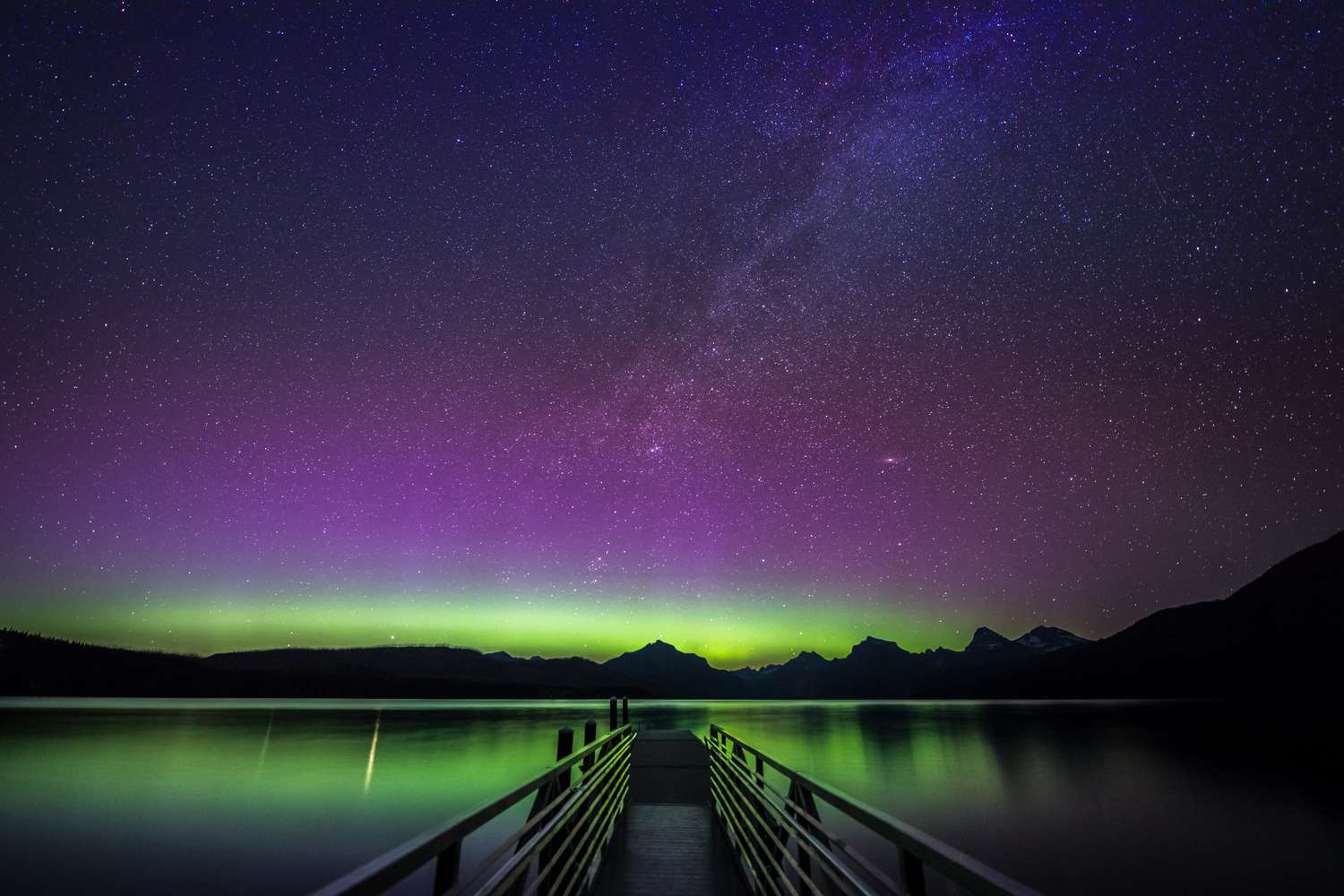
The northern lights are caused by geomagnetic activity, which occurs when charged particles from the sun collide with Earth’s magnetic field and atmosphere. As these air particles shed the energy they picked up from the collision, each atom glows in a different color.
The reason the northern lights are more common around the equinoxes is believed to be due to the alignment of Earth’s magnetic field. Most of the time, the Earth’s and sun’s magnetic fields aren’t aligned, meaning that, as solar wind comes across Earth, much of it is deflected away from the planet. But around the equinox, the two fields line up but point in opposite directions, making it easier for solar wind to stream along magnetic field lines. This allows more charged particles to collide with our atmosphere, resulting in auroras. This phenomenon is commonly referred to as either the “equinox effect” or “Russell-McPherron effect.”
Typically, the northern lights are visible in high-latitude regions such as Alaska, northern Canada, Iceland, Greenland, Norway, Sweden, and Finland. During strong geomagnetic storms, however, the lights can move farther south, popping up in parts of the northern U.S. and even further south.
If you want to see the northern lights, check in with sources like the SWPC for the most up-to-date forecasts. In general, if auroras are expected in your area, head outside between 10 p.m. and 2 a.m. local time and find a north-facing point with a clear view of the horizon, far away from light pollution. Give your eyes time to adjust and use your phone’s camera to scan the sky, as it’s better at picking up faint auroras than the naked eye.