
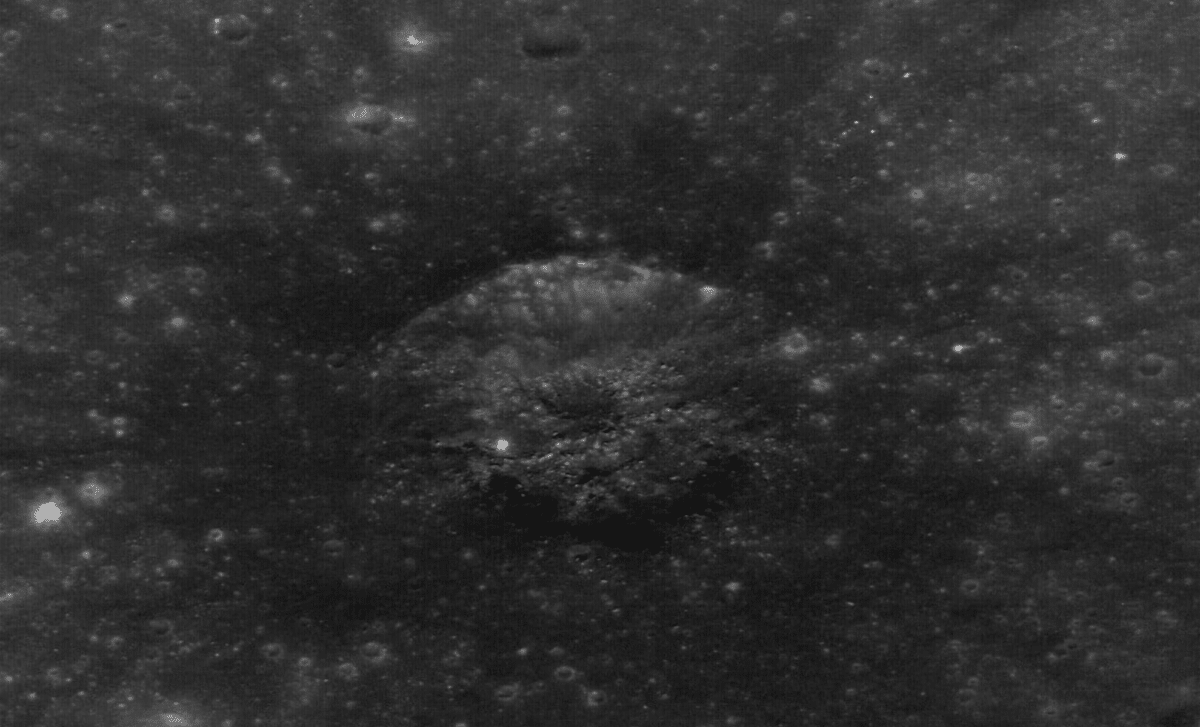
China’s ambitious plans to land astronauts on the Moon by 2030 are taking shape, with the Rimae Bode region emerging as a key target. This geological hotspot, recently highlighted in a Nature Astronomy study, could provide new insights into the Moon’s volcanic history and deep interior. As China prepares for its historic mission, Rimae Bode promises to offer valuable clues about the Moon’s past and its potential for future exploration.
Rimae Bode: A Geological Museum of the Moon
Rimae Bode is located near the Sinus Aestuum volcanic plains on the Moon’s near side, just north of the lunar equator. This region has drawn attention because of its diverse geological features, making it a “geological museum” that holds the potential for extraordinary discoveries. The area is home to volcanic ash, lava flows, and debris from ancient impacts, which could provide valuable samples for researchers. As part of China’s ambitious plans to land astronauts on the Moon by the end of the decade, the site offers an ideal location for astronauts to conduct surface research and collect samples that could reveal new insights into the Moon’s history.
The geological features of Rimae Bode are significant because they offer a cross-section of the Moon’s volcanic past. By studying these materials, scientists can gain a deeper understanding of the volcanic processes that shaped the Moon and how it has evolved over billions of years. As the astronauts explore the region, they will have the opportunity to sample volcanic ash erupted from the Moon’s deep interior, which could provide crucial information about its mantle and the forces that have shaped its surface over time. The region also features ancient lava flows and rilles, long, narrow channels formed by ancient volcanic activity, that could offer a unique glimpse into the Moon’s history.
 The Rimae Bode region and proposed landing sites.
Credit: Nature Astronomy
The Scientific Potential of the Rimae Bode Region
One of the most exciting aspects of the Rimae Bode region is its potential to provide groundbreaking insights into the Moon’s deep interior. According to Dr. Huang, one of the leading scientists behind the study, published in Nature Astronomy,
“The most groundbreaking discovery from the Rimae Bode region would likely come from the dark mantle deposits, which consist of volcanic ash and glass beads that were violently erupted from the moon’s deep interior billions of years ago.”
These materials, known as “messengers” from the lunar mantle, offer a rare opportunity to directly analyze the Moon’s chemical composition, which is typically hidden beneath miles of crust.
The volcanic ash and glass beads from the region could provide critical clues about the Moon’s cooling process and the events that shaped its surface. These samples could help scientists piece together a detailed history of the Moon’s volcanic activity, including the forces that triggered its largest eruptions. Dr. Huang explains that
“this would transform our understanding of not just the Moon’s history, but how all rocky planets, including Earth, cooled and evolved after their birth.”
This research could have profound implications for understanding the formation and evolution of rocky planets throughout our solar system.
 The purple star marks the proposed landing site LS2.
Credit: Nature Astronomy
Astronaut Training: A Key to Unlocking Lunar Secrets
To ensure the success of the mission, China’s astronauts must undergo intensive geological training. According to Dr. Huang, astronauts act as “our expert eyes and hands on the ground,” playing a crucial role in identifying and collecting the right samples for study. The astronauts will need to distinguish between ordinary rocks and “scientific gold,” such as tiny volcanic glass beads that may hold the key to understanding the Moon’s deep interior. Proper training will be essential for helping astronauts spot these important clues, navigate tricky terrain, and place sensitive scientific instruments in the best locations.
The astronauts will also be trained to recognize which samples are the most valuable, as the area is rich in various types of volcanic materials. By carefully selecting the right samples and conducting experiments, the astronauts will help scientists back on Earth gain a deeper understanding of the Moon’s volcanic history and the processes that have shaped it. Strong training will also help them safely explore the region and conduct research in an environment that is both unfamiliar and challenging.