
Senior ranger Buck Brown knows the sandy beaches and dense bush of truwana/Cape Barren Island intricately.
So when he spotted an animal he had never seen before during a controlled burn six years ago, he was shocked.
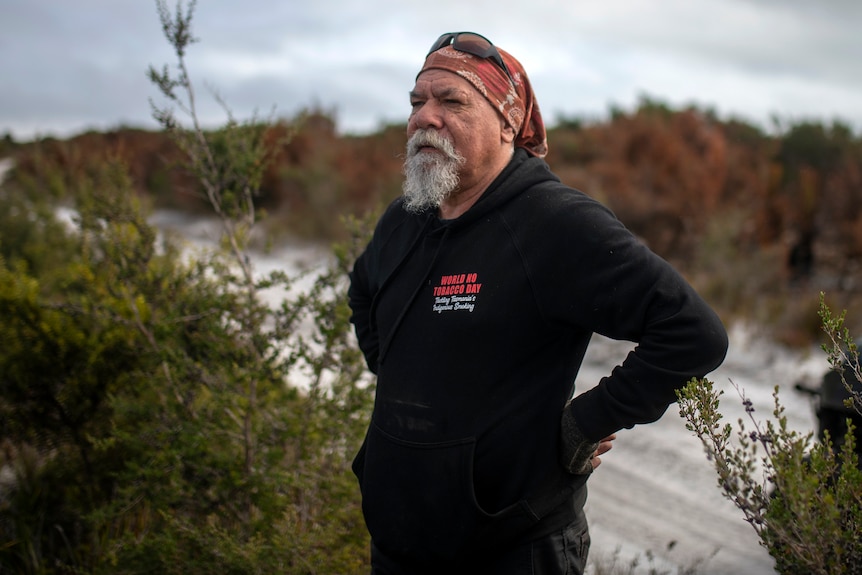
Buck Brown first saw a white-footed dunnart on the island six years ago. (ABC News: Morgan Timms)
“I’ve seen all these little marsupials coming out of the long grass … they started going under the four-wheel drive,” he said.
He dropped to his hands and knees to pick them up.
“I managed to catch a couple and put them in the four-wheel drive.”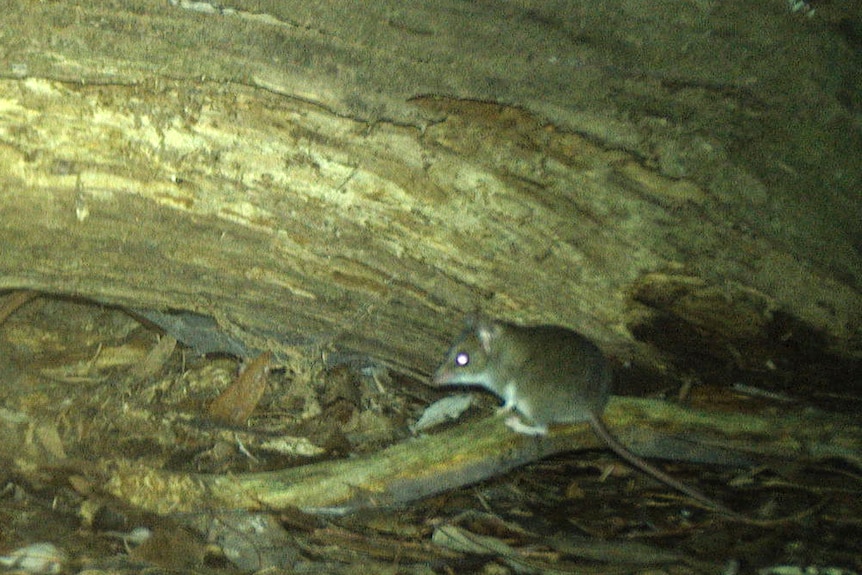
An adult white-footed dunnart is less than 10cm long. (Supplied: Truwana Rangers)
Six years on, a white-footed dunnart has been caught on camera for the first time on the island.
The tiny, insect-eating marsupial is listed as threatened in New South Wales, and experts estimate there may be fewer than 5,000 left in Tasmania.
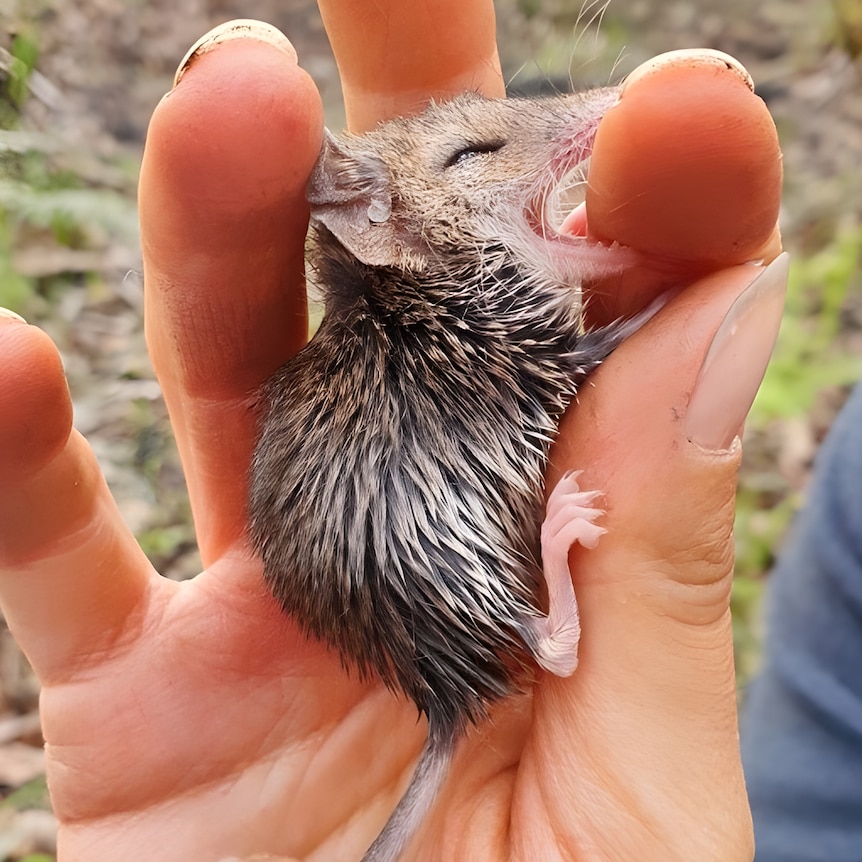
A white-footed dunnart is a carnivore, feeding mainly on insects, pictured here at Murramarang National Park on the NSW south coast. (WWF: Vivianna Miritis)
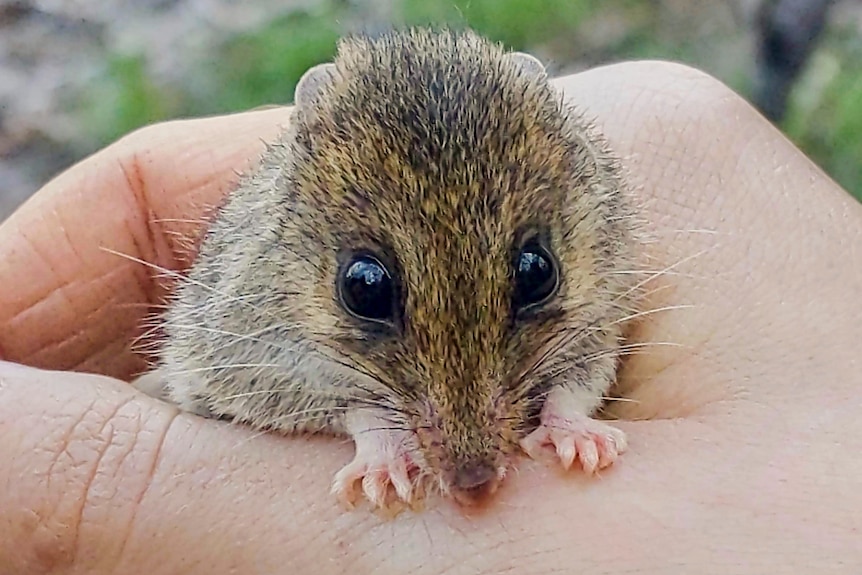
The white-footed dunnart is found in several states, pictured here on the NSW South Coast. (WWF: Vivianna Miritis)
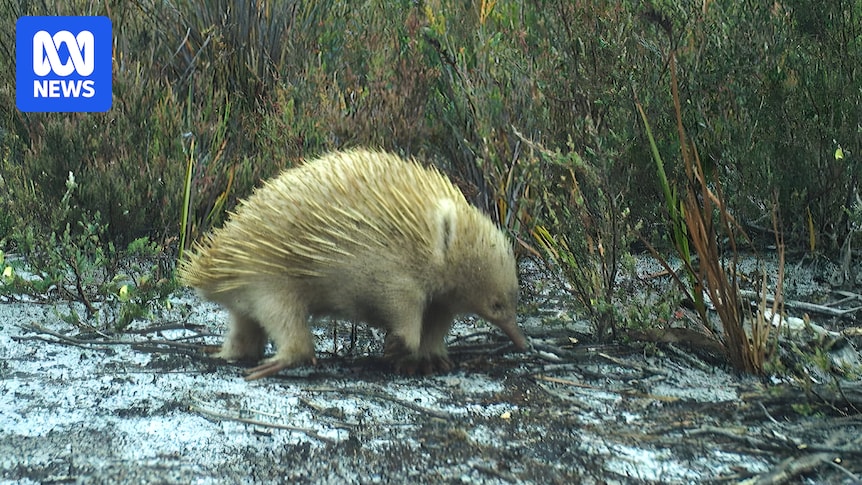
Blond echidnas on the islands
Photos of a blond echidna have also delighted rangers.
“It would have been cool to see them in person, but to know we’ve got them is pretty cool,” ranger Shane Hughes said.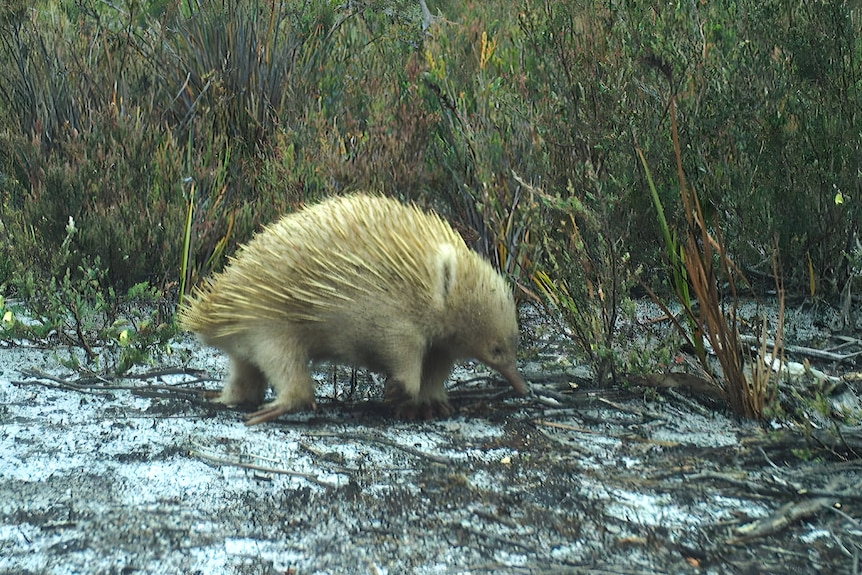
This echidna’s colouring is likely caused by a genetic condition called leucism. (Supplied: Truwana Rangers)
Nearby Flinders Island also boasts white echidna sightings.
Loading…
Charles Sturt University ecologist Liz Znidersic said the unusual pale colouring was due to an inherited condition called leucism, which causes a partial lack of pigment.
Albinism causes a total loss of pigment and is extremely rare, while leucism is slightly more common.
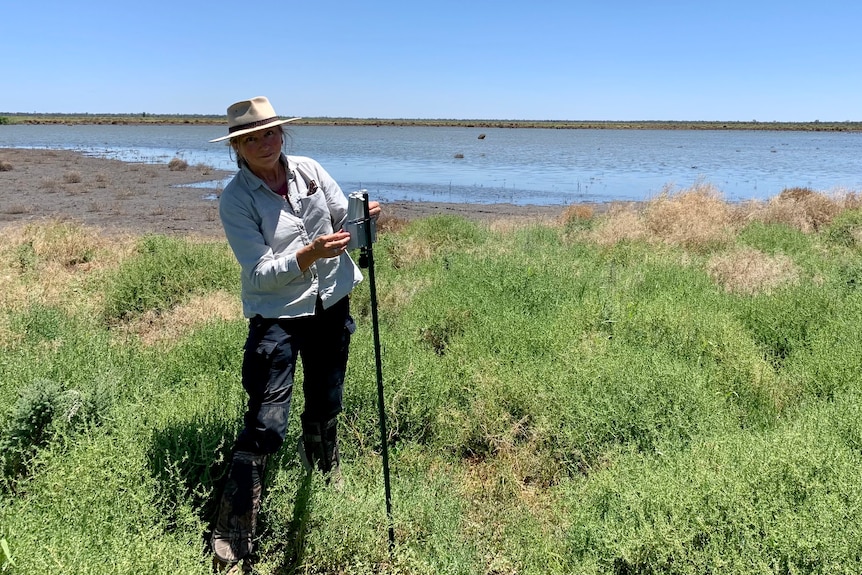
Liz Znidersic’s major research interests include survey methodologies. (Supplied: Charles Sturt University)
“It’s an inherited recessive gene,” Dr Znudersic said.
She said leucism could be more common in the islands’ echidna gene pools compared to mainland Australia.
Feral cats versus native species
Truwana/Cape Barren Island is home to about 80 people, and has been managed entirely by the Aboriginal community since the state government handed the land back in 2005.
Colonisation drastically changed the ecosystem of the island, with feral cats a major threat to native animals.
Almost every day, the truwana rangers head out in a ute armed with tins of sardines and metal cages to trap cats.
Loading…
Mr Brown said it was rewarding to see the effort pay off.
“We’re catching 30-odd cats every winter — that’s making a big dent in the feral cat population,” he said.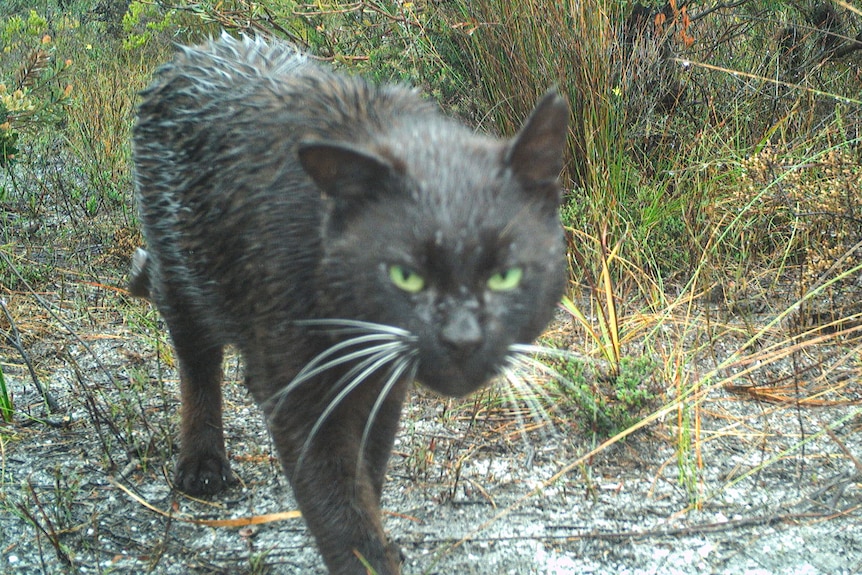
Feral cats pose a huge threat to wildlife wherever they roam. (Supplied: Truwana Rangers)
A self-described “bird nerd”, Dr Znidersic was also thrilled with images of the Latham’s snipe — a threatened species that migrates all the way from Japan and Russia to southern Australia.
It has never been photographed on truwana/Cape Barren Island.
“I’m beside myself,” Dr Znidersic said.
She said the snipe’s presence was proof that Indigenous land management was working.
“The habitat has to be really great for the Latham’s snipe to rock up and spend its summer,” she said.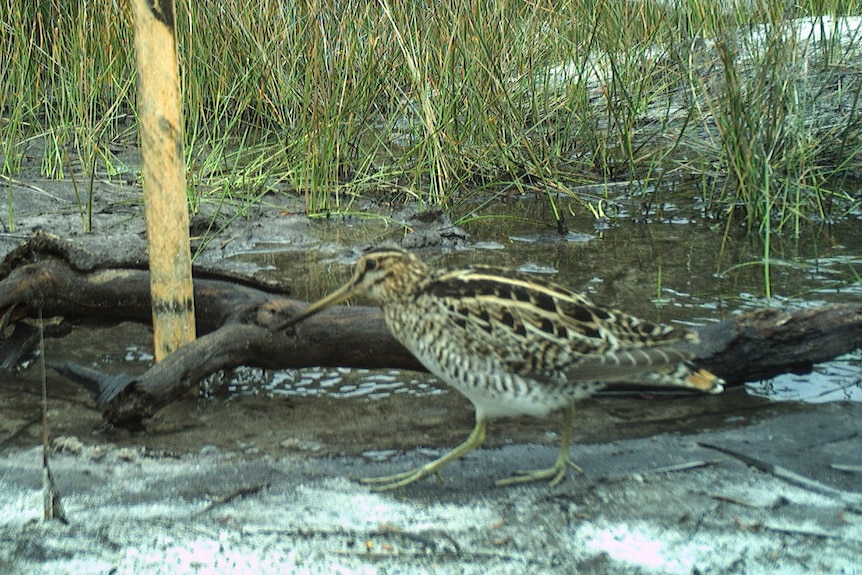
A Latham’s snipe enjoying its summer on the island. (Supplied: Truwana Rangers)
Collaboration is key
The truwana/Cape Barren Island cameras are part of a joint program between the local rangers and the Worldwide Fund for Nature (WWF).
Dr Znidersic said collaboration with locals was the key to the initiative’s success.
“To work very closely with the truwana rangers has been such a wonderful experience,” she said.
Mr Hughes said the cameras were the first step for the ongoing conservation of rare species.
“Hopefully, we can protect them and keep them here for the future … so they never get extinct,” he said.
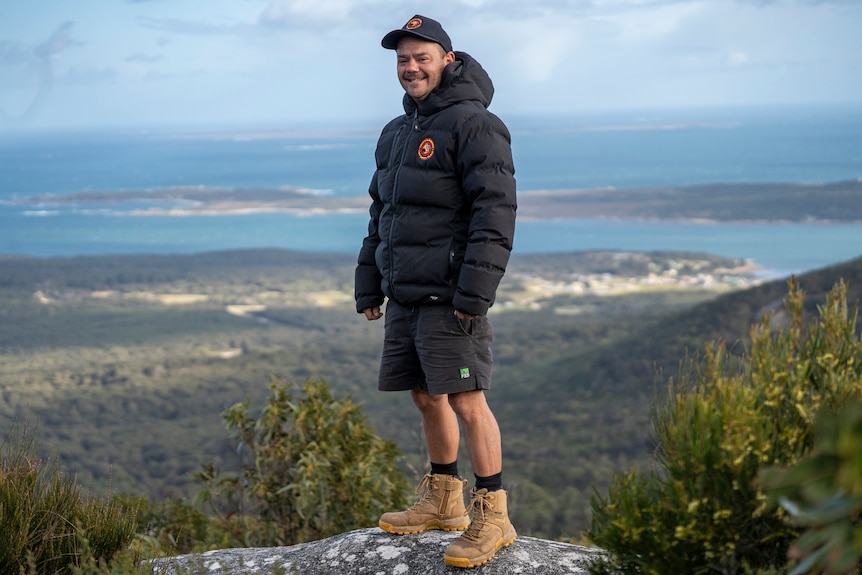
Shane Hughes hopes projects like this will inspire the next generation to care for country. (ABC News: Morgan Timms)
And the photos have already inspired his kids to look after their land.
“Now they’ve seen the photos, they want to go and find [the animals],” Mr Hughes said.
For Mr Brown, the images were a testament to his island’s uniqueness.
“I’ve always said to rangers … you can always learn something every day from walking on country,” he said.
“The land has always got something to show you.”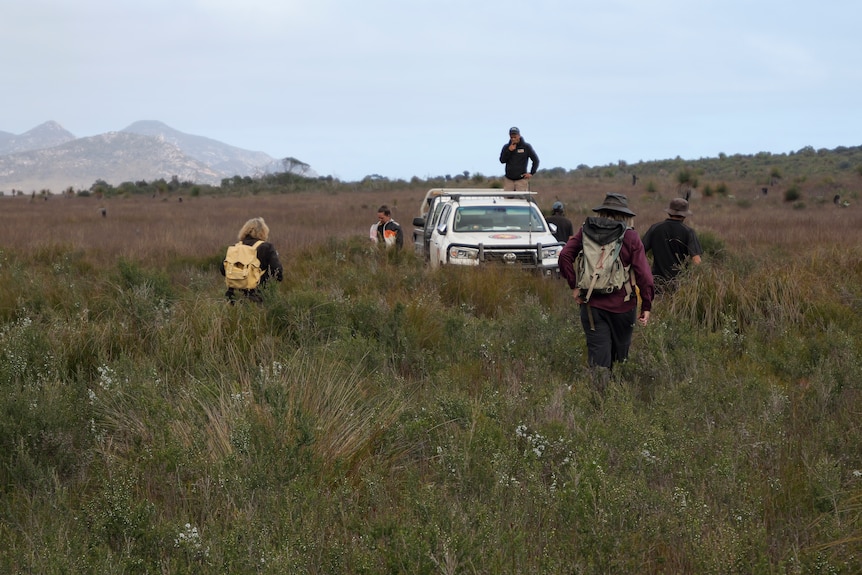
Truwana/Cape Barren Island was returned to the Aboriginal community in 2005. (Supplied: Emma Spencer/WWF)