
The world appears to have learnt nothing from the catastrophic lessons of the past regarding energy insecurity, and South Africa is sleepwalking into disaster as a result.
Nearly 50 years after the shockwaves of the first oil crisis, we are staring down the barrel of the same vulnerabilities, with wilful ignorance.
As tensions flare between Iran and the US/Israel alliance, the spectre of energy being used as a weapon has returned, exposing the fragile underbelly of global markets — just as it did in the 1970s.
Yet astonishingly, South Africa remains as exposed as ever, its leadership having done next to nothing to shield its people from the consequences. The weaponisation of energy is not some distant academic threat; it is a direct, menacing danger and should be treated as such.
The 1973 oil embargo crippled the world. Fuel shortages, soaring prices and rampant inflation showed that energy is not just a commodity but a powerful weapon in the hands of those who control it.
South Africa is dangerously unprepared as geopolitical tensions threaten key energy corridors such as the Strait of Hormuz. Even the possibility of disruption sends oil and gas prices soaring, yet South Africa remains passive.
This weaponisation of energy isn’t limited to simply shutting off pipelines. It’s in the sabotage of infrastructure, sanctions and the manipulation of markets. For countries that import their energy, the vulnerability is acute and relentless. Every swing in global prices, every supply hiccup, cascades into inflation, fuel shortages and economic turmoil.
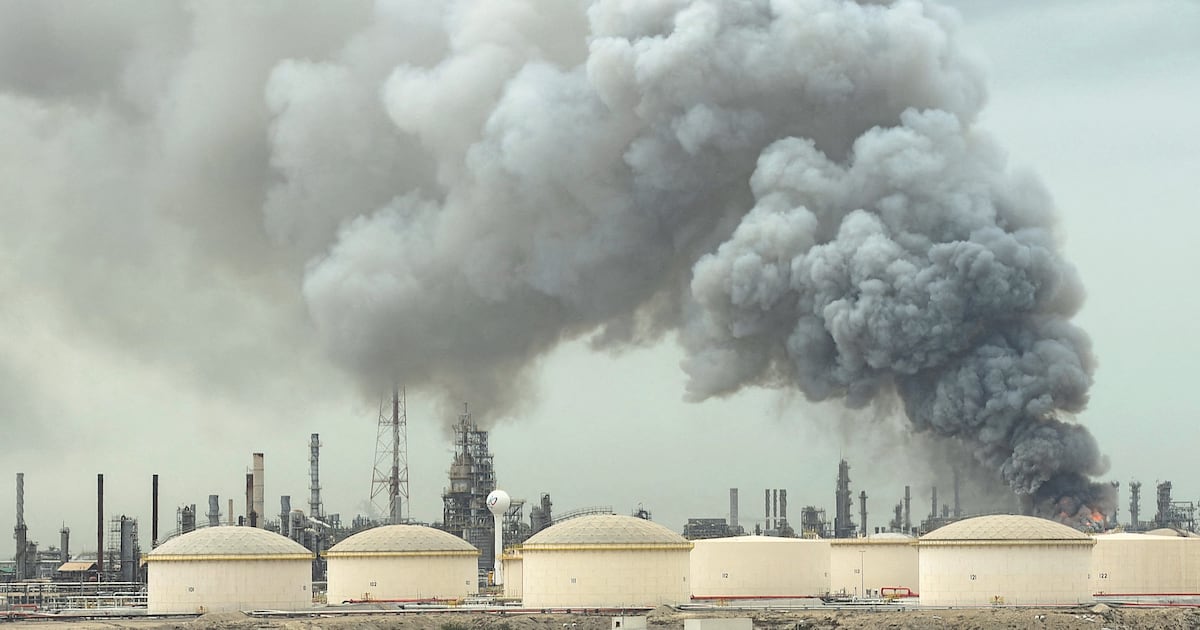
South Africa’s energy crisis isn’t just misfortune; it’s the direct result of reckless, politicised and shortsighted decisions. By closing most oil refineries and cutting capacity from over 700,000 to just over 100,000 barrels per day, the country has made itself almost entirely dependent on foreign suppliers and volatile global markets.
The government’s failure to expand or modernise fuel storage has left South Africa without adequate reserves, exposing the nation further to market volatility. Consequently, fuel prices are largely determined by international forces rather than domestic policy. Despite talk of decarbonisation and sustainability, the country’s infrastructure and industry remain heavily reliant on fossil fuels.
Energy security isn’t some lofty goal; it is the bare minimum needed to protect a country’s economy and political stability. Without aggressive steps to diversify energy sources, invest in domestic resources and stockpile reserves, South Africa is not just vulnerable; it’s already exposed.
The current spike in energy prices risks tipping the world into recession, and South Africa will bear the brunt — imported inflation and soaring electricity, food and fuel costs that choke every household and small business.
The complacency extends to the heart of the so-called green transition. The world’s energy and technology supply chains are so deeply entangled with fossil fuels that the dream of independence is just that.
The same oil refineries that are being closed produce sulphur, and as a result, the sulphuric acid essential for manufacturing solar photovoltaics, electric vehicles and batteries.
Meanwhile, the manufacture of advanced semiconductors uses vast amounts of electricity. Taiwan’s TSMC, responsible for nearly 90% of advanced chips, consumes 10% of Taiwan’s power. Meanwhile, 36% of Taiwan’s energy is stuck in liquefied natural gas tankers in the Strait of Hormuz. The message is simple: the shift to cleaner technology doesn’t free us from global energy networks; it ties us ever tighter to them.
South Africa’s failure to act is not benign neglect; it is an outright betrayal of its people’s future. We have allowed ourselves to stumble into energy insecurity, squandering years when we could have built resilience. There are not enough reserves, not enough diversification and not enough urgency from those in charge.
Building resilient, diverse and sovereign energy systems isn’t a matter of policy preference; it is an urgent, non-negotiable necessity. If we want to protect our country, economy and future, we must act decisively now.
• Mashele, an energy economist, is a sector specialist for energy and infrastructure at the Public Investment Corporation and a member of the board of the National Transmission Company of South Africa.