
In this edition:
Impact on fuel prices due to war in the Middle East
World Bank’s aid strategy for small islands
New kava regulations on the way in Aotearoa
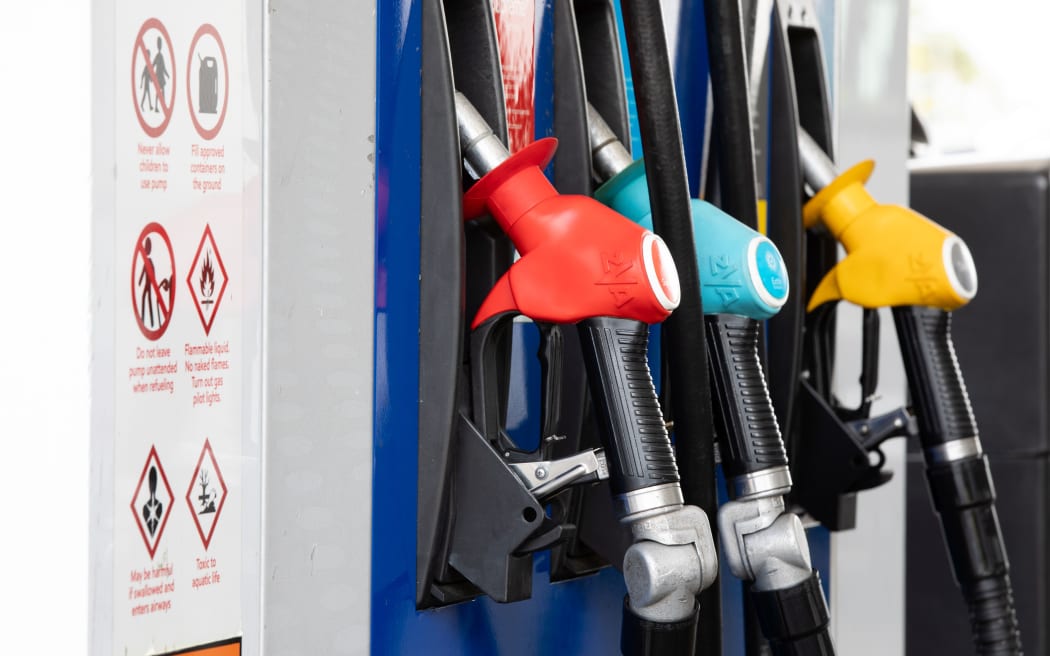
Pacific countries buy fuel in bulk, with shipments that can last months at a time.
Photo: RNZ / Dan Cook
Pacific energy: calm before the storm
Pacific Island nations are reducing their fuel prices while stocks last – but a price shock is looming.
RNZ Pacific reported last week that Pacific countries are particularly vulnerable to a global price shock, given their high trade exposure and dependence on imported fossil fuels.
Analysts were quick to warn of the coming trouble after Iran blocked the Strait of Hormuz, reducing tanker traffic by more than 80 percent.
But Pacific countries buy fuel in bulk, with shipments that can last months at a time, with many governments reassuring their people that things are stable for now.
The Vanuatu government advised in a statement on Tuesday that there was no cause for concern, saying current stocks are sufficient to cover usual consumption.
“The company’s supply program, based on a three-month rolling forecast, is secured, and no shortages are anticipated in the foreseeable future.”
All the same, Vanuatu acknowledged that the duration and level of rapidly increasing fuel and freight costs remained “unpredictable.”
In Fiji, the Competition and Consumer Commission (FCCC) has warned against “panic buying and hoarding” in anticipation of a price spike.
“Fiji’s fuel stocks currently remain stable and we have confirmed incoming shipments of fuel.” the statement read.
“Panic-buying and stockpiling will only create the very shortage people fear. If we each take only what we need, our collective supply will go much further, and we will be far better placed to weather any disruption that may arise.”
Fiji, along with Samoa, have decreased their petrol and diesel prices slightly, using a price cap mechanism.
Meanwhile, the International Energy Authority, whose members include Australia and New Zealand, announced they would release 400 million barrels of oil from their member’s stockpiles.
This was announced as a measure to buoy supply and slow the increase in fuel prices.
Members hold emergency stockpiles of more than 1.2 billion barrels.

The World Bank is repositioning its aid strategy for small island states.
Photo: 123RF
World Bank: aid pivots towards efficiency
The World Bank is repositioning its aid strategy for small island states, with indications they will narrow their focus.
It said the strategy revolves around three core principles: selectivity, differentiation and efficiency – in an article published on DevPolicy blog.
“A more targeted and efficient approach can help Pacific economies strengthen private sectors, expand opportunities and build resilience over time,” it said.
“Selectivity means concentrating on priorities with transformative impact…. we are channelling resources toward sectors that can convert growth into sustainable, private-sector-led job creation.”
According to the Lowy Institute Pacific Aid Map, the World Bank has spent US$8 billion in the Pacific region between 2008 and 2023, making them the Pacific’s seventh largest aid contributor.
Most of that has gone to Papua New Guinea (US$880m), Fiji ($562m), Samoa and Tonga ($323m and $312m).
At the same time, Lowy has projected a US$200m annual shortfall in Pacific aid as Western donors, including New Zealand, scale back.
A series of recent World Bank visits to the Pacific highlighted their key projects, including plans to to commercialize the agriculture sector in PNG, and donating an energy facility to Fiji.
The strategy will be made available in coming weeks.
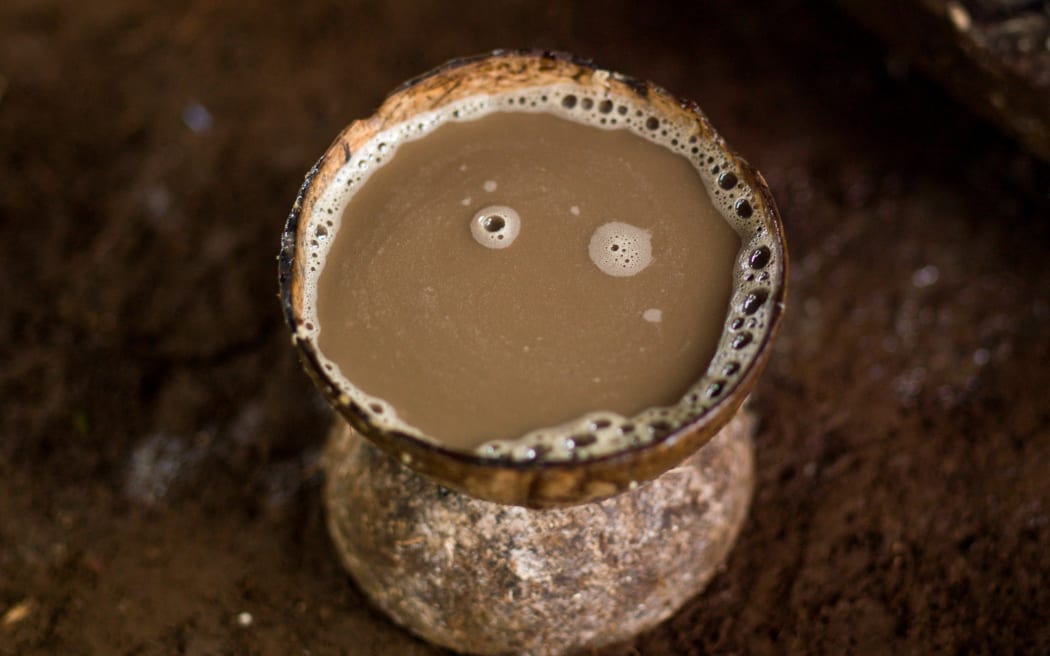
The Ministry for Primary Industries plans to ban additives and processing aids from kava products.
Photo: Eric Lafforgue / Hans Lucas / Hans Lucas via AFP
Kava regulations in New Zealand
New regulations for the Aotearoa kava market are on their way.
The Ministry for Primary Industries (MPI) plans to ban additives and processing aids from kava products.
MPI will also ban non-noble forms of kava, such as the tudei variety common in Fiji, for health reasons. The market impact will be negligible.
New Zealand Food Safety deputy director-general Vincent Arbuckle confirmed with RNZ Pacific that there was no record of non-noble tudei kava being imported into New Zealand in the past 12 months.
Further, there have been no investigations in the past 12 months relating to the sale or attempted sale of Kava mixed with additives, which was already technically illegal, Arbuckle said.
“We view the current consultation process as a non-urgent technical change. It is not based on any issues or complaints.”
Further, Vanuatu, which remains New Zealand’s largest source of noble kava, has banned non-noble variants from being exported altogether.
-This is the 2nd edition of the Pacific Business Brief.