
(Reported by TNN)
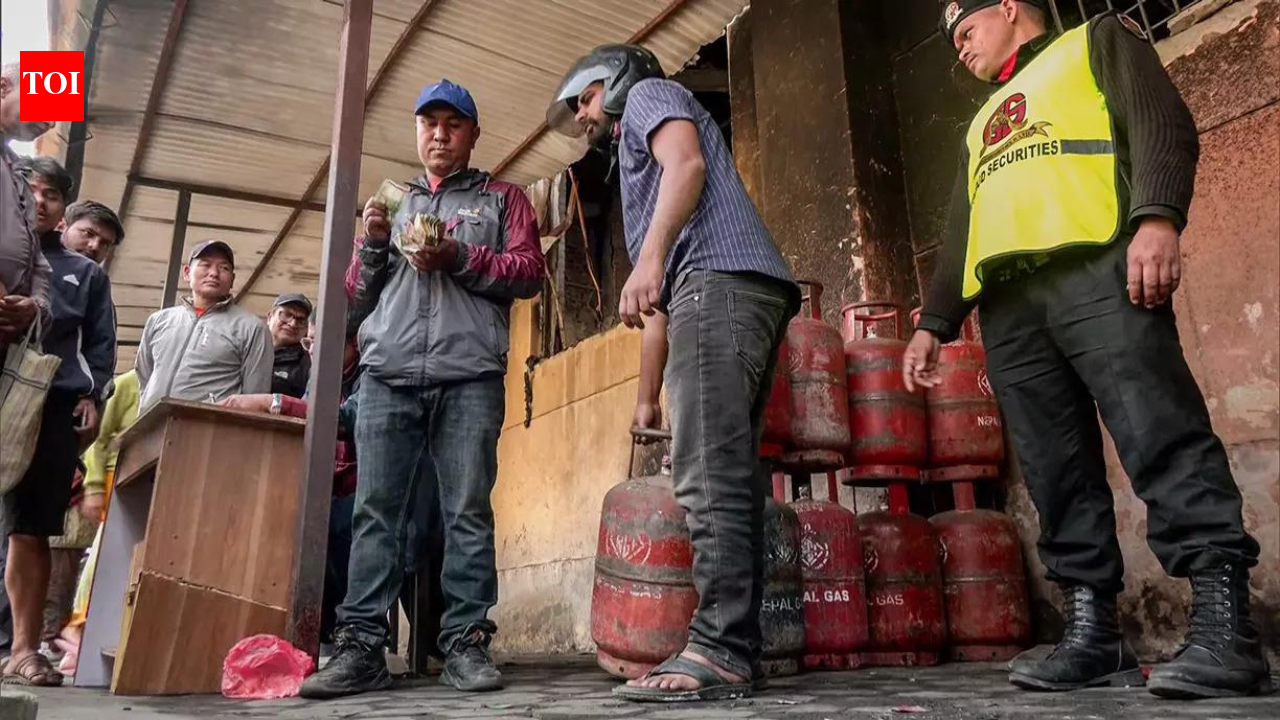
The shortage of LPG cylinders triggered by the ongoing conflict involving Iran, the US and Israel is beginning to disrupt daily life and livelihoods across the country, with reports of deaths in queues, black marketing, thefts, restaurant closures and steep price hikes emerging from multiple states.
In Tamil Nadu, domestic LPG cylinders that normally cost around Rs 1,400 are being sold in the black market for as much as Rs 2,800. The shortage has also forced eateries to shut operations in several states. Hotel associations said about 40% of eateries in Kerala and 30% in Karnataka have temporarily closed due to the lack of commercial cylinders.
Industrial units are also feeling the impact. At the Hingna industrial estate near Nagpur, more than 70% of MSMEs reported serious operational challenges following restrictions on commercial LPG supply and rising fuel prices. In Tamil Nadu, consumer helplines received around 70 complaints from customers about hotels and tea stalls overcharging and citing the gas crunch as the reason.
The shortage has also led to incidents of theft. In the Chalai market area of Thiruvananthapuram, CCTV cameras captured a man walking away with a commercial LPG cylinder from a hotel.
Religious and cultural practices have also been affected. The 200-year-old Sri Ganesh Temple in Secunderabad has temporarily stopped distributing annadanam and prasadam due to the fuel shortage. In Kolkata, sweets that require high-temperature flames — such as labanga latika, kalojaam, pantua and darbesh — have disappeared from shop counters. Restaurants in the city have also removed dishes like handi biryani, mutton rezala and dal makhani from their menus because they require longer cooking time and higher fuel consumption.
Educational institutions and hostels are also cutting back. In Bhopal, the shortage of commercial LPG cylinders has forced leading institutions such as National Law Institute University and Indian Institute of Science Education and Research to scale down hostel meal menus. Similar measures have been taken in Rajasthan’s coaching hub Kota, where several hostels and mess operators have reduced menu options, stopped serving snacks and, in some cases, switched to coal for cooking.
A Bharwad community-run hotel in Gujarat has reduced the number of rotis served to students from 700 to 300. In Kolkata, Desun Hospital has temporarily limited its menu to vegetarian and egg-based meals, as non-vegetarian dishes generally require more fuel, said CMD Sajal Dutta. The aim, he said, is to prioritise meals for patients over others.
The shortage has also led to tragedy. At Sehna village in Punjab’s Barnala district, Bhushan Kumar, 60, was standing in a queue to obtain an LPG cylinder early in the morning. He was customer number 25 among 125 people waiting in line after arriving at 5am. At 7.50am, he collapsed. He was taken to hospital but died on the way.
Price increases are being felt at small eateries as well. Several tea stalls in Chennai raised the price of tea from Rs 3 to Rs 5. In areas such as Mogappair and Anna Nagar, the price of tea rose from Rs 12 to Rs 15, while coffee went up from Rs 15 to Rs 18. Vendors said the revised prices would remain in place until the gas supply situation improves. “Commercial gas now costs as much as Rs 5,000. We are also unsure about when we get a refill,” a vendor said.
In Kerala, the hospitality sector has been hit particularly hard. “The worst hit are the eateries in urban hubs like Kochi and Thiruvananthapuram, where fire-safety norms and congested buildings make switching to traditional firewood impossible. Out of the nearly one lakh hotels, small and big, nearly 40% have downed shutters,” said N Abdul Razzak, general secretary, Kerala Hotel & Restaurant Association.
Across the country, families and small eateries are trying different ways to cope with the shortage. In Punjab, many dhabas have started using earthen chulhas, increasing the demand for wood and coal. Some households have turned to small tandoors and kerosene stoves.
Meanwhile, the demand for electric cooking alternatives is rising. In Kanpur’s Maniram Bagiya market, which has over 150 electrical goods shops, demand for induction cooktops has surged, according to Manoj Mehgani, president of the Maniram Bagiya Electric Market.