
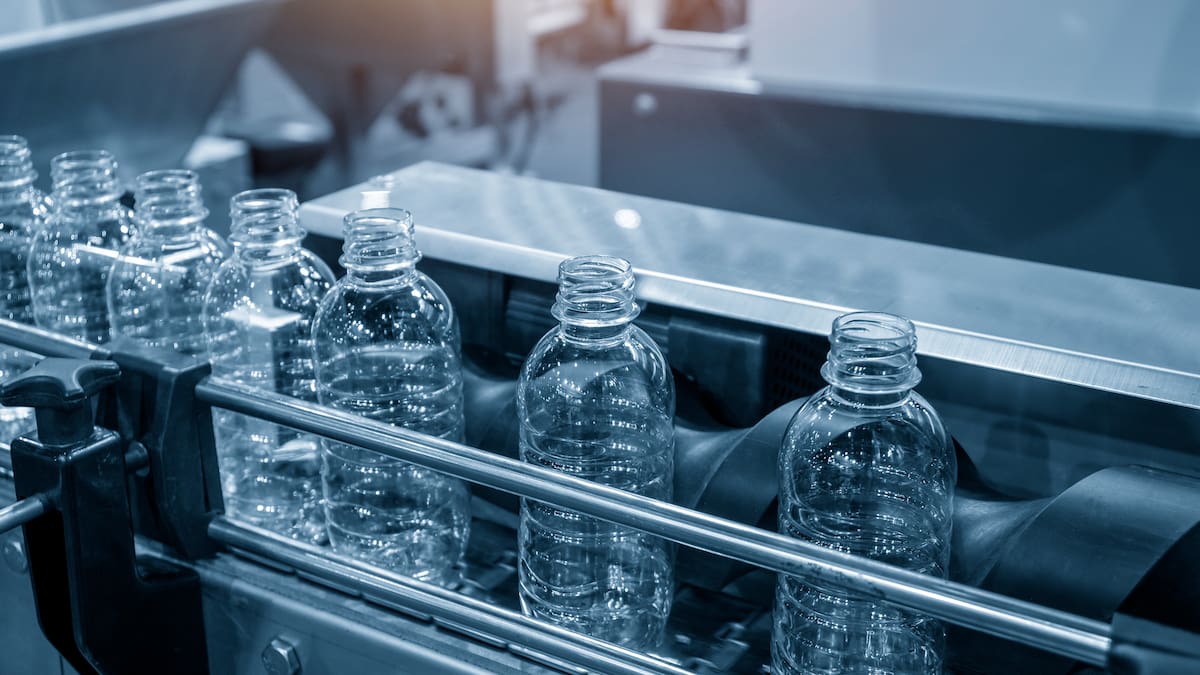
Speaking as part of her Iran update today, Finance Minister Nicola Willis said that while the Government had a high level of focus on fuel, other core issues in the supply chain included access to fertiliser, bitumen and plastics.
She said she had been advised by the Ministry for Primary Industries that New Zealand’s major agricultural exporters relied on adequate stocks of packaging in order to export many of their goods.
“They advise they have sufficient stocks for the next few weeks and months, but officials are now checking with smaller businesses and remain engaged with exporters on what their main needs might be.”
Bonson manufactures single-use takeaway containers, bowls and food storage options from a range of materials, including polypropylene, polyethylene terephthalate (PET), polylactic acid (PLA) bioplastic, as well as sustainable materials, including sugarcane and paper.
Finance Minister Nicola Willis says the Government is mindful of supply chain issues as the Middle East conflict rumbles on. Photo / Mark Mitchell
The company currently provides products to Foodstuffs and Fonterra, among others, and has been in contact with them to provide reassurance about supply chains.
Bennett said Bonson was fortunate that one of its central materials is exported out of Australia and the supplier has indicated there are no issues with supply.
However, he said he still has concerns because the supplier needed to get its raw material out of the Middle East.
Bennett said his business started preparing early after there started to be “whispers” of supply issues, noting that most of the stock the company secured early was probably not available now.
Foodstuffs is among the companies that Bonson Packaging provides with containers.
“As a philosophy, we always make sure that we’ve got plenty of stock coming through. Knowing where we sit in the world and the issues that you can have even without conflicts happening, we always make sure that we’ve got two to three months’ worth of stock. We’ve buffered that up a bit.”
As for the strategy going forward, Bennett said the company was “completely reliant” on materials arriving in New Zealand.
“Our suppliers are working pretty hard to try to find alternative grades and that sort of thing from different locations, some have even mentioned the United States – but that’s a long supply chain.
“Every day is different, but the longer it goes on, the less assurance we have.”
Businesses ‘monitoring’ outcomes
According to the New Zealand Plastics Industry body, New Zealand imports all plastic raw materials in either granular or sheet form and they come mainly from Asia and North America.
New Zealand has more than 300 plastics companies and specialises in key sectors including agriculture, construction, medical, engineering, industrial componentry, technology, packaging, homewares and appliance sectors.
The industry body said it employs more than 9000 people and has revenues of about $2 billion.
In general, New Zealand does not manufacture plastic raw material.
But firms such as Fletcher Building, a2 Milk and Fonterra rely on plastic‑heavy packaging.
A Fletcher Building spokesperson said the business was monitoring the situation and is regularly assessing potential impacts on its supply chain.
“At this stage, it is too early to quantify the effect on our businesses. Should there be significant disruptions, we will take steps to ensure continuity of supply for our customers,” the spokesperson said.
Tom Raynel is a multimedia business journalist for the Herald, covering small business, retail and tourism.
Stay ahead with the latest market moves, corporate updates, and economic insights by subscribing to our Business newsletter – your essential weekly round-up of all the business news you need.