
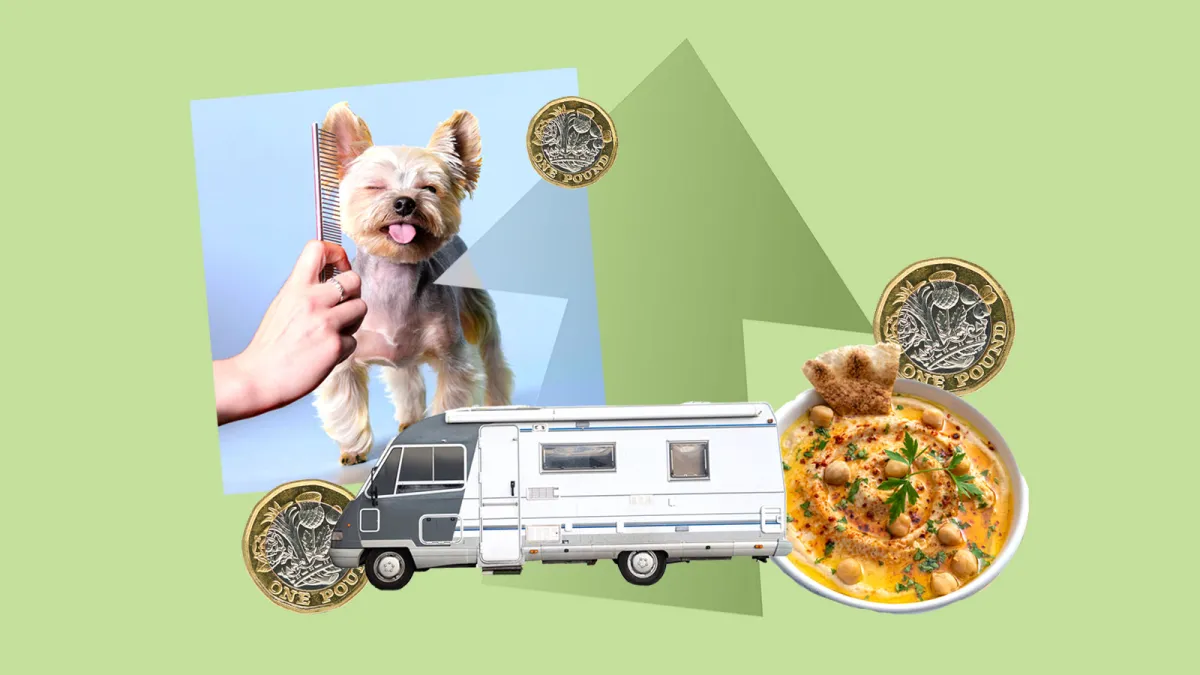
Hummus and alcohol-free beer have been included for the first time in the basket of goods and services used by the Office for National Statistics to calculate inflation.
The additions reflect Britons’ growing appetite for healthier lifestyle choices, the statistics agency said, as it also added non-olive-oil spray oils — often considered a lower-calorie option — to the list.
Other additions included motorhomes, which the ONS said had previously been unrepresented despite accounting for significant consumer spending. “Its addition alongside caravans provides a better representation of this part of the basket,” the agency said.
Pet grooming has also been included amid growing demand from owners seeking additional treatments and care services beyond basic veterinary provision.
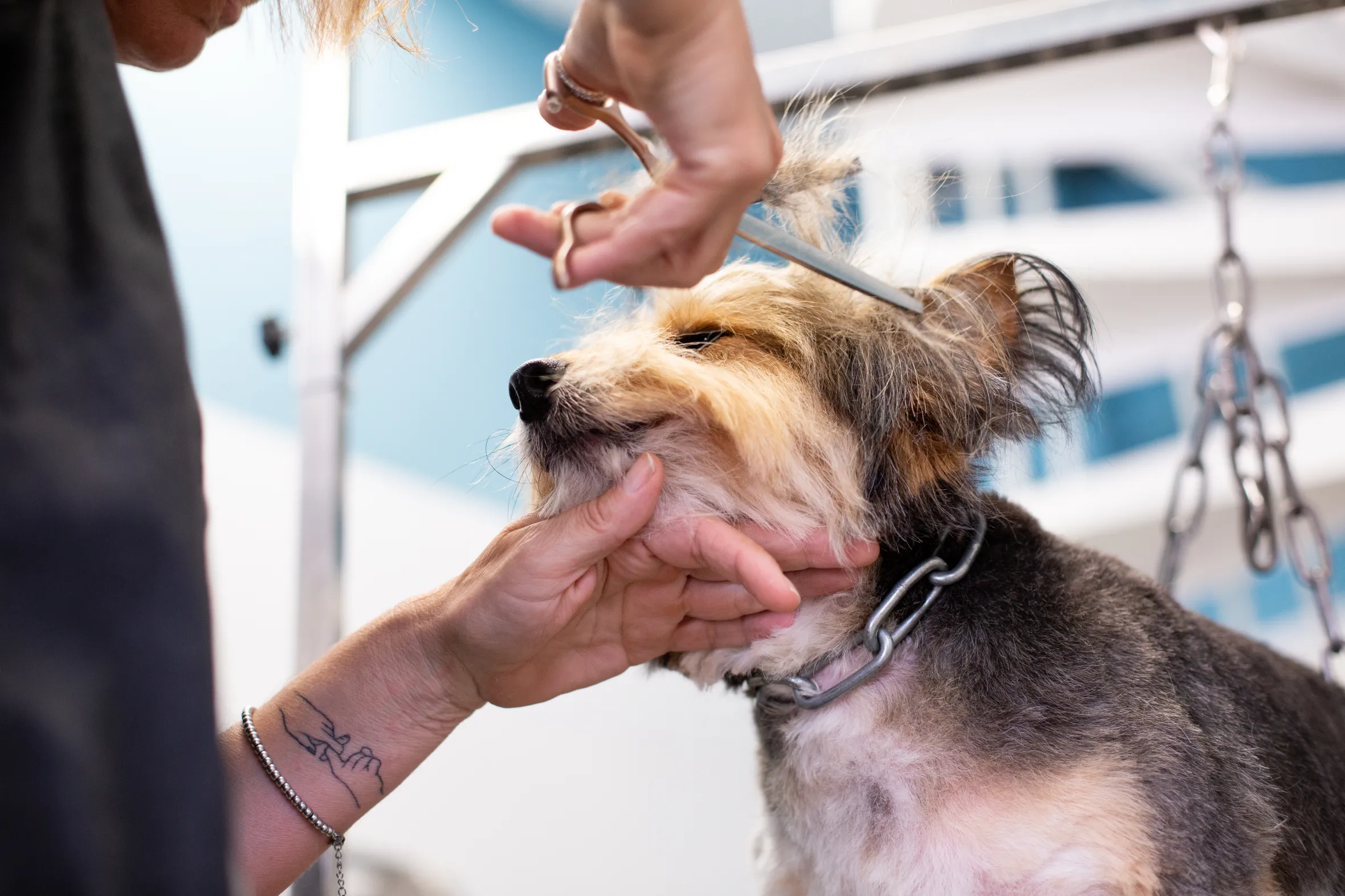 Pet owners are seeking extra care servicesGetty IMAGES
Another new inclusion was dashboard cameras, reflecting the expanding range of security products available to motorists.
In total, the ONS added 27 items and removed 19 from the basket, which contains about 760 goods and services.
The basket reflects the typical mix of goods and services that households spend on and is used to compile the ONS’s monthly consumer price index measure of inflation. Inflation fell sharply in January to 3 per cent, its lowest level in nearly a year, although there are concerns it could begin to rise again amid geopolitical tensions after the outbreak of war in Iran.
This year’s changes highlight broader shifts in consumer behaviour, with shoppers increasingly embracing healthier, protein-focused diets and making greater use of GLP-1 weight-loss drugs.
Stephen Burgess, deputy director for prices at the ONS, said: “This year, healthier lifestyle choices are influencing consumer spending, reflected by goods such as hummus and non-alcoholic beer, while motorhomes wheel into the basket and increased demand for pet grooming is reflected.”
Several reclassifications of existing products were also introduced to improve the quality of price data collected. In the hotel sector, prices collected one day in advance have been removed from the basket, while an additional monthly collection day will be introduced for prices gathered further in advance. The ONS said the change should help reduce volatility.
In another tweak, sheets of wrapping paper have been replaced with rolls of wrapping paper, which the ONS said “better reflect availability in the gift-wrap sector”.
Business newsletter
The business editor’s exclusive analysis of all the latest financial and economic news.
Sign up with one click
The biggest change this year comes from the introduction of supermarket scanner data covering more than half of the grocery market. This means thousands of manually collected price points will be replaced by millions of prices automatically gathered from supermarket tills.
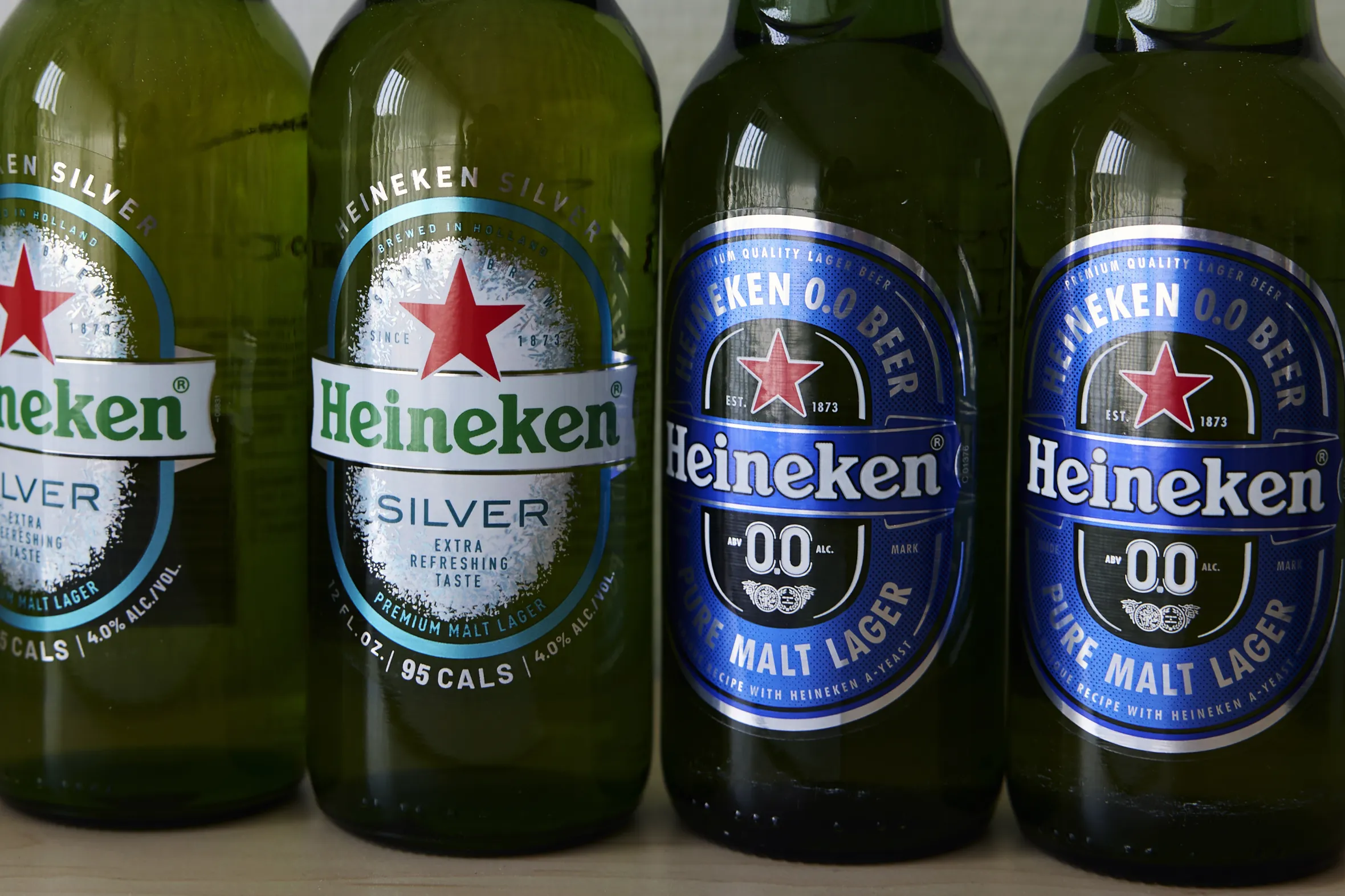 Health-conscious shoppers are buying more non-alcoholic beerKSENIA KULESHOVA/BLOOMBERG/Getty IMAGES
The ONS said the data would not disclose information about individual consumers but would show how much of each item is sold, allowing statisticians to assess how changing prices affect purchasing behaviour and ensuring the basket is weighted more accurately to reflect buying habits.
Last year the ONS added virtual reality headsets to the basket for the first time, reflecting rising interest in emerging technology. At the same time, it removed adverts in local newspapers and in-store cafeteria meals, along with pre-cooked pork and gammon joints and DVD rental.
The ONS will publish its next inflation estimate, covering February, on March 25. The Bank of England is widely expected to keep interest rates at 3.75 per cent when policymakers meet on Thursday.