
My photographic journey is an ongoing battle to be more aware of my surroundings. By learning to take the time to look more deeply at a subject, you can unlock a powerful photograph that would otherwise be lost or, worse, boring.
Alex Kilbee talks about how preconceptions often get in the way of creating good photographs. Many of us see the world in a certain way based on our training and experiences, which doesn’t always help us unlock a subject’s potential. By going through a few examples and historical context, Kilbee provides methods we can all use to break out of a rut, see things from a new perspective, and create more interesting and compelling work.
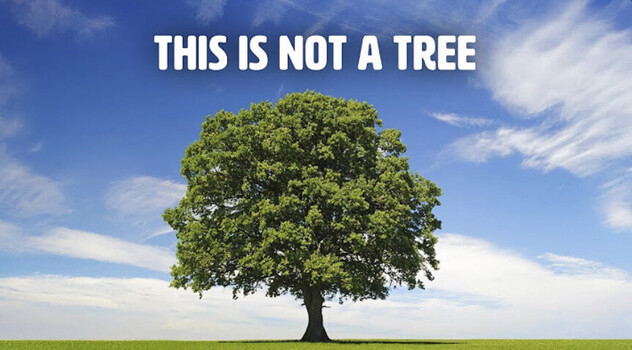
The idea of shooting the adjective vs. the noun is a fantastic and different way to think about things. Kilbee discusses not taking a photo of a tree, but focusing on its “treeness.” What is it that makes the tree interesting? It could be the texture of the bark, the shadow it creates, the pattern of the leaves, or the light that passes through them. By slowing down and taking a moment to analyze what about a subject draws your attention in the first place, you will give yourself a better chance of capturing that element in your photo.
Kilbee discusses the difference between looking and seeing, and how it often makes the difference between a solid picture and one more akin to a snapshot. He demonstrates that even in well-documented places, such as Venice, Italy, new images can be made if you look for the right elements.
As a “Type A,” checklist-driven type of person, I often find myself setting goals when I go out to shoot landscapes or street photography. Those goals can lead to great results, but they can also cause me to miss even better opportunities because I am not letting myself see everything around me.
I have to remind myself to stop and look around, not just focus on the goal photo, and be open to new possibilities. Sometimes I force myself to sit down on a bench or lean against a tree or building and just observe. Kilbee’s approach and methods resonate with me. I understand how important these little exercises can be, and how they can have a huge impact on my work.
It doesn’t matter if you’ve been a photographer for ten years or ten days; we can always add a new technique to our repertoire because we never know when we might need it.