
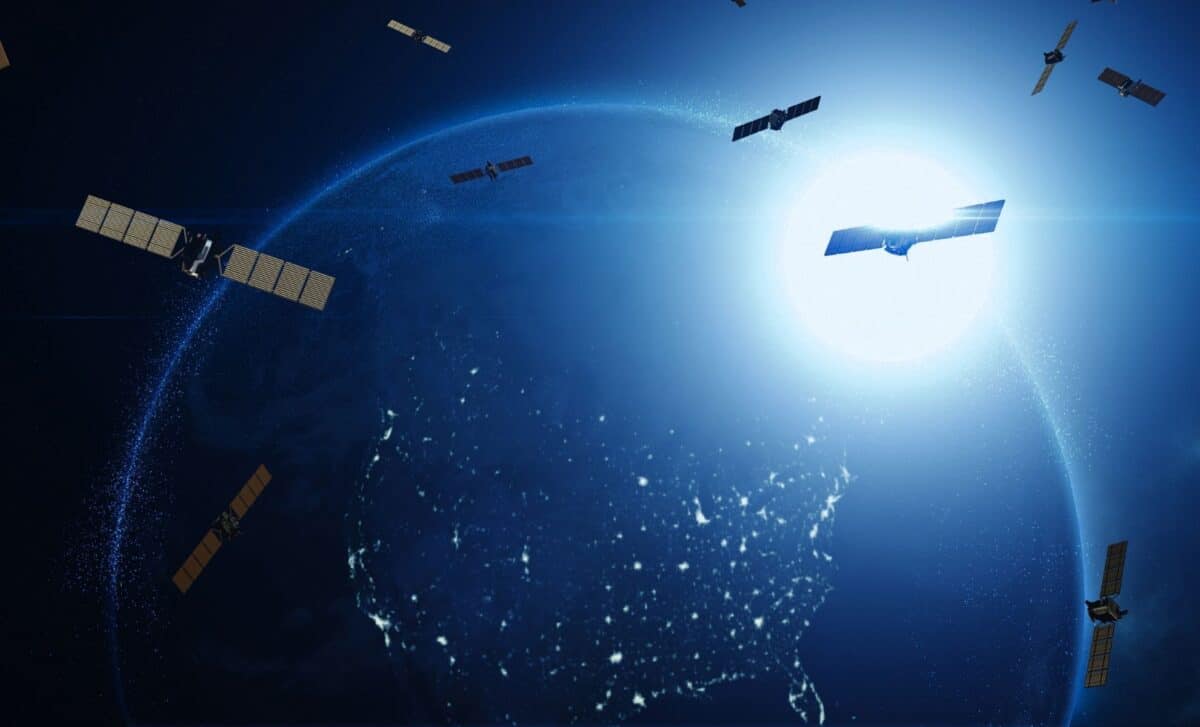
Starcloud, a startup focused on building data centers in space, is pushing to launch up to 88,000 satellites. The company has filed a request with the Federal Communications Commission (FCC) to get approval for this massive satellite constellation, designed to power artificial intelligence (AI) and other high-demand technologies from low Earth orbit.
With the growth of AI and data-heavy applications on Earth, Starcloud believes traditional data centers are struggling to keep up. Their space-based solution promises to offer more scalable and cost-effective computing power, bypassing the limitations that come with building data centers on the ground.
Why Data Centers Are Heading to Space?
Current data centers are running out of space and energy to keep up. This is where their satellite constellation comes in, by moving data processing into space. According technical white paper published by Starcloud, their satellites will be positioned to stay in sun-synchronous orbits, meaning they’ll have almost continuous access to solar energy.
“These satellites will utilize the unique advantages of space: near-constant solar power, radiative cooling, and the ability to scale sizes and power levels not possible on Earth,” as stated in a formal license application submitted to the U.S. Federal Communications Commission (FCC) .
The idea is simple: send the data centers into space where there’s no shortage of power. By having a fleet of celestial observers working in sync, Starcloud could scale its infrastructure far beyond the capacity of traditional data centers.
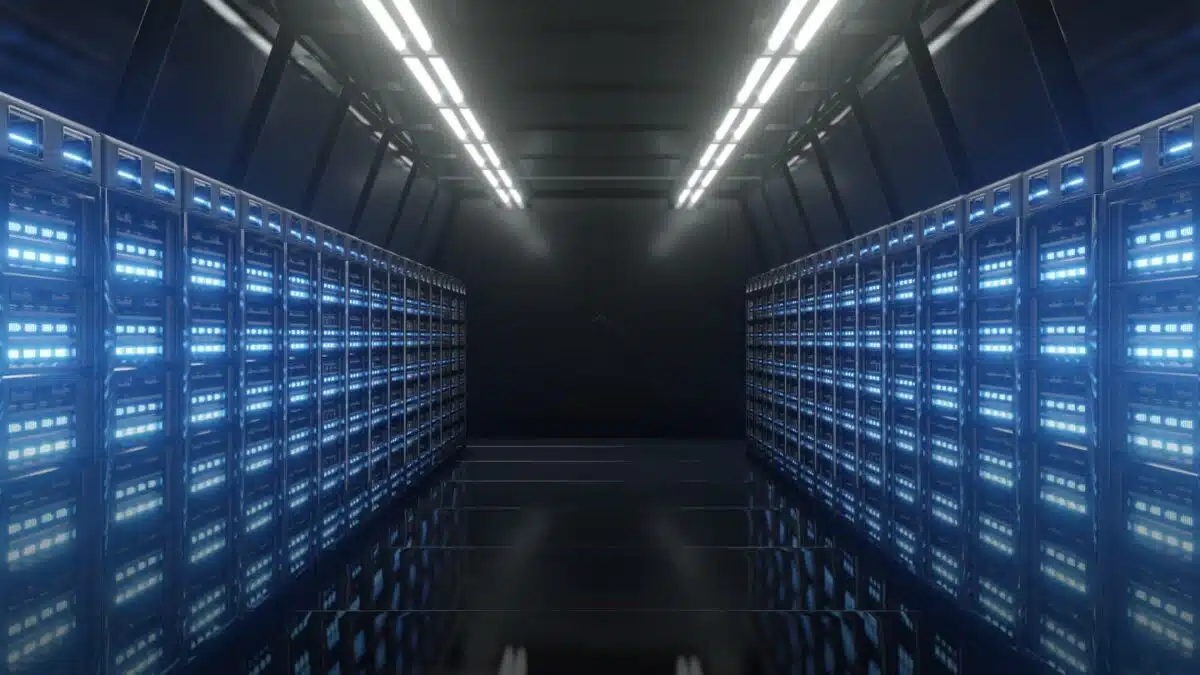 Inside a state-of-the-art data center. Credit: Starcloud
The Satellites and How They’ll Work
While the startup hasn’t revealed all the details, we know that the satellites will be launched into narrow orbital bands at altitudes between 600 and 850 kilometers above Earth. They will use sun-synchronous orbits to maintain a steady supply of solar energy. The company has also stated that the artificial moon will be designed to burn up entirely when they reenter Earth’s atmosphere, leaving no debris behind.
To ensure space safety, Starcloud plans to conduct initial tests with satellites in lower orbits before raising them to their final positions. This way, any malfunctioning satellites can safely reenter the atmosphere without causing issues in orbit.
Starcloud has already launched its first satellite, Starcloud-1, which is equipped with an Nvidia H100 processor. This one is used to run a version of Google’s Gemini AI model in space. Looking ahead, the company plans to launch more, including Starcloud-2, set for 2027, which will have even more advanced technology to support large-scale operations.