

All is silence at first. On entering the Prado Museum in Madrid, no sign betrays the crowds reputed to congest the spaces in front of its most renowned paintings.
Not a soul stirs by José de Ribera’s The Trinity, nor across the hall opposite, next to El Greco’s treatment of the same subject.
In the Murillo room stands Juan de Mesa’s polychromatic statue of Saint John the Baptist at its centre, gesturing with a hand to non-existent visitors. Diego Velázquez’s buffoons, until recently known as dwarfs, caper in an empty room.
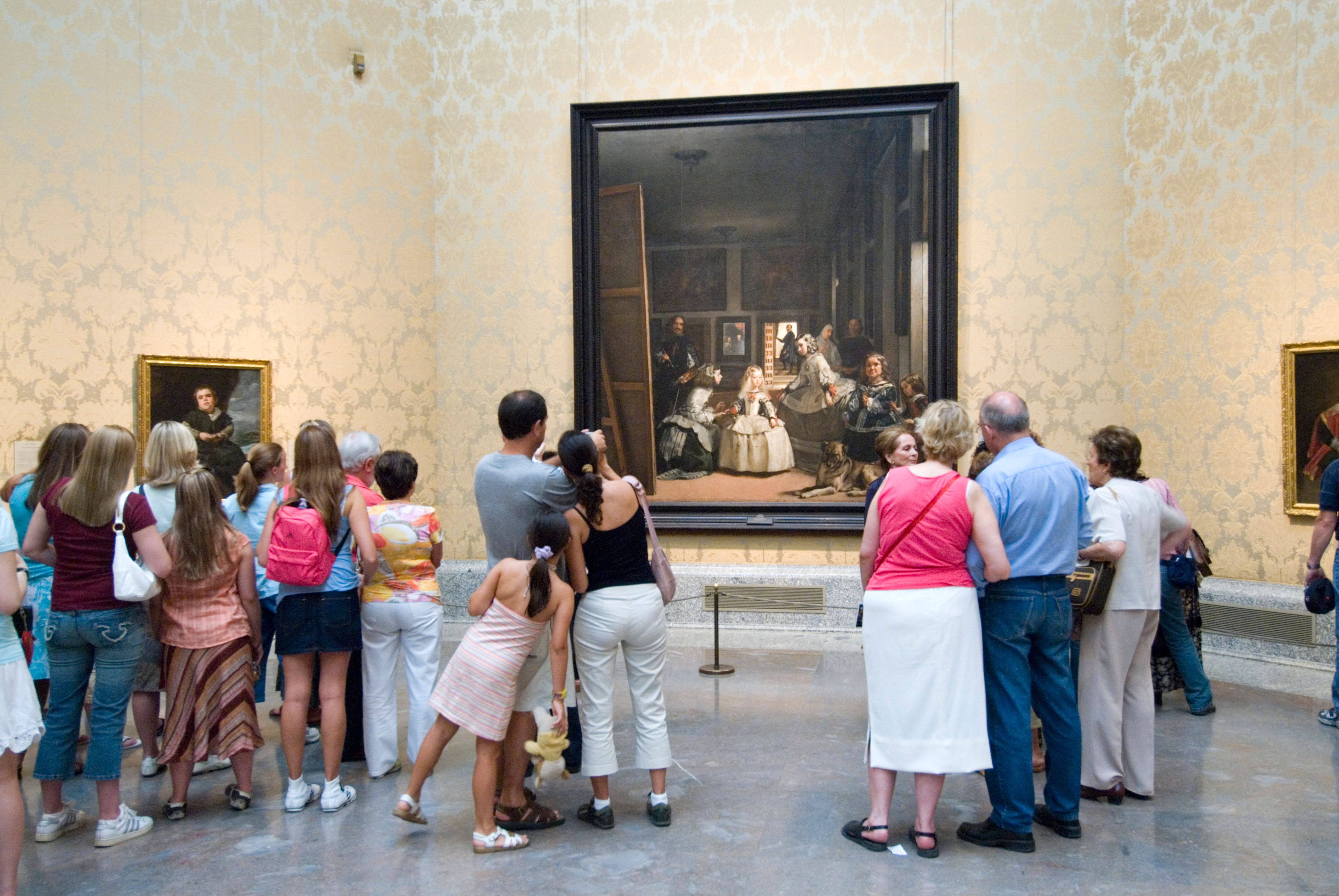
A lone elderly woman, seated on a bench, massages her legs in front of Vanvitelli’s View of Venice from the Island of San Giorgio. Even in the cavernous room housing Las Meninas, only half a dozen heads crane towards Velázquez’s most famed work.
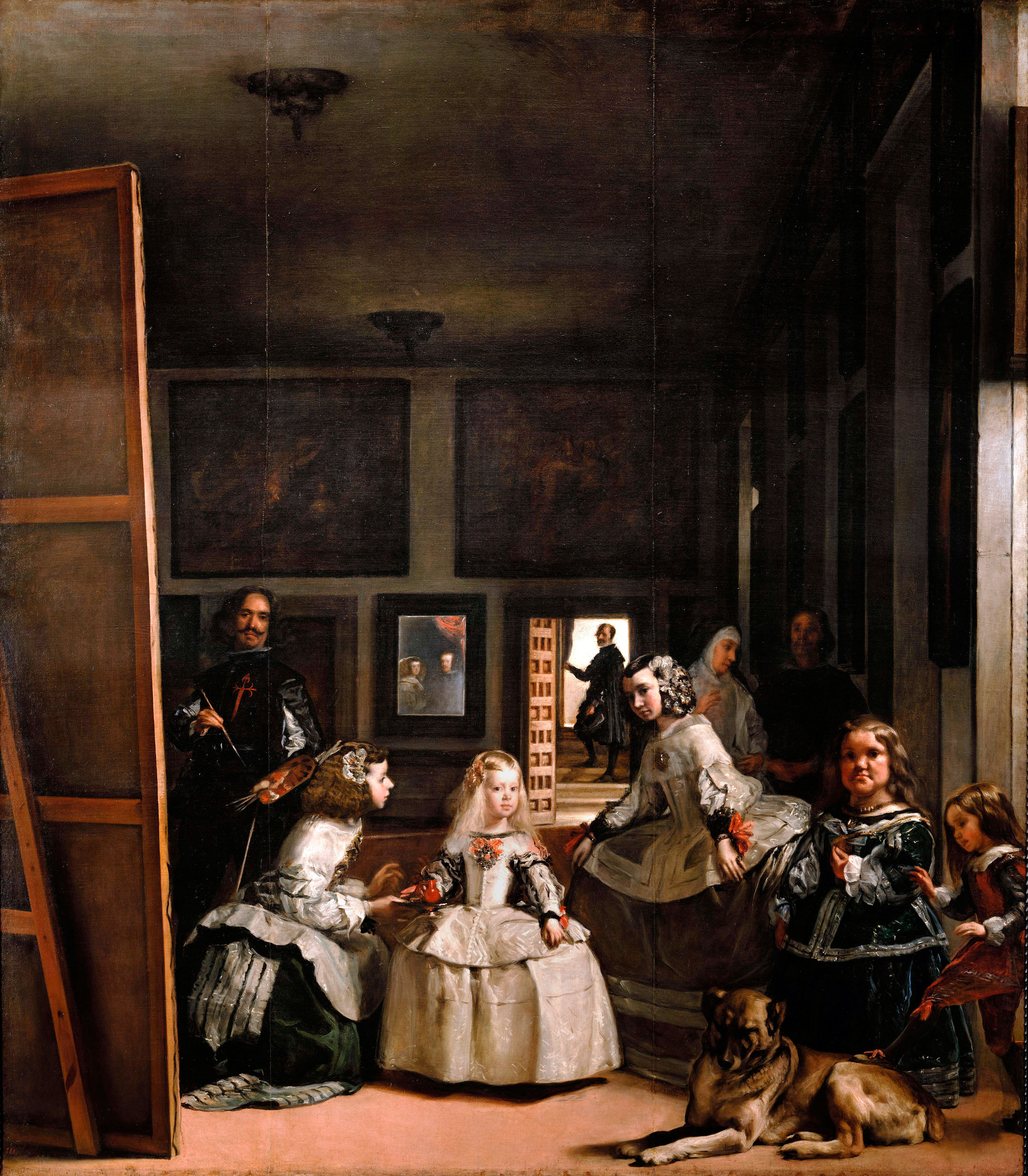
Las Meninas by Diego Velázquez
ALAMY
But on descending towards Pieter Bruegel the Elder’s The Triumph of Death, the murmur begins to transform into a hubbub, the trickles of visitors into torrents. Then they become a hullabaloo and a sea of souls at Hieronymus Bosch’s The Garden of Earthly Delights, mirroring the chaos depicted in the triptych’s third panel: Hell.
More voices than a polyphonic choir exclaim wonder and horror in a Babel of tongues. Guides, speaking into microphones, rattle off interpretations about the mysterious piece. Security staff shout “Por favor!” as the noise reaches a crescendo.
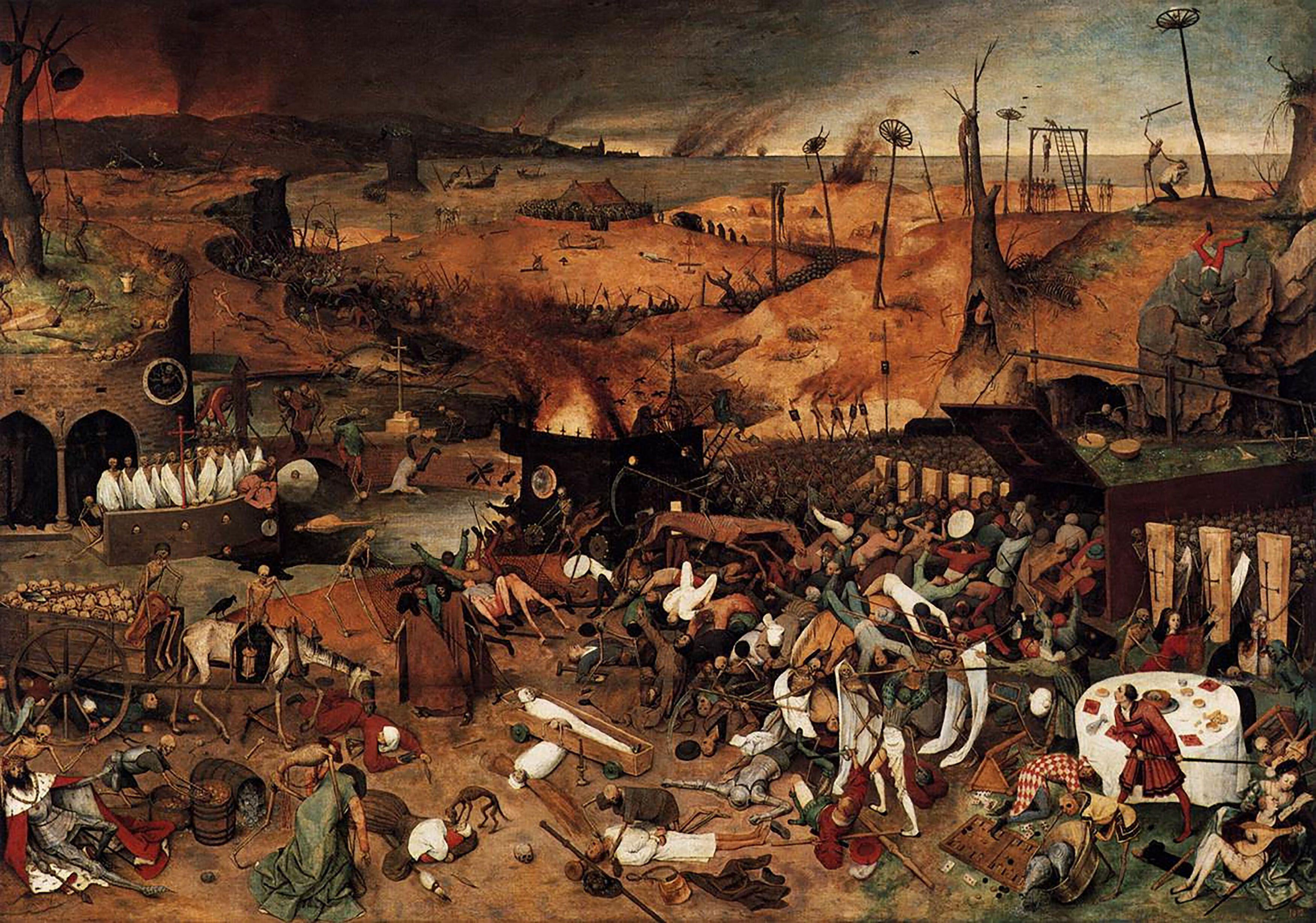
The Triumph of Death by Pieter Bruegel the Elder
ALAMY
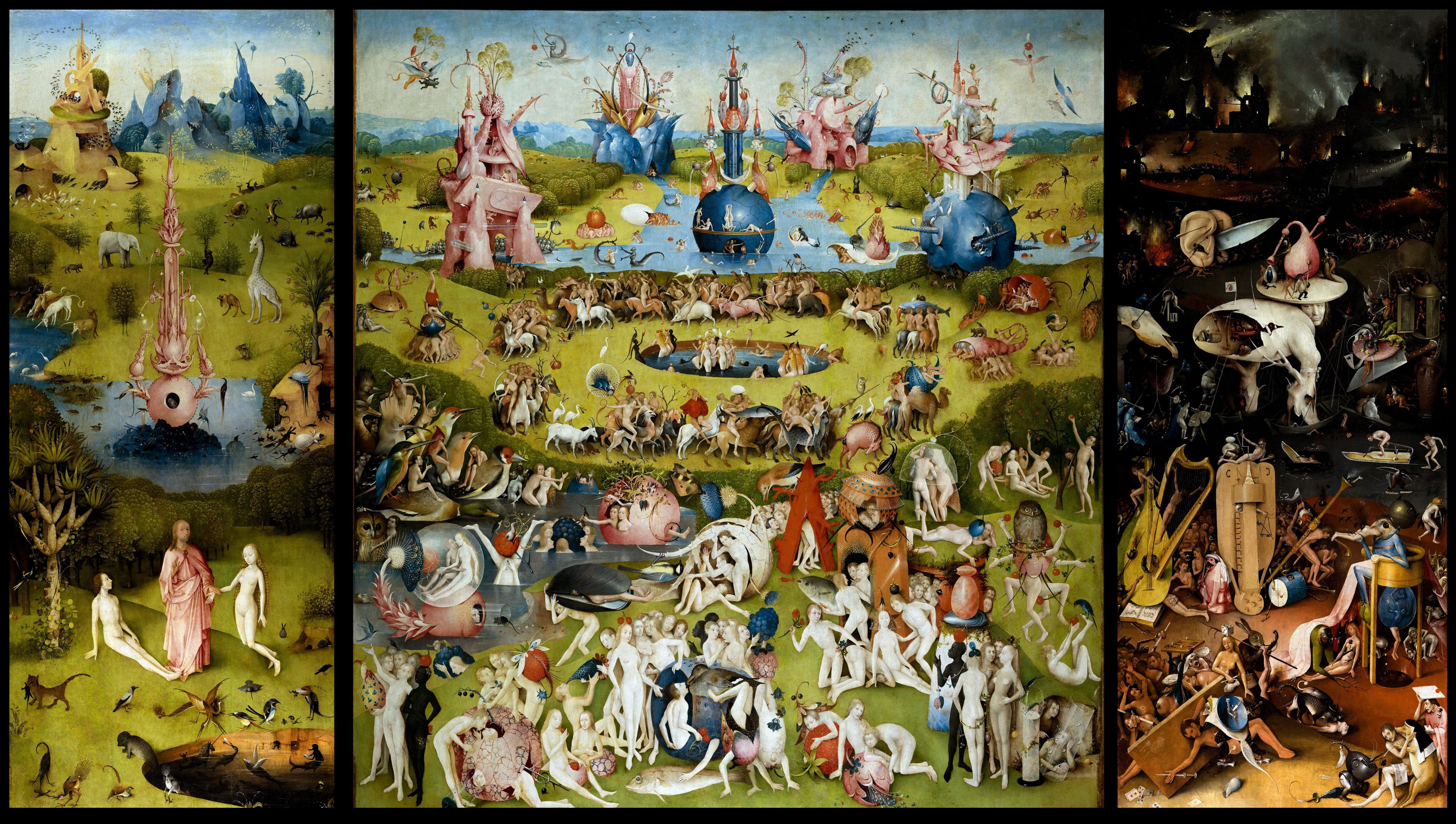
The Garden of Earthly Delights by Hieronymus Bosch …
GETTY IMAGES
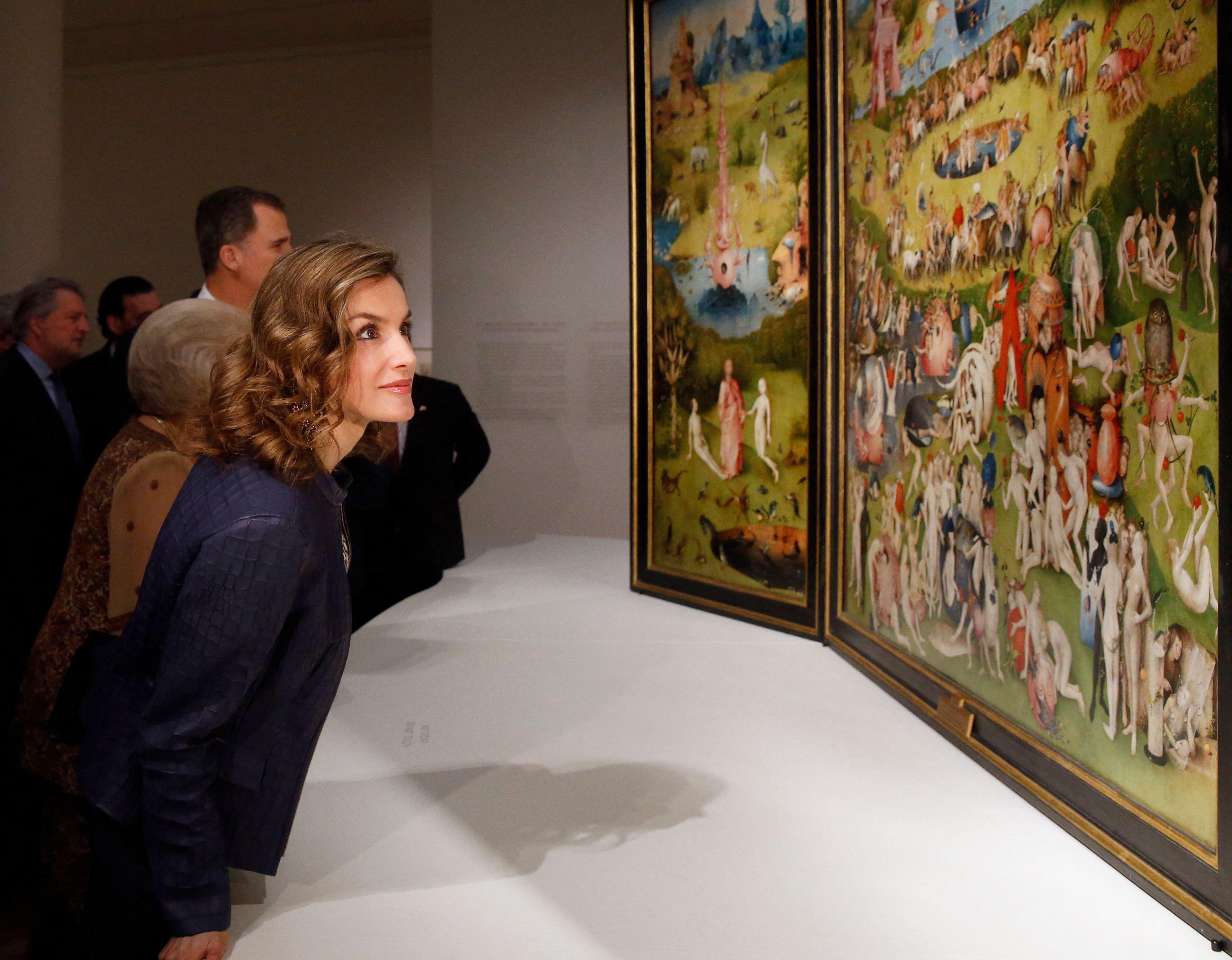
… receives a royal visit from Spain’s Queen Letizia in 2016
Such scenes have led Miguel Falomir, the Prado’s director, to call time on uncontrolled crowds and to curate the numbers flocking about the museum.
• King of Spain turns art critic for mystery masterpiece
“Visiting the museum cannot be like taking the underground at rush hour,” he has said. The Prado announced this week that it has started to take measures by reducing the maximum number of people per visitor group from 30 to 20.
It follows visitor numbers breaking records. Last year the figure reached 3.5 million, prompting Falomir to say that the museum was in danger of becoming “oversaturated”.
“The Prado does not need a single visitor more,” he said, pointing out that it did not want to become, like the Louvre, a victim of its success.
The aim of the new restriction, according to museum officials, is to ensure “a better quality of visit”. Group visits account for about a sixth of the museum’s total visitors, at a daily average of 1,609 people.
Among visitors and guides to the museum, the measure appeared to be mostly welcome. “I am glad they have reduced the group size. Art should be an intimate experience,” said Bradley Pettigrew, an American tour guide. “You shouldn’t be rushed through a museum like cattle.”
Pettigrew, who has given Prado tours for over three years, added: “Big groups push people out of galleries. The Garden of Earthly Delights is in a nightmare room. I have seen people pass out in there on about half a dozen occasions.”
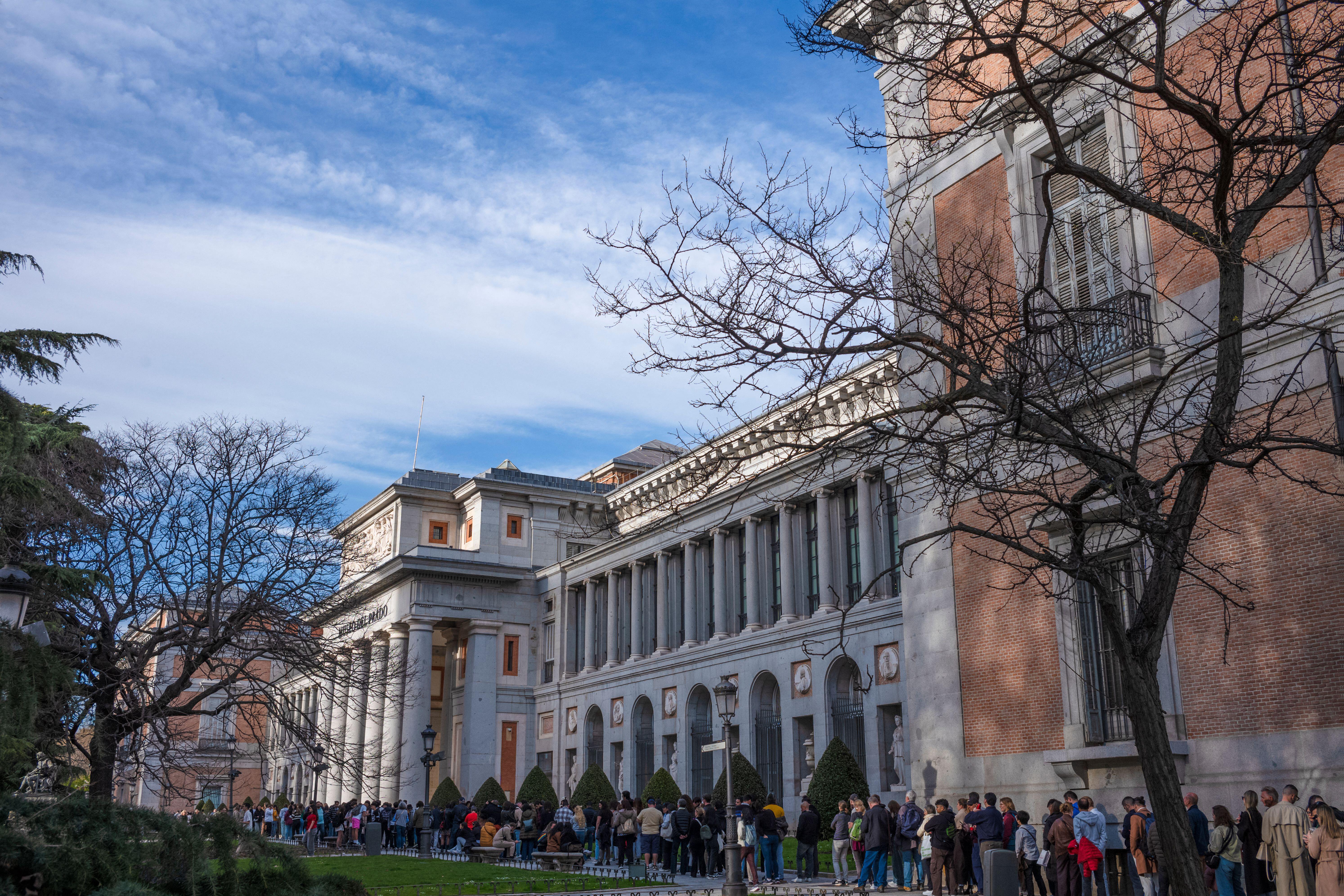
As part of this initial package of measures to ease the heavy flow of visitors, the museum has announced that “group visits will be scheduled for times of lower visitor numbers, and visitors will be encouraged to purchase general admission tickets online for direct entry to the museum” to prevent long queues outside.
“This provision will come into force immediately, although groups already booked up to June 1 will be accommodated,” the museum stated. The maximum group size for temporary exhibitions will remain at 15 people — although the possibility of reducing this remains open. “In the case of educational groups, the limit of 30 will also be maintained,” the museum announced.
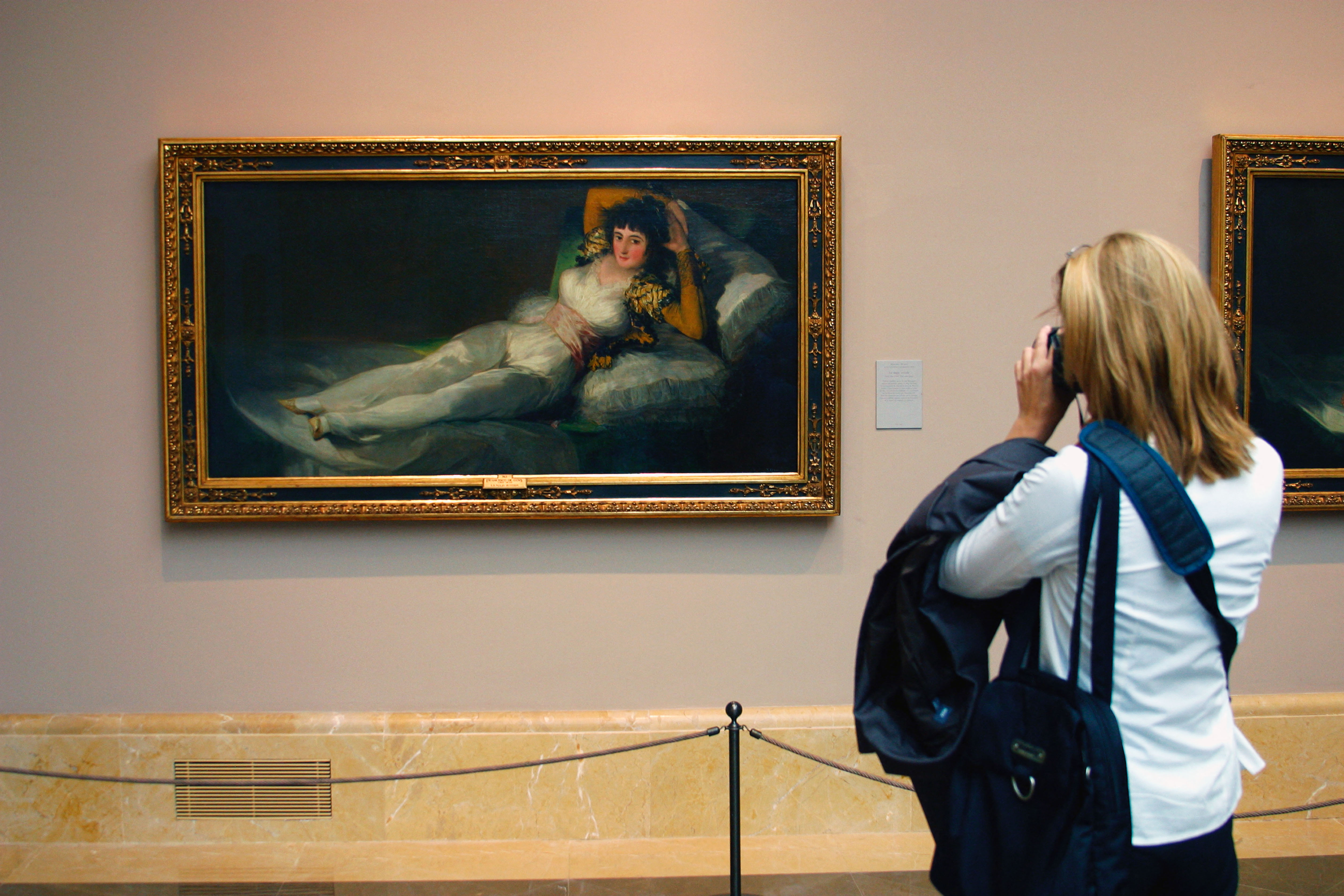
The Clothed Maja by Goya
ALAMY
In front of Goya’s The Clothed Maja, Claudia Yeste, who works for La Ardilla Rusa, a company that takes school groups on art tours, oversaw about 20 Spanish children seated on the floor, encouraging them to create newspaper reports based on the 19th-century artist’s works.
“The restriction seems positive and I am glad that they have maintained the 30 limit for school groups, but I hope it is flexible as we often work with classes with more than 30 pupils,” she said.
• Billionaires, secret deals, unmarked vans: how to stage an art blockbuster
“But what seems more important is that they should create more routes through the museum so that people don’t gather in groups in the same rooms.”
Falomir has said that his new plan will focus on managing how people move through the museum. Entrances, he added, would be optimised and existing rules — including the ban on taking photographs inside the galleries — more strictly enforced to prevent congestion and distractions in the exhibition spaces.
The exhibition space will be expanded by 2,500 sq m in 2028 with the opening of the Salón de Reinos, which will house its grand historical works.
Security staff in front of Bosch’s work viewed the new measures favourably. But one quipped: “It’s not the size of the group so much as their behaviour — for example some school groups are marvellous but others should be locked up in boarding schools.”
But much of its space remains free of group crushes. Alistair George, 81, from Ashbourne in Derbyshire, was on his way to see the museum’s Caravaggio paintings. “My son said to get here early because it gets very, very busy,” he said. “I shan’t rush. I’ve got four days to look at them.”