
By Rachel Clayton, ABC News
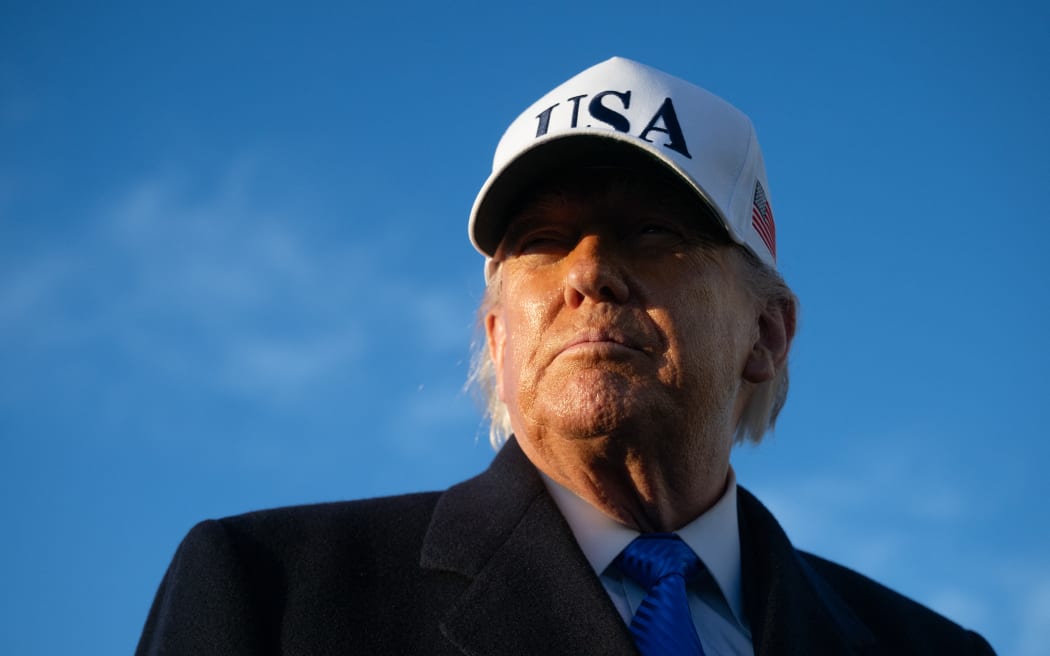
US President Donald Trump.
Photo: SAUL LOEB
Analysis: US President Donald Trump has already lost friends abroad; now he’s starting to lose them at home.
Overnight, National Counterterrorism Center director Joe Kent, a military veteran who was nominated to the role by Trump himself, resigned because “he could not in good conscience support the ongoing war in Iran”.
In his resignation letter, which he posted on social media, Kent wasted no time telling the president he was abandoning the principles that once defined him.
“Iran posed no imminent threat to our nation, and it is clear that we started this war due to pressure from Israel and its powerful American lobby,” Kent wrote.
He praised the president for his first term, saying Trump knew how to “decisively apply military power” without being pulled into the “trap” of “never-ending wars” that cost American lives.
The war with Iran, however, has changed that, he wrote. He accused the president of being deceived by Israel into striking Iran, and said the idea that the US was under imminent threat was “a lie”.
“I cannot support sending the next generation off to fight and die in a war that serves no benefit to the American people nor justifies the cost of American lives,” he wrote.
Trump has dismissed the dissent.
But Kent, the first senior government official to have resigned over the war in Iran, has joined a growing tide of anti-war voices that now extends past Trump’s once-faithful MAGA base.
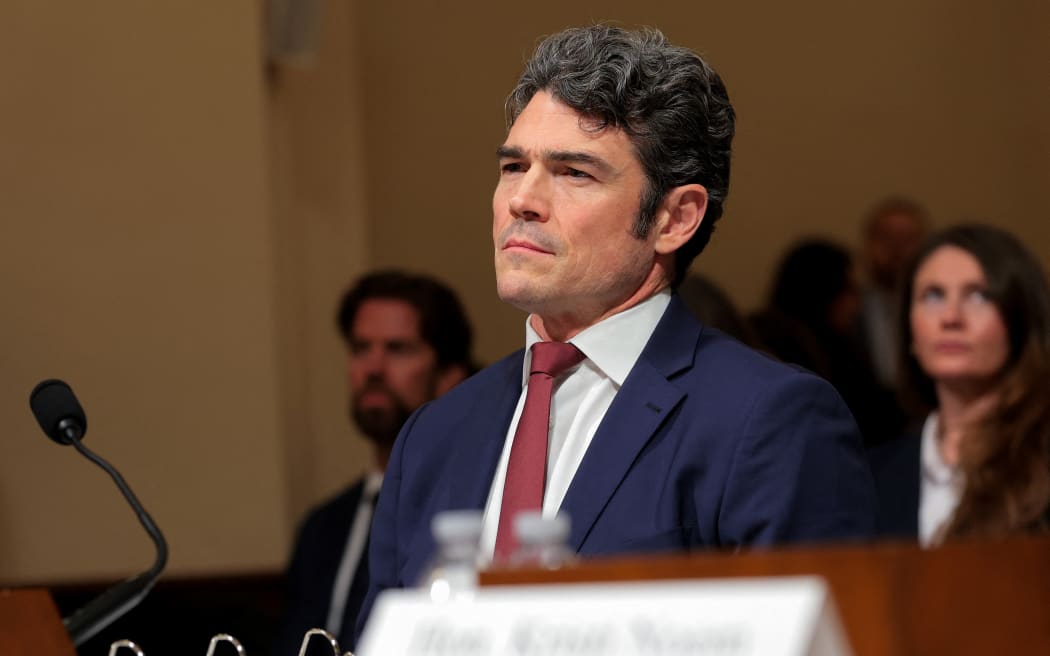
Joseph Kent.
Photo: ANNA MONEYMAKER / AFP
Dissent on the war extends beyond MAGA
Just a year ago, Trump nominated Kent to the role, describing him as a man who had “hunted down terrorists and criminals his entire adult life”.
Kent had served in the military for 20 years, including 11 deployments to Iraq. His wife, Shannon Kent, was killed in a suicide bombing in Syria in 2019.
After the counterterrorism director’s resignation, Trump told reporters in a packed Oval Office that he, in fact, always thought Kent was “weak on security”, and anyone who didn’t believe Iran was a threat was “not smart people”.
But Kent isn’t the only official distancing themselves from the Iran war.
Trump’s own vice-president has declined to fully endorse the war, and Tulsi Gabbard, his National Intelligence director, has also been tight-lipped about any outright endorsement of the war.
It’s a sentiment some allies abroad might echo – as frustration grows over the president’s demands for support in a war few are willing to join.
With rising oil prices, global hesitation, and now dissent from within his own ranks, the pressure on the president is mounting.
‘You’re the prime minister … make a decision’
America First is a powerful slogan – but it’s a far more complicated strategy when you don’t have many friends left to call on.
There was a not-so-veiled threat in Trump’s language this week, when he suggested he would “remember” which allies stepped up and which did not.
That matters because in his second term, this is a president increasingly preoccupied with legacy. And this war – both how it’s fought, and who stands beside him – could come to define it, potentially for the worse.
Trump’s rhetoric toward allies has helped rupture long-standing relationships, leaving him unusually isolated on the global stage as he escalates tensions with Iran.
He has dismissed NATO members as “delinquent”, and reportedly told Norway’s prime minister earlier this year that he no longer felt an obligation to think “purely of peace”.
After years of questioning the value of NATO, Trump now finds himself in an uncomfortable position, wanting its support.
In an hour-long press conference on Monday, he mocked and criticised allies, then asked for their help, before insisting he didn’t need any help at all.
But it was the details of a phone call with UK Prime Minister Sir Keir Starmer that, in a way, illustrated the widening gap between Trump and America’s traditional partners.
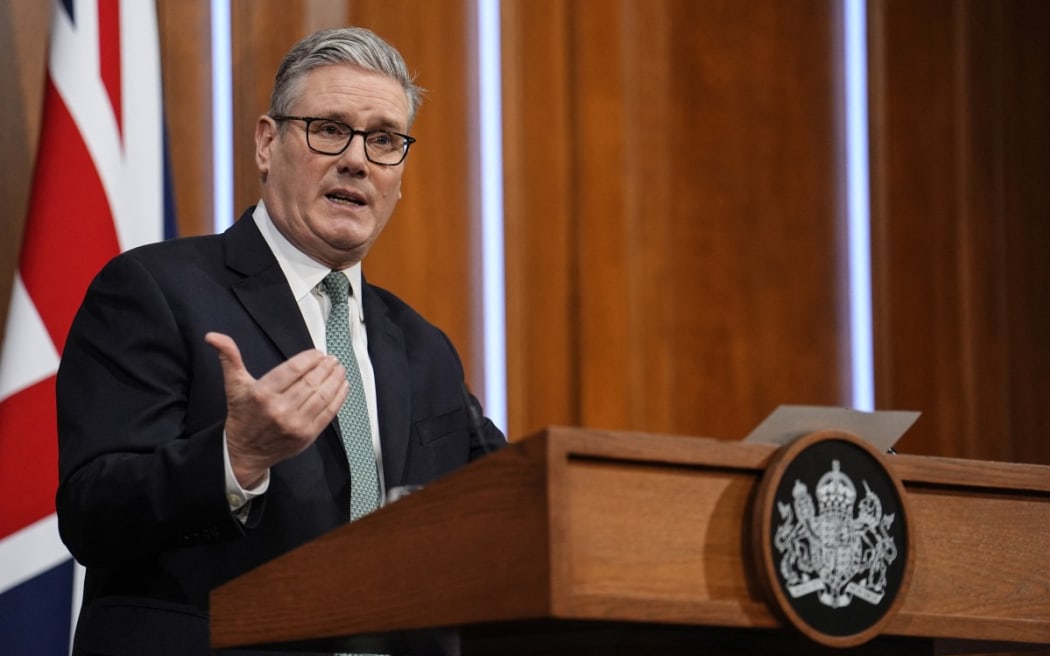
UK Prime Minister Sir Keir Starmer.
Photo: AFP / Jordan Pettitt
According to Trump, Starmer emphasised the need to “ask my team” before committing to any military action.
“I said … You’re the prime minister, you can make a decision,” Trump said.”You don’t have to speak to anybody.”
The exchange underscored not just a difference in policy, but a difference in political worldview. Western allies view diplomacy and consent as essential.
Trump appears to see them as optional.
Iran 2026 v Iraq 2003
There is a deep irony at play. For years, Trump has argued the world needs America more than America needs the world.
But now that appears to have flipped. Over the weekend, the president pressured allied nations to send warships to support US operations in the Gulf, although the response has been lukewarm at best.
It’s a far cry from the kind of coalition-building that preceded the Iraq War in 2003.
Back then, president George W Bush convinced Australia, Britain, Poland and Spain to back the US – even as others refused.
That effort involved consulting allies, preparing public opinion, and engaging Congress. He also later made a plea to the UN to help rebuild Iraq into a democracy.
Trump’s approach to Iran has been the opposite.
There was minimal consultation with allies beyond Israel and little warning to Europe or Gulf countries before launching attacks.
One of Trump’s biggest missteps appears to be that he assumed world leaders would fall in line. Some could almost forgive him for doing so.
The past year has seen the world basically bend the knee to the might of America; leaders have had to smile and nod and lavish praise on the president to negotiate lower tariffs, to persuade him to help with Russia-Ukraine negotiations, to get him to back off Greenland.
But joining a war is different, and so far at least, they have said no.
– ABC News